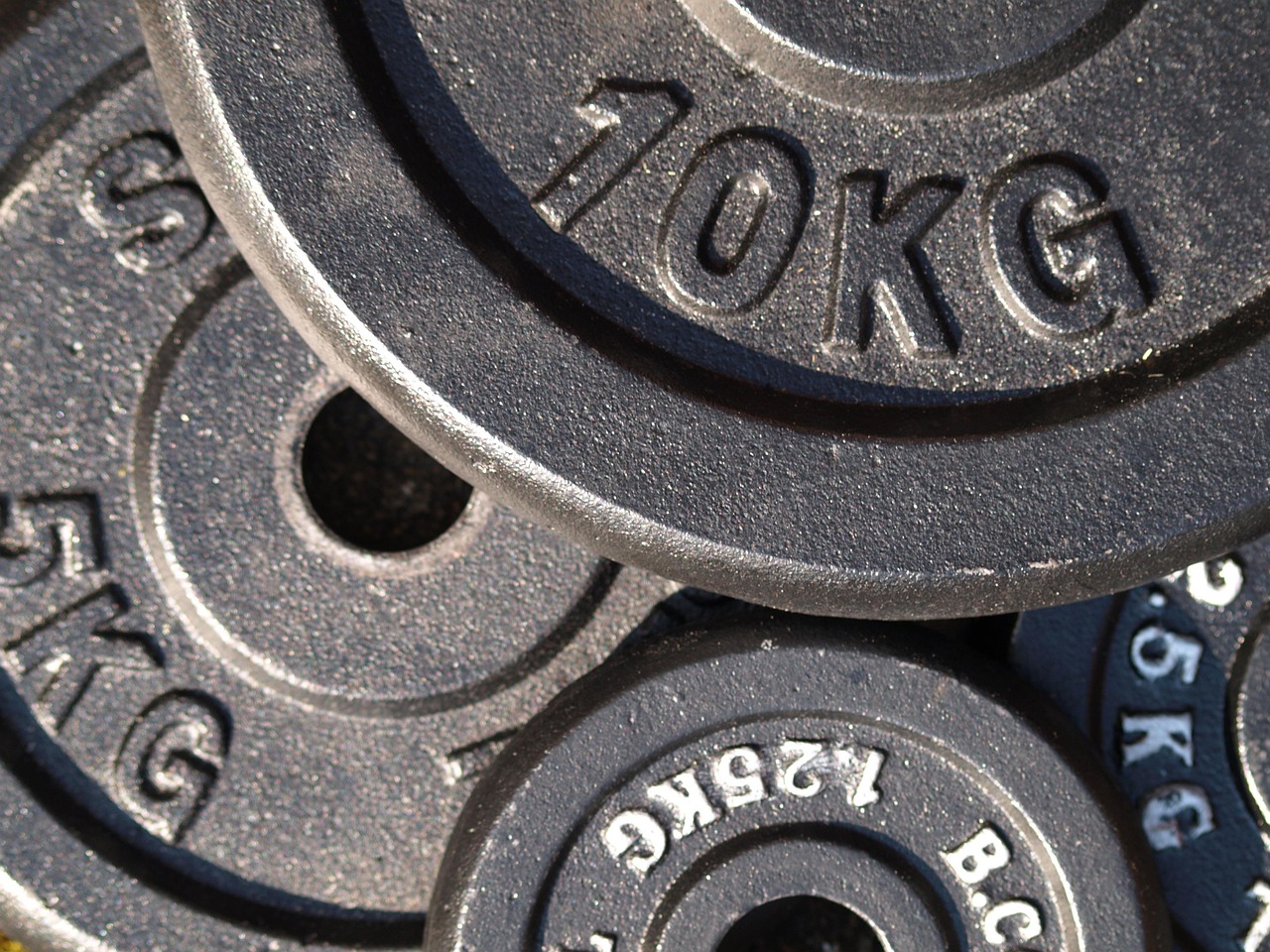

Strength training offers significant benefits at any age, but its importance amplifies considerably after 40. As we age, our bodies naturally experience changes such as muscle loss (sarcopenia), decreased bone density, and slower recovery. A well-structured strength training program, specifically tailored to account for these physiological shifts, can effectively counteract these processes. This guide focuses on the fundamental parameters of reps, sets, and rest, explaining how to optimize them for effective and sustainable strength training after 40. Understanding these elements is crucial for building muscle, improving strength, and preserving functional independence as you age.
How Strength Training Changes After 40 (and What to Do)
The way our bodies respond to exercise shifts as we move past 40. While the fundamental principles of progressive overload still apply, certain physiological changes necessitate a more considered approach.
One primary factor is a slower recovery rate. Muscle protein synthesis, the process by which muscles repair and grow, tends to decrease with age. This means your body might need more time between challenging workouts to fully recover and adapt. Ignoring this can lead to overtraining, increased injury risk, and stalled progress.
Another key consideration is the potential for accumulated wear and tear on joints and connective tissues. Decades of activity, or even inactivity, can mean that certain movements or heavy loads need to be approached with greater caution and proper form. Joint health becomes paramount, influencing exercise selection and load progression.
Hormonal changes also play a role. Testosterone and growth hormone levels, which are critical for muscle building and recovery, generally decline with age. This doesn’t mean building muscle is impossible; rather, it often requires more consistent effort and a focus on optimal training stimuli and recovery strategies.
What to Do:
- Prioritize Form Over Load: Before increasing weight, ensure your exercise technique is impeccable. Poor form, especially with heavier loads, significantly increases injury risk.
- Embrace Slower Progression: Don’t rush to add weight or reps. Listen to your body and make gradual increases. A slower, more sustainable progression prevents setbacks.
- Focus on Compound Movements: Exercises like squats, deadlifts (or variations), presses, and rows engage multiple muscle groups and joints, offering maximum benefit for time invested and promoting functional strength.
- Incorporate Mobility and Stability Work: Address any existing mobility limitations or stability weaknesses. This could include dynamic stretches, foam rolling, or specific corrective exercises to support joint health and movement quality.
Building Muscle After 40
Building muscle after 40, often referred to as hypertrophy training, is not only achievable but essential for combating sarcopenia. The principles remain similar to younger lifters, but the execution requires nuance.
For muscle growth, the general consensus points to a sufficient volume of work that challenges the muscle fibers. This typically involves a combination of mechanical tension (lifting heavy enough weight), muscle damage (micro-tears in muscle tissue), and metabolic stress (the “burn” from accumulating byproducts during exercise).
While there’s a broad range for effective muscle growth, studies suggest that lifting loads between 30% and 85% of your one-repetition maximum (1RM) can stimulate hypertrophy, provided you lift close to muscular failure. For individuals over 40, leaning towards slightly higher rep ranges with controlled movements can often be safer and more effective for consistent progress, minimizing stress on joints while still providing adequate stimulus.
Practical Application:
- Rep Range: Aim for 8-15 repetitions per set. This range allows for moderate loads that provide good mechanical tension and metabolic stress without excessive joint strain.
- Sets: Typically 2-4 working sets per exercise. The total number of sets per muscle group per week is more critical than per session. A good starting point is 10-20 hard sets per muscle group per week, spread across two or more workouts.
- Progression: Once you can comfortably hit the upper end of your target rep range (e.g., 15 reps) with good form, increase the weight slightly and work your way back up. This is known as double progression.
7 Rules to Fix Your Strength Training After 40
To optimize your strength training and mitigate age-related challenges, consider these seven guiding principles:
- Prioritize Recovery: This isn’t just about rest days; it includes sleep quality, nutrition, and stress management. After 40, recovery often becomes the rate-limiting factor for progress.
- Focus on Joint Health: Integrate warm-ups that prepare your joints, choose exercises that feel good, and don’t be afraid to modify movements if they cause discomfort. Avoid ego lifting.
- Embrace Progressive Overload, Smartly: Continuously challenge your muscles, but do so gradually. This could mean adding a small amount of weight, an extra rep, or improving your form.
- Listen to Your Body: Differentiate between muscle soreness and joint pain. If something hurts in a bad way, stop. Don’t push through pain that feels sharp or structural.
- Vary Your Training Stimulus: Periodically change exercises, rep ranges, or training intensity to keep your body adapting and prevent plateaus. This also helps distribute stress across different joints and movement patterns.
- Maintain Consistency: Regular, even if less intense, training is far more effective than sporadic, high-intensity bursts. Consistency builds habits and provides continuous stimulus.
- Nutrition and Hydration are Key: Support your training with adequate protein intake (essential for muscle repair and growth), healthy fats, complex carbohydrates, and plenty of water.
10 Golden Rules to Weight Training for Over 40s
Expanding on the previous rules, these ten principles offer a comprehensive framework for effective weight training in your 40s and beyond:
- Warm-Up Thoroughly: Dedicate 5-10 minutes to light cardio and dynamic stretches to prepare your muscles and joints for the workout.
- Master Form First: Before increasing weight, ensure perfect execution of each exercise. Bad form with heavy weights is a recipe for injury.
- Focus on Compound Movements: Prioritize exercises that work multiple muscle groups simultaneously (squats, deadlifts, presses, rows, lunges). These are efficient and build functional strength.
- Include Isolation Work Strategically: Once compound movements are covered, add isolation exercises (bicep curls, triceps extensions, lateral raises) to target specific muscles or address imbalances.
- Emphasize Strength and Hypertrophy: Aim for a balance of rep ranges that build both strength (lower reps, higher weight) and muscle size (moderate reps, moderate weight).
- Prioritize Recovery: As mentioned, this is non-negotiable. Quality sleep, proper nutrition, and adequate rest days are crucial.
- Incorporate Deload Weeks: Every 6-12 weeks, reduce your training volume and/or intensity significantly for a week. This allows your body to fully recover and prevents burnout.
- Don’t Neglect Mobility and Flexibility: Regularly include stretching, foam rolling, or yoga to maintain range of motion and prevent stiffness.
- Hydrate Adequately: Water is vital for muscle function, joint lubrication, and overall health.
- Listen to Your Body and Adapt: Your body will tell you what it needs. Be flexible with your plan, adjust based on how you feel, and don’t be afraid to take an extra rest day.
After 40, Training Must Evolve. Go Heavier in the Five to…
The idea that training must evolve after 40 is accurate, but the recommendation to simply “go heavier in the five to…” (implying lower rep ranges) needs context. While strength training with heavier loads (e.g., 5-8 reps) is excellent for building maximal strength and bone density, it must be approached carefully after 40.
The Benefits of Heavier Lifting:
- Increased Strength: Lower rep ranges with heavier weights are the most effective way to build raw strength.
- Bone Density: High-intensity resistance training is a powerful stimulus for improving bone mineral density, crucial for preventing osteoporosis.
- Neuromuscular Efficiency: Training with heavier loads improves the nervous system’s ability to recruit muscle fibers.
The Considerations for Heavier Lifting After 40:
- Joint Stress: Heavier loads place greater stress on joints, ligaments, and tendons. Existing joint issues can be exacerbated.
- Recovery Demands: Maximal strength training is very taxing on the central nervous system and requires more extensive recovery.
- Injury Risk: Poor form with heavy weights significantly increases the risk of acute injury.
How to Incorporate Heavier Lifting Safely:
- Master Form First: This cannot be overstressed. If your form breaks down at a certain weight, it’s too heavy.
- Gradual Progression: Add weight in small increments. Don’t jump to a significantly heavier load.
- Strategic Placement: Don’t do heavy lifting every session. You might dedicate one workout to heavier, lower-rep work and another to moderate-rep hypertrophy work.
- Adequate Warm-up: A thorough warm-up, including specific warm-up sets with lighter weights, is crucial before attempting heavy lifts.
- Listen to Your Body: If a heavy lift feels “off” or causes pain, back off the weight. There will always be another day.
Instead of a blanket “go heavier,” a more nuanced approach for those over 40 involves strategically incorporating heavier loads for a few sets on core compound movements, while maintaining a higher volume in moderate rep ranges for overall muscle development and joint health.
How Many Reps to Add and When, as a 40-Year-Old
The concept of progressive overload is fundamental to all strength training, regardless of age. It means continually challenging your muscles to adapt by gradually increasing the demands placed upon them. For someone over 40, the “when” and “how much” to add reps (or weight) becomes more about intelligent, sustainable progression than rapid gains.
Understanding Rep Ranges and Goals:
| Goal | Reps Per Set | % of 1RM (approx.) | Primary Benefit |
|---|---|---|---|
| Strength | 1-6 | 85-100% | Maximal force production, neural adaptations |
| Hypertrophy | 8-15 | 60-80% | Muscle growth, metabolic stress |
| Endurance | 15-20+ | <60% | Muscular stamina, cardiovascular conditioning |
For most individuals over 40, a focus on hypertrophy (muscle growth) and general strength is ideal, making the 8-15 rep range a versatile and safe sweet spot.
When to Add Reps:
Use a “rep range” approach. Instead of aiming for a fixed number of reps, aim for a range (e.g., 8-12 reps).
- When you can consistently hit the top of your target rep range with good form: If you’re aiming for 8-12 reps, and you can comfortably perform 12 reps on your last working set for two consecutive workouts, it’s time to increase the weight.
- When the exercise no longer feels challenging: If you’re not feeling a significant effort (close to muscular failure) by the end of your set, it’s time to increase the resistance.
How Many Reps to Add:
You don’t “add reps” indefinitely. Instead, you use the ability to hit the upper end of your rep range as a trigger to increase the weight. When you increase the weight, your reps will naturally drop. Then, you work on building those reps back up within your target range.
Example of Double Progression:
Let’s say your goal is 3 sets of 8-12 reps for squats.
- Workout 1: You perform 3 sets of 10 reps with 100 lbs.
- Workout 2: You perform 3 sets of 11 reps with 100 lbs. A more grounded way to view this You perform 3 sets of 12 reps with 100 lbs. (You’ve hit the top of your range for all sets)
- Workout 4: Increase the weight slightly (e.g., to 105 lbs). You might now only be able to perform 3 sets of 9-10 reps.
- Subsequent Workouts: Continue working to build your reps back up to 12 with 105 lbs before increasing weight again.
This systematic approach ensures continuous progress without drastically increasing injury risk. Sometimes, adding just one more rep with good form is a significant victory.
FAQs
How often should a 40-year-old lift weights?
For optimal results and recovery, most 40-year-olds benefit from lifting weights 2-4 times per week. This allows sufficient time for muscle groups to recover and adapt between sessions. A full-body workout 2-3 times a week, or a split routine (e.g., upper/lower, push/pull/legs) 3-4 times a week, are common and effective approaches. The key is consistency and ensuring adequate rest between training sessions for the same muscle groups.
What is the 3-3-3 rule in gym?
The “3-3-3 rule” is not a universally recognized or scientifically established training principle in strength and conditioning. It’s possible it refers to a specific program or a misinterpretation. However, if interpreted as a structure, it might imply:
- 3 exercises: Focusing on a small number of compound movements.
- 3 sets: A moderate number of sets for each exercise.
- 3 reps: A very low rep range, indicating very heavy lifting for maximal strength.
If this interpretation is correct, it would be a highly specialized strength protocol, not suitable for general muscle building or for beginners, especially those over 40, without a strong foundation and meticulous attention to form and recovery. For general fitness and muscle growth after 40, a higher rep range (8-15) is generally recommended for the majority of your training.
Can I lift weights while taking Zepbound?
Zepbound (tirzepatide) is a medication primarily prescribed for weight management. While taking Zepbound, it’s generally recommended to incorporate resistance training. Weight loss, especially significant weight loss, can lead to muscle loss alongside fat loss. Strength training helps preserve and even build muscle mass, which is crucial for maintaining metabolic rate and functional strength.
However, any exercise program, especially when combined with medication, should be discussed with your doctor. They can provide personalized advice based on your health status, any potential side effects of the medication, and your overall fitness goals. It’s important to start slowly, listen to your body, and ensure adequate nutrition to support both weight loss and muscle building efforts.
Conclusion
Navigating strength training after 40 requires an informed approach to reps, sets, and rest. The physiological changes that occur with age demand a greater emphasis on smart progression, meticulous form, and prioritized recovery. By understanding how to manipulate these workout parameters – embracing moderate rep ranges for hypertrophy, strategically incorporating heavier loads for strength, and ensuring ample rest – you can build an effective and sustainable blueprint. This isn’t about slowing down; it’s about training smarter, preserving your body, and continuing to build strength and resilience for years to come. Consistency, patience, and listening to your body will be your most valuable tools in this journey.