Focusing solely on the number on a bathroom scale can be misleading when pursuing health goals. While weight is a factor, it doesn’t tell the whole story about what’s happening inside your body. Body composition, which describes the proportion of fat mass to lean mass (muscle, bone, and water), offers a far more accurate picture of health and progress, especially when aiming for healthy weight loss. Understanding your body composition shifts the focus from simply losing “pounds” to strategically changing your body’s make-up for better well-being.
Body Composition Changes in Weight Loss: Strategies and Implications
When you embark on a weight loss journey, your body’s composition inevitably changes. The ideal scenario for healthy weight loss involves reducing fat mass while preserving or even increasing lean mass. This isn’t always straightforward. Traditional dieting, especially those involving severe calorie restriction without adequate protein or strength training, can lead to a significant loss of muscle alongside fat.
Consider two individuals who each lose 20 pounds. Person A achieves this through consistent calorie deficit, resistance training, and sufficient protein intake. Their 20-pound loss might consist of 18 pounds of fat and 2 pounds of muscle. Person B, however, relies solely on severe calorie restriction and cardiovascular exercise. Their 20-pound loss might be 10 pounds of fat and 10 pounds of muscle. While both weigh 20 pounds less, Person A has a healthier body composition, maintaining more metabolically active muscle tissue. This difference impacts long-term metabolism, strength, and overall health. Strategies for preserving lean mass during weight loss typically include:
- Adequate Protein Intake: Protein is crucial for muscle repair and growth. During a calorie deficit, ensuring you consume enough protein helps signal your body to retain muscle.
- Resistance Training: Lifting weights or performing bodyweight exercises stimulates muscle tissue, encouraging your body to keep it rather than break it down for energy.
- Moderate Calorie Deficit: An overly aggressive calorie deficit can accelerate muscle loss. A sustainable, moderate deficit allows for fat loss while minimizing muscle atrophy.
The trade-off often lies in the speed of weight loss. Rapid weight loss programs might show impressive numbers on the scale but often come at the expense of lean mass. A slower, more deliberate approach that prioritizes body composition changes tends to be more sustainable and beneficial for overall health.
Want to Lose Weight? Pay Attention to Body Composition
The mirror and the scale offer limited feedback. Paying attention to body composition provides actionable insights. For example, two people can be the same height and weight, yet have vastly different body shapes and health risks due to their body composition. Someone with a higher percentage of body fat, even at a seemingly “normal” weight, may face increased risks for metabolic diseases, often referred to as “skinny fat.” Conversely, a muscular individual might weigh more than average for their height but have a low body fat percentage and excellent health markers.
Understanding this distinction helps set more appropriate goals. Instead of aiming for a specific number on the scale, the focus shifts to reducing body fat percentage and, in many cases, increasing muscle mass. This might mean that the scale doesn’t move as quickly, or even at all, if you’re simultaneously gaining muscle and losing fat. This can be frustrating if you’re only tracking weight, but a positive sign if you’re tracking body composition.
For instance, if someone begins a strength training program and a balanced nutrition plan, they might initially see a slow decrease in weight, or even a slight increase, as muscle is denser than fat. However, their clothes might fit better, their strength improves, and their energy levels rise. These are indicators of positive body composition changes that the scale alone would miss.
Body Composition: Health and Body Fat
Body fat isn’t inherently bad; it’s essential for insulating organs, storing energy, and producing hormones. However, too much body fat, particularly visceral fat (fat stored around abdominal organs), is linked to a higher risk of chronic conditions such as type 2 diabetes, heart disease, certain cancers, and sleep apnea.
Fat Mass vs. Lean Mass
| Component | Description | Role in Health |
|---|---|---|
| Fat Mass | Adipose tissue, including essential and storage fat. | Energy storage, hormone production, insulation. |
| Lean Mass | All non-fat components: muscle, bone, water, organs. | Metabolism, strength, mobility, structural support, hydration. |
The proportion of these two components, rather than total weight, is a stronger predictor of health outcomes. For example, a healthy body fat percentage for adult men generally falls between 10-20%, while for adult women, it’s typically 20-30%. These ranges can vary based on age, genetics, and activity levels.
Body Fat Percentage in Older Adults
As people age, there’s a natural tendency to lose muscle mass (sarcopenia) and gain fat mass, even if body weight remains stable. This shift can impact strength, mobility, and metabolic health. For older adults, maintaining or building muscle mass becomes even more critical for independence and quality of life. A healthy body fat percentage for older adults might be slightly higher than for younger adults due to these physiological changes, but the principles of minimizing excess fat and preserving muscle remain vital. Regular resistance training and adequate protein intake are crucial interventions to mitigate age-related body composition changes.
All About Body Composition
Body composition can be assessed using various methods, each with its own level of accuracy, cost, and accessibility. Understanding these methods helps in choosing the right tool for tracking progress.
Common Body Composition Assessment Methods:
| Method | How it Works | Pros | Cons |
|---|---|---|---|
| DEXA Scan (Dual-energy X-ray Absorptiometry) | Uses low-dose X-rays to differentiate between bone, lean tissue, and fat. Provides regional breakdown. | Highly accurate, detailed regional data, bone density measurement. | More expensive, requires specialized equipment, involves minimal radiation exposure. |
| Hydrostatic Weighing (Underwater Weighing) | Measures body density by submerging the individual in water. Body fat is less dense than lean mass. | Very accurate (historically considered gold standard). | Inconvenient, requires special equipment, uncomfortable for some, results affected by lung volume. |
| Air Displacement Plethysmography (Bod Pod) | Measures body volume by assessing air displacement in a sealed chamber. | Relatively accurate, less invasive than hydrostatic weighing. | Requires specialized equipment, can be expensive. |
| Bioelectrical Impedance Analysis (BIA) | Sends a low electrical current through the body. Fat impedes the current more than lean tissue (water). | Convenient, relatively inexpensive, easy to use. | Accuracy varies greatly by device quality, hydration levels, food intake, skin temperature. |
| Skinfold Calipers | Measures the thickness of subcutaneous fat at specific body sites (e.g., triceps, abdomen, thigh). | Inexpensive, portable, can be done anywhere. | Highly dependent on technician skill, less accurate for those with very high or very low body fat. |
| Waist-to-Hip Ratio / Waist Circumference | Simple measurement using a tape measure. Indicates central adiposity. | Very simple, inexpensive, good indicator of visceral fat risk. | Doesn’t measure overall body fat percentage, only distribution. |
DEXA Scan Interpretation
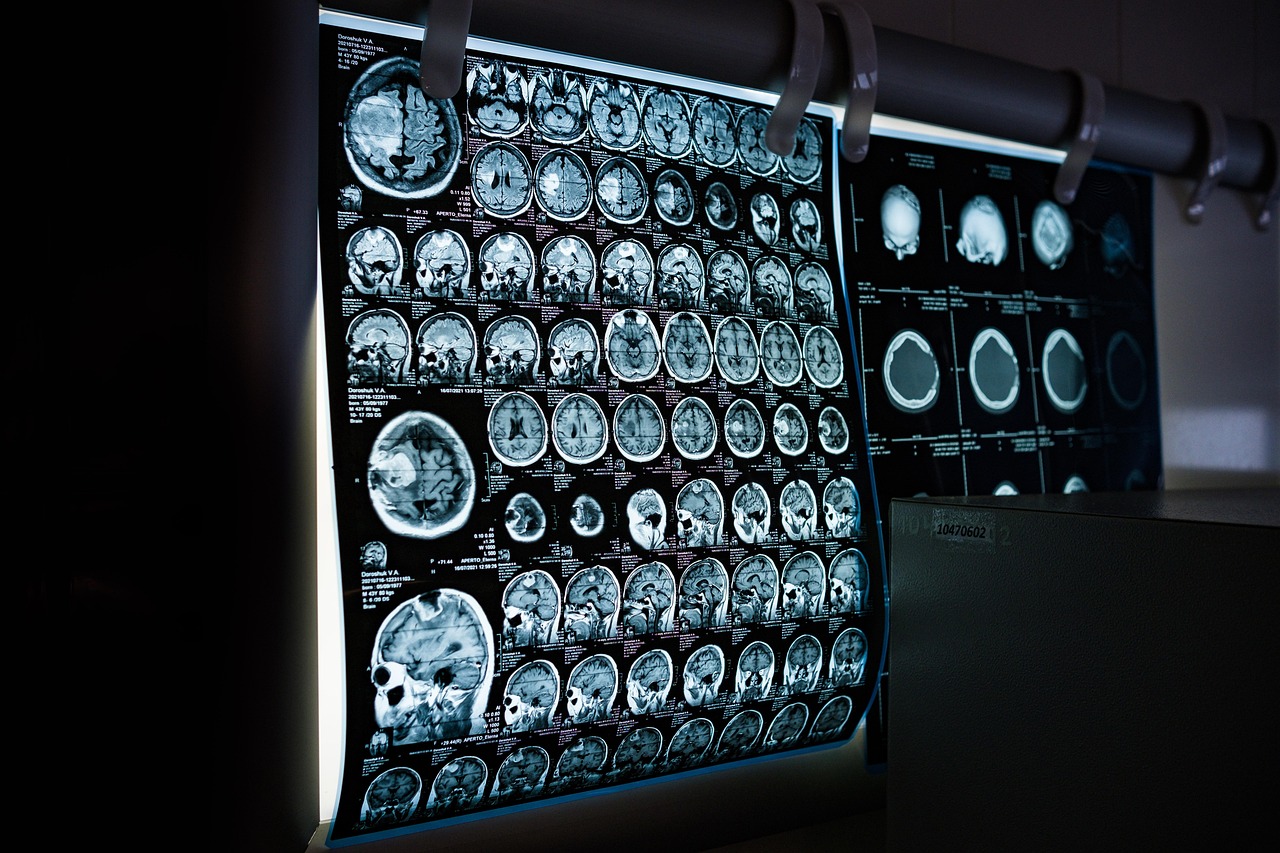
A DEXA scan provides a detailed report including total body fat percentage, lean mass, bone mineral density, and often a breakdown of these components by body region (e.g., arms, legs, trunk). When interpreting a DEXA scan for healthy weight loss, look beyond just the overall body fat percentage. Pay attention to:
- Changes in lean mass: Is your lean mass stable or increasing? This is a good sign during weight loss.
- Changes in fat mass: Is your fat mass decreasing, especially in the trunk region? This indicates successful fat loss.
- Bone density: While not directly related to weight loss, it’s an important health marker that DEXA provides.
For example, if a follow-up DEXA scan shows a 5% decrease in body fat percentage and a 2-pound increase in lean mass, even if the scale only dropped by 3 pounds, it signifies significant progress toward a healthier body composition.
Healthy Weight Loss: Why Body Composition Analysis Is Essential
The limitations of the bathroom scale become apparent when considering healthy weight management. Weight fluctuations can be due to hydration status, bowel contents, or hormonal changes, not just fat or muscle. Body composition analysis helps in several ways:
- Setting Realistic Goals: Instead of an arbitrary weight target, you can aim for a specific body fat percentage or an increase in muscle mass.
- Monitoring Progress Accurately: It allows you to see if your efforts are leading to fat loss and muscle preservation, rather than just “weight” loss. This can be highly motivating.
- Tailoring Strategies: If an assessment shows you’re losing too much muscle, you can adjust your diet to increase protein or modify your exercise routine to incorporate more resistance training.
- Identifying Health Risks: A high body fat percentage, even at a normal weight, can highlight potential health risks that might otherwise go unnoticed.
- Sustaining Motivation: Seeing positive changes in body composition, even when the scale is stagnant, provides valuable feedback and encourages adherence to healthy habits.
Consider someone who has been exercising consistently and eating well but hasn’t seen the scale move much. A body composition analysis reveals they’ve lost 5 pounds of fat and gained 5 pounds of muscle. This information validates their efforts and motivates them to continue, whereas the scale alone might have led to discouragement.
Forget Weight. Body Composition Gives a Better Look at Health
The traditional focus on Body Mass Index (BMI) and overall weight has significant limitations. BMI, calculated from height and weight, doesn’t account for body composition. A professional athlete with a lot of muscle might be classified as “overweight” or “obese” by BMI standards, while a sedentary individual with high body fat and low muscle mass could fall within a “normal” BMI range.
Tracking muscle mass is particularly important for long-term health and functional capacity. Muscle is metabolically active tissue, meaning it burns more calories at rest than fat. A higher muscle mass can contribute to a higher resting metabolic rate, making it easier to manage weight in the long run. Beyond metabolism, muscle mass is directly linked to strength, balance, and mobility, which are crucial for preventing falls and maintaining independence, especially as we age.
Integrating body composition into your health assessment provides a holistic view. It shifts the focus from a single, often misleading, number to a more detailed understanding of your internal makeup. This perspective empowers individuals to make informed choices about nutrition and exercise that genuinely support their health and well-being, rather than chasing a number on the scale that may not reflect true progress.
Frequently Asked Questions
What is the 3-3-3 rule for losing weight?
There isn’t a universally recognized “3-3-3 rule” for weight loss in the scientific or nutritional community. Such rules are often anecdotal or part of specific diet plans. If you encounter a “3-3-3 rule,” it’s important to understand its context and whether it’s supported by evidence, as many quick-fix rules can be overly simplistic and unsustainable for healthy weight loss.
Is 20% body fat chubby?
For adult males, a body fat percentage of 20% is generally considered to be in the “acceptable” or “average” range, not typically “chubby.” For adult females, 20% body fat is often considered quite lean, falling into the “athletic” or “fitness” category, and definitely not “chubby.” Perceptions of “chubby” are subjective and vary, but from a health and fitness standpoint, 20% body fat is usually within or below healthy ranges, especially for women.
Does 10 lbs of fat look like 10 lbs of muscle?
No, 10 pounds of fat looks significantly different from 10 pounds of muscle. Muscle is much denser and more compact than fat. Imagine a 10-pound bag of feathers versus a 10-pound bowling ball – both weigh 10 pounds, but their volume and appearance are vastly different. Similarly, 10 pounds of muscle will occupy much less space on your body than 10 pounds of fat, contributing to a leaner, more toned physique. This is why body composition is a better indicator of physical change than weight alone.
Conclusion
Moving beyond the bathroom scale to understand body composition is a fundamental shift for anyone pursuing healthy weight loss and overall well-being. By focusing on the balance between fat mass and lean mass, individuals gain a more accurate and empowering perspective on their health journey. This approach allows for more informed decisions about nutrition, exercise, and lifestyle, leading to sustainable changes that improve not just appearance, but also metabolic health, strength, and longevity. Ultimately, healthy weight management isn’t just about losing pounds; it’s about optimizing the body’s internal makeup for a healthier, more functional life.