
As adults move past 40, the body’s needs shift. Maintaining muscle mass and strength becomes a more active process, largely influenced by dietary protein. This isn’t about becoming a bodybuilder; it’s about preserving mobility, supporting metabolism, and maintaining overall health. Understanding which protein-rich foods best support these goals, especially as we age, is a practical step towards a healthier future.
What Are the Best Sources of Protein? Here’s What to Know
Protein is fundamental for virtually every bodily function, from repairing tissues to producing enzymes and hormones. For adults over 40, its role in preventing sarcopenia – the age-related loss of muscle mass and strength – becomes particularly critical. Not all protein sources are created equal, however. The “best” sources generally refer to those that are complete proteins, meaning they contain all nine essential amino acids our bodies cannot produce on their own. These are often animal-based, but certain plant combinations can also provide a complete amino acid profile.
Practical implications involve not just what you eat, but how much and when. Spreading protein intake throughout the day, rather than consuming a large amount in one sitting, can optimize muscle protein synthesis. For instance, aiming for 25-30 grams of protein per meal is a common recommendation, though individual needs vary based on activity level, health status, and body weight. A sedentary individual over 40 might need around 0.8 to 1.0 grams of protein per kilogram of body weight daily, while someone regularly active might benefit from 1.2 to 1.6 grams per kilogram.
Consider a scenario: a 65-year-old active individual weighs 70 kg. At 1.2 g/kg, they’d aim for 84 grams of protein daily. If they distribute this across three meals, that’s 28 grams per meal. This isn’t an arbitrary number; it’s often cited as the threshold needed to stimulate muscle protein synthesis effectively in older adults.
Best High Protein Foods for Older Adults
When selecting protein sources, variety is key to ensuring a broad spectrum of nutrients. Beyond just protein, many of these foods offer essential vitamins, minerals, and healthy fats that support overall well-being.
- Lean Meats: Chicken breast, turkey, and lean cuts of beef (like sirloin or round) are excellent sources of complete protein. They also provide iron and B vitamins. Opting for skinless poultry can reduce saturated fat intake.
- Fish: Fatty fish such as salmon, mackerel, and sardines are not only rich in protein but also provide omega-3 fatty acids, which are beneficial for heart and brain health, and can help reduce inflammation. Cod and tuna are also good choices for protein with less fat.
- Eggs: Often called nature’s perfect protein, eggs are inexpensive and versatile. One large egg contains about 6 grams of high-quality protein, along with choline and vitamin D. They can be incorporated into any meal.
- Dairy Products: Greek yogurt, cottage cheese, and milk are packed with protein and calcium, which is crucial for bone health, especially important for older adults. Greek yogurt, in particular, offers a higher protein content than regular yogurt.
- Legumes: Lentils, beans (black, kidney, chickpeas), and peas are plant-based powerhouses. They provide protein, fiber, and a host of micronutrients. While not complete proteins on their own, combining them with grains (like rice or whole-wheat bread) throughout the day ensures all essential amino acids are consumed.
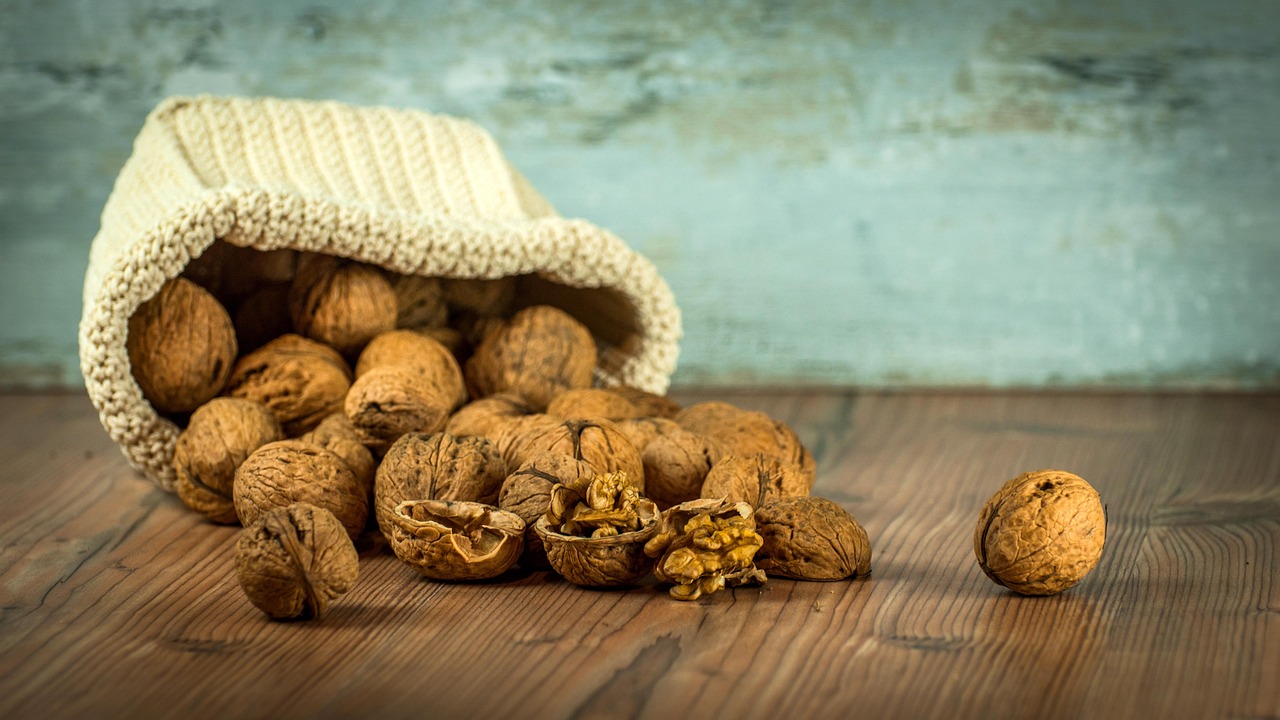
- Nuts and Seeds: Almonds, walnuts, chia seeds, flax seeds, and pumpkin seeds offer protein, healthy fats, and fiber. They make excellent snacks or additions to meals.
- Tofu and Tempeh: These soy-based products are complete plant proteins and are very versatile in cooking. They absorb flavors well and can be used in stir-fries, salads, or as meat substitutes.
The practical implication here is to prioritize whole, unprocessed foods. While protein powders and supplements exist, they should generally complement, not replace, nutrient-dense whole food sources.
The Best Sources of Protein for Older Adults
The “best” sources extend beyond just protein content to include other nutritional benefits that are particularly relevant for aging bodies. For instance, sources rich in vitamin D and calcium support bone density, while those high in omega-3s aid cardiovascular and cognitive health.
| Protein Source | Protein per Serving (approx.) | Key Additional Nutrients | Benefits for Older Adults |
|---|---|---|---|
| Salmon (3 oz) | 22g | Omega-3s, Vitamin D | Heart, brain, bone health |
| Greek Yogurt (6 oz) | 15-20g | Calcium, Probiotics | Bone health, gut health |
| Chicken Breast (3 oz) | 25g | B Vitamins, Niacin | Muscle repair, energy |
| Lentils (1 cup cooked) | 18g | Fiber, Iron, Folate | Digestion, energy, blood sugar |
| Eggs (2 large) | 12g | Choline, Vitamin D | Brain health, bone health |
| Cottage Cheese (1/2 cup) | 14g | Calcium, Phosphorous | Bone health, satiety |
| Tofu (1/2 cup firm) | 10g | Calcium, Iron | Bone health, plant-based |
When considering these options, think about ease of preparation and digestibility. As people age, digestive efficiency can sometimes decrease, making easily digestible proteins more appealing. Fish, eggs, and well-cooked legumes are often well-tolerated.
10 Best Low-Cost Protein Sources for Older Adults
Eating healthily, especially with a focus on protein, doesn’t have to be expensive. Many highly nutritious protein sources are budget-friendly and accessible.
- Eggs: Inexpensive, versatile, and complete protein.
- Canned Tuna/Salmon: Excellent source of protein and omega-3s, often more affordable than fresh fish. Look for varieties packed in water to reduce fat.
- Lentils and Dried Beans: Extremely cheap, shelf-stable, and packed with protein and fiber. Can be bought in bulk.
- Peanut Butter: Affordable and a good source of protein and healthy fats. Choose natural varieties with minimal added sugar.
- Oats: While not a primary protein source, a half-cup of dry oats offers about 5 grams of protein and can be boosted with milk, nuts, or seeds.
- Milk (Skim or Low-Fat): An economical way to get protein, calcium, and vitamin D.
- Cottage Cheese: Often more affordable than Greek yogurt, offering a significant protein boost.
- Frozen Chicken Thighs: Often cheaper than breasts and still a great source of lean protein.
- Tofu: Generally budget-friendly, especially when purchased in larger blocks.
- Store-Brand Greek Yogurt: Can be a more economical option compared to name brands, offering the same high protein content.
The key to utilizing low-cost protein sources is often planning and preparation. Cooking in larger batches (e.g., a big pot of lentil soup or bean chili) can save money and time throughout the week.
Easy High-Protein Food for Seniors
Ease of preparation and consumption is a significant factor for many older adults, especially those with limited mobility, cooking skills, or appetite. High-protein foods that require minimal effort can be invaluable.
- Hard-Boiled Eggs: Pre-cooked and ready to eat. Great for snacks or adding to salads.
- Greek Yogurt with Berries: Simple to assemble, no cooking required, and provides protein, fiber, and antioxidants.
- Cottage Cheese with Fruit: Another quick, no-cook option.
- Canned Fish (Tuna, Salmon, Sardines): Can be eaten straight from the can, mixed into salads, or spread on crackers.
- Smoothies: Blend milk or yogurt with protein powder (if desired), fruit, and a handful of spinach. Easy to consume, especially for those with chewing or swallowing difficulties.
- Nut Butters: Spread on whole-grain toast, apples, or celery for a quick, protein-rich snack.
- Edamame (Steamed): Available frozen, easy to steam or microwave, and a good source of plant-based protein.
- Pre-cooked Chicken Strips: Many supermarkets offer these, making it easy to add protein to salads, wraps, or quick meals.
- Cheese Sticks or Cubes: A convenient, portable protein source.
Focusing on foods that can be prepared with minimal fuss helps ensure consistent protein intake, even on days when energy or motivation to cook is low. Meal prepping components, like cooking a batch of chicken or hard-boiling eggs at the beginning of the week, can also simplify daily protein goals.
Nutrition Needs for Older Adults: Protein
The specific protein needs for adults over 40 are often higher than for younger adults, primarily due to the body’s changing ability to synthesize muscle protein. This phenomenon, known as “anabolic resistance,” means that older muscles require a larger stimulus (more protein) to initiate muscle growth and repair.
Current recommendations for older adults often range from 1.0 to 1.2 grams of protein per kilogram of body weight per day, and potentially even higher (up to 1.6 g/kg/day) for those who are highly active or recovering from illness or injury. For an individual weighing 70 kilograms (approximately 154 pounds), this translates to 70 to 84 grams of protein daily, distributed strategically across meals.
Beyond just the quantity of protein, the quality and timing are also critical. As discussed, complete proteins are generally preferred. Consuming protein at regular intervals throughout the day, rather than a single large dose, is more effective for maintaining muscle mass. For example, a breakfast with eggs and yogurt, a lunch with chicken or beans, and a dinner with fish or tofu would provide consistent protein stimulation.
Adequate hydration and sufficient calorie intake are also important. Protein can’t do its job effectively if the body is dehydrated or not receiving enough overall energy. Furthermore, while protein is vital, it’s part of a larger nutritional picture that includes healthy fats, complex carbohydrates, vitamins, and minerals. A balanced diet remains the cornerstone of healthy aging. Consulting with a healthcare professional or a registered dietitian can provide personalized guidance based on individual health conditions and dietary preferences.
FAQ
What is the best protein food for seniors?
There isn’t a single “best” protein food, as variety is key. However, eggs, Greek yogurt, salmon, and lean poultry are consistently excellent choices due to their high-quality protein, additional nutrients, and general digestibility. They provide all essential amino acids and are versatile for different meal types.
What are 5 foods that seniors should eat every day?
While daily consumption might vary, five highly beneficial foods for seniors to prioritize are:
- Greek Yogurt: High in protein and calcium for muscle and bone health.
- Berries (e.g., blueberries, strawberries): Rich in antioxidants and fiber.
- Leafy Greens (e.g., spinach, kale): Packed with vitamins, minerals, and fiber.
- Salmon or other fatty fish: Excellent source of protein and omega-3 fatty acids.
- Legumes (beans, lentils): Provide plant-based protein, fiber, and various micronutrients.
What is the best protein meat for diabetics?
For individuals with diabetes, lean protein meats are generally recommended to help manage blood sugar levels and promote satiety without excess saturated fat. Good choices include:
- Skinless Chicken Breast: Very lean and versatile.
- Turkey Breast: Similar to chicken, low in fat.
- Lean Cuts of Beef: Such as sirloin, round, or flank steak, trimmed of visible fat.
- Fish: Especially fatty fish like salmon and mackerel, which provide heart-healthy omega-3s. These options provide protein without significantly impacting blood glucose, and the protein helps slow the absorption of carbohydrates eaten with the meal.
Conclusion
Prioritizing protein-rich foods is a fundamental aspect of maintaining health and vitality for adults over 40. From preventing muscle loss to supporting overall metabolic function, the right protein choices can make a significant difference. By focusing on a diverse range of high-quality sources – both animal and plant-based – and distributing intake throughout the day, individuals can effectively support their muscle health and overall well-being as they age. It’s not about complex diets, but rather a conscious integration of these foundational nutrients into daily eating habits.