For older adults, losing weight often comes with an unintended consequence: the loss of muscle mass alongside fat. This is particularly concerning because maintaining muscle is crucial for strength, mobility, and overall quality of life as we age. Protein plays a central, often underestimated, role in mitigating this muscle loss during periods of calorie restriction. Understanding how to optimize protein intake is key for older adults aiming for healthy, sustainable weight loss.
Muscle Loss and Protein Needs in Older Adults
The natural aging process, known as sarcopenia, involves a gradual decline in muscle mass, strength, and function. This process typically accelerates after the age of 50. When older adults embark on a weight loss journey through calorie restriction, they face a heightened risk of exacerbating sarcopenia. The body, seeking energy, can break down muscle tissue in addition to fat, especially if dietary protein intake is insufficient. This is a critical distinction from weight loss in younger individuals, where muscle preservation is often more readily achieved.
For older adults, the stakes are higher. Losing muscle means reduced functional independence, an increased risk of falls, and a slower metabolism, which can make long-term weight management more challenging. Therefore, the approach to weight loss must prioritize muscle preservation. This often means consuming more protein than the standard recommended daily allowance for adults, even during a calorie deficit. The body’s “anabolic resistance”—a reduced ability of aging muscles to respond to protein and exercise—further complicates this, requiring higher protein thresholds to stimulate muscle protein synthesis effectively.
Consider a scenario where an older adult, aiming to lose 10 pounds, simply cuts calories without adjusting protein. They might achieve weight loss, but a significant portion could be muscle. This could leave them weaker and less able to perform daily tasks than before they started. Conversely, an older adult who consciously increases protein intake while reducing overall calories is more likely to lose primarily fat, preserving their strength and functional capacity.
The Role of Protein Intake in Maintaining Muscle Mass
Protein’s fundamental role in muscle maintenance stems from its amino acid building blocks. When we consume protein, it’s broken down into these amino acids, which are then used to repair and build new muscle tissue. During a calorie deficit, the body is in a catabolic state, meaning it’s breaking down tissues for energy. Adequate protein intake helps counteract this by providing the necessary raw materials for muscle protein synthesis, effectively signaling the body to hold onto muscle mass.
Research consistently shows that higher protein diets are more effective at preserving lean body mass during weight loss, particularly in older populations. This isn’t just about preventing muscle loss; it can also promote a feeling of fullness, which aids adherence to a calorie-restricted diet. The “thermic effect of food” (TEF) is also higher for protein compared to carbohydrates and fats, meaning the body expends more energy digesting and metabolizing protein, contributing slightly to the overall calorie deficit.
For instance, a study might compare two groups of older adults on identical calorie-restricted diets. The group consuming a higher percentage of calories from protein typically exhibits significantly less muscle mass loss and sometimes even gains in strength when combined with resistance exercise, compared to the lower protein group. This highlights that simply restricting calories isn’t enough; the composition of those calories, particularly protein, is paramount for muscle preservation.
Foods to Protect Your Muscles as You Age
Selecting the right protein sources is as important as the quantity. High-quality proteins provide all the essential amino acids needed for muscle synthesis. These typically come from animal sources, but well-planned plant-based diets can also meet these needs.
Here are some excellent protein sources for older adults:
- Lean Meats: Chicken breast, turkey, lean beef, and pork offer complete protein with relatively low fat.
- Fish: Salmon, tuna, cod, and other fish are not only rich in protein but also provide omega-3 fatty acids, which have anti-inflammatory benefits that can support overall health.
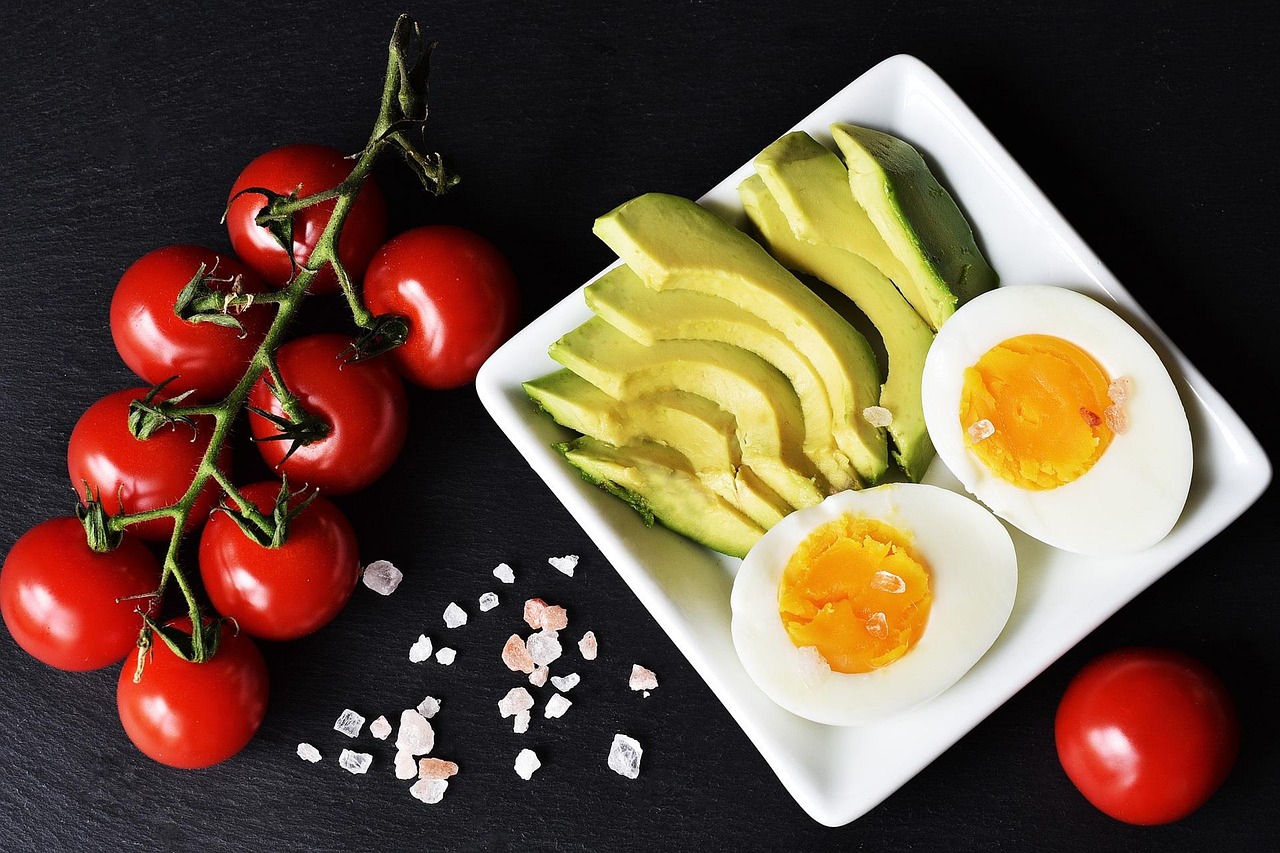
- Eggs: A versatile and affordable source of high-quality protein, particularly the egg white, which is almost pure protein.
- Dairy Products: Greek yogurt, cottage cheese, milk, and whey protein are excellent sources of casein and whey proteins, which are digested at different rates, providing a sustained release of amino acids. Greek yogurt, in particular, is very high in protein.
- Legumes: Lentils, beans (black, kidney, chickpeas), and peas are good plant-based protein sources, also high in fiber.
- Soy Products: Tofu, tempeh, and edamame are complete plant proteins.
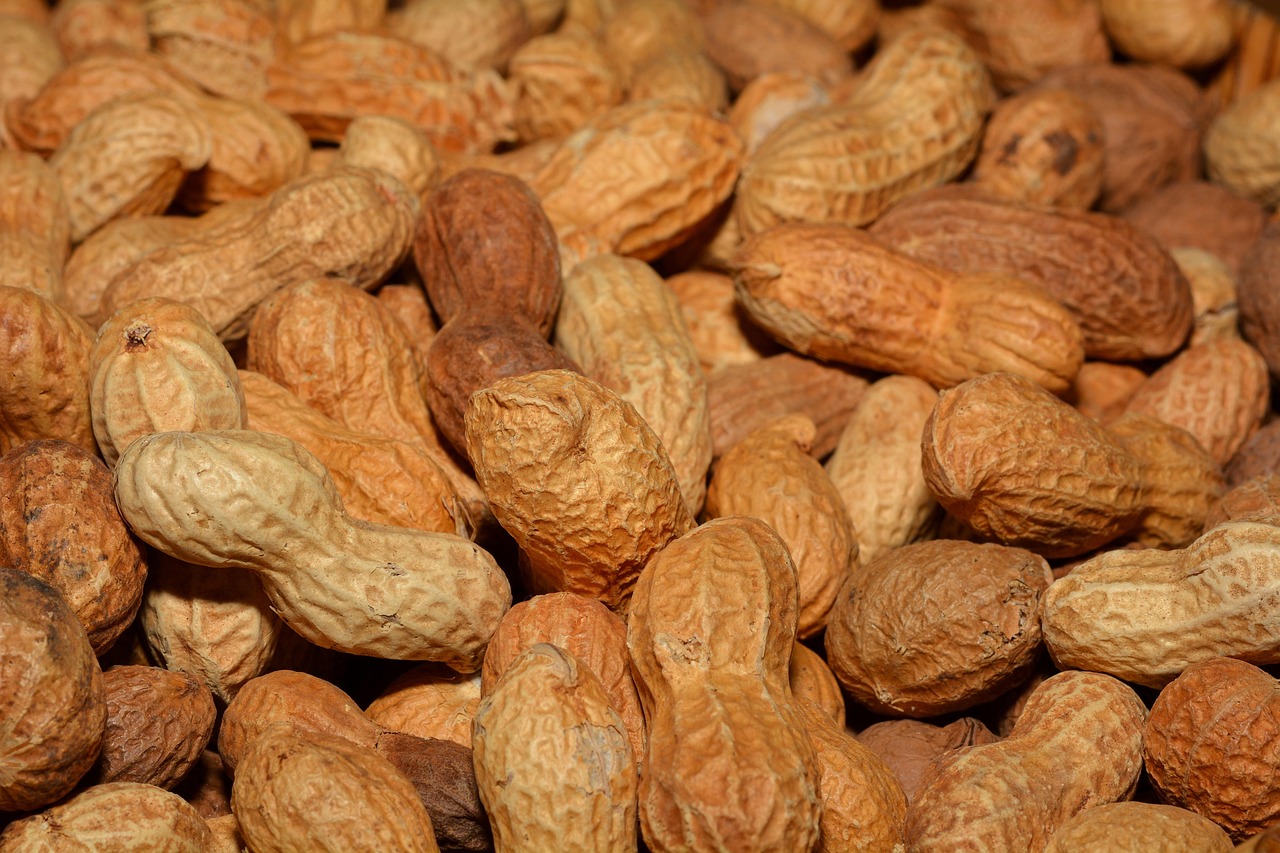
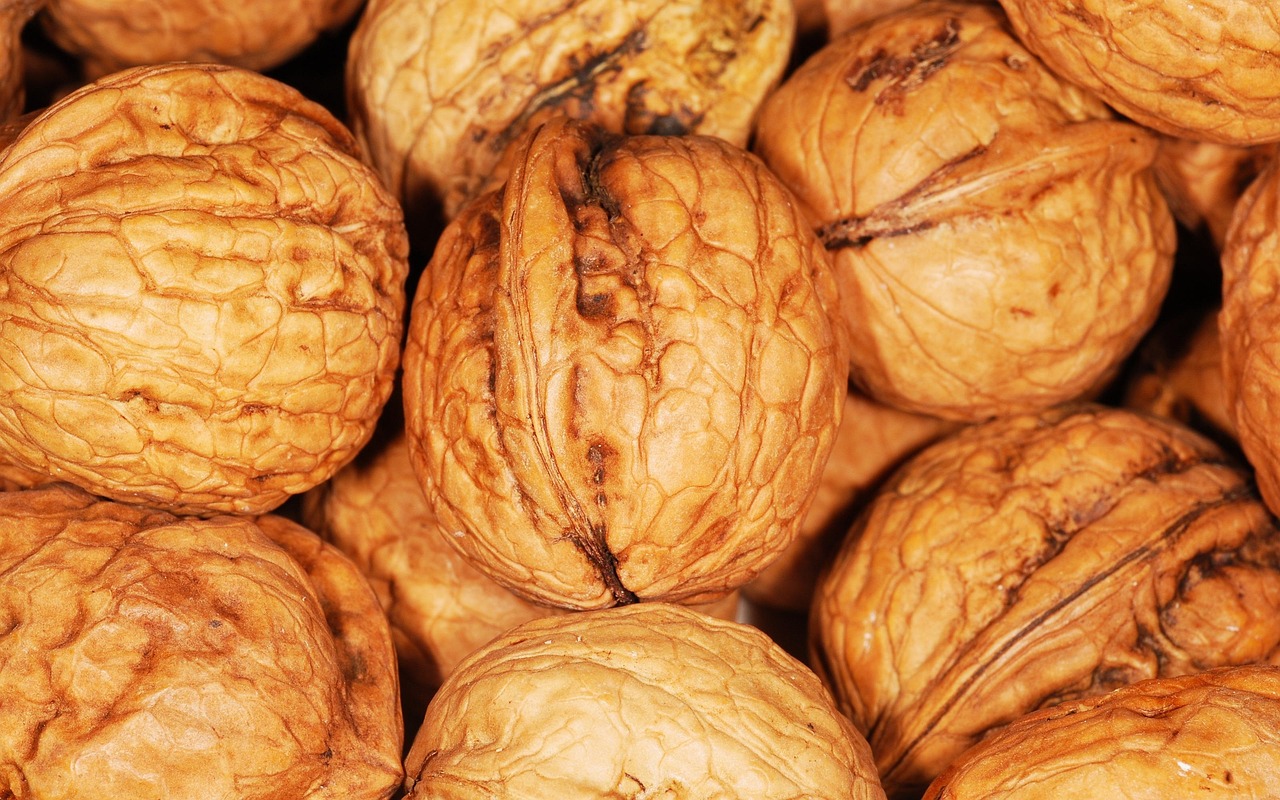
- Nuts and Seeds: Almonds, walnuts, chia seeds, and flax seeds offer protein along with healthy fats and fiber.
Protein Quality Comparison
| Protein Source | Type | Essential Amino Acids | Digestion Rate | Other Benefits |
|---|---|---|---|---|
| Whey Protein | Animal | Complete | Fast | Rich in BCAAs, convenient |
| Casein Protein | Animal | Complete | Slow | Sustained amino acid release |
| Chicken Breast | Animal | Complete | Moderate | Lean, versatile |
| Salmon | Animal | Complete | Moderate | Omega-3s, Vitamin D |
| Greek Yogurt | Animal | Complete | Moderate | Probiotics, Calcium |
| Eggs | Animal | Complete | Moderate | Vitamins, minerals |
| Tofu | Plant | Complete | Moderate | Isoflavones, low saturated fat |
| Lentils/Beans | Plant | Incomplete* | Slow | Fiber, iron, complex carbs |
| Quinoa | Plant | Complete | Moderate | Fiber, magnesium |
| Almonds | Plant | Incomplete* | Slow | Healthy fats, Vitamin E, fiber |
*Incomplete plant proteins can be made complete by combining them with other plant proteins (e.g., beans and rice) over the course of a day.
Preserving Healthy Muscle during Weight Loss
The strategy for preserving muscle during weight loss in older adults extends beyond just protein intake. It involves a holistic approach that integrates diet with physical activity.
Calorie Deficit Management
To lose weight, a calorie deficit is necessary. However, this deficit should be moderate. An overly aggressive calorie restriction can increase the risk of muscle loss. A deficit of 500-750 calories per day is often recommended, leading to a gradual weight loss of 1-1.5 pounds per week, which is more conducive to preserving muscle. Rapid weight loss is more likely to include a higher proportion of muscle.
Resistance Training
This is perhaps the most critical component alongside protein for muscle preservation. Resistance training (e.g., lifting weights, using resistance bands, bodyweight exercises) stimulates muscle protein synthesis and signals the body to retain muscle mass, even in a calorie deficit. For older adults, starting with light weights and gradually increasing intensity under guidance is crucial to prevent injury. Aim for at least 2-3 sessions per week, targeting all major muscle groups.
Protein Timing and Distribution
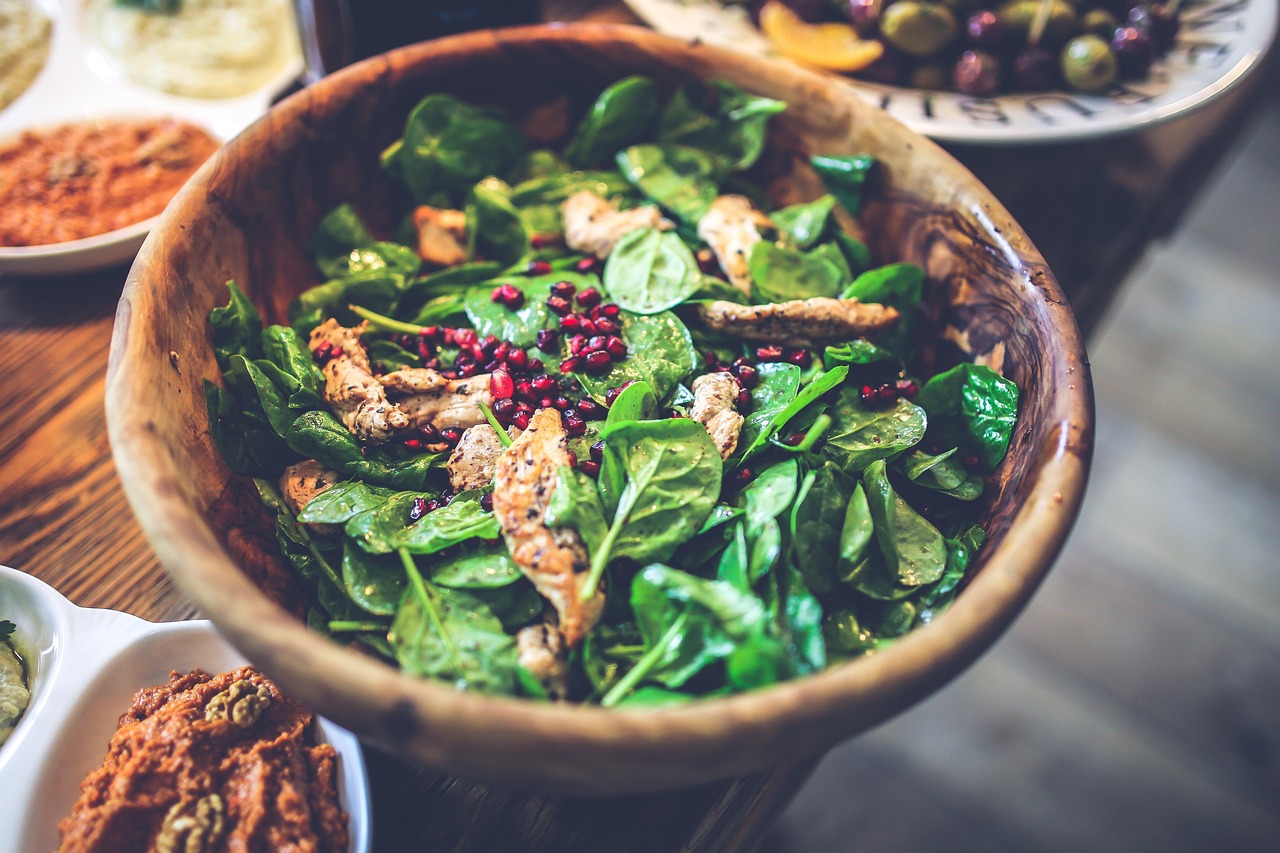
Instead of consuming a large amount of protein in one meal, distributing protein intake throughout the day can be more effective for older adults. This ensures a consistent supply of amino acids to stimulate muscle protein synthesis. Aim for 25-40 grams of protein at each major meal (breakfast, lunch, dinner) and potentially a protein-rich snack. A protein intake before or after resistance training can also be beneficial. For example, having a Greek yogurt with berries for breakfast, a chicken salad for lunch, a handful of almonds as a snack, and salmon with vegetables for dinner would provide a good distribution.
Hydration
Adequate hydration is often overlooked but essential for all bodily functions, including muscle health and metabolism. Dehydration can impair physical performance and overall well-being, making exercise more difficult and potentially affecting the body’s ability to utilize nutrients effectively.
Other Nutrients That Help Prevent Muscle Loss
While protein is paramount, several other nutrients play supportive roles in muscle health and can indirectly aid in preventing muscle loss during weight loss. These nutrients contribute to overall metabolic health, bone strength, and the efficient functioning of muscle tissue.
- Vitamin D: Crucial for bone health, Vitamin D also plays a role in muscle function and strength. Low levels of Vitamin D are associated with muscle weakness and an increased risk of falls in older adults. Sunlight exposure, fatty fish, and fortified dairy products are good sources.
- Calcium: Essential for muscle contraction and bone density. Strong bones provide the framework for strong muscles. Dairy products, fortified plant milks, and leafy greens are primary sources.
- Omega-3 Fatty Acids: Found in fatty fish (salmon, mackerel), flaxseeds, and walnuts, omega-3s have anti-inflammatory properties that can help reduce muscle soreness and promote recovery, potentially supporting consistent exercise.
- Magnesium: Involved in over 300 biochemical reactions in the body, including muscle and nerve function, blood glucose control, and blood pressure regulation. Green leafy vegetables, nuts, seeds, and whole grains are good sources.
- B Vitamins (especially B6, B12, and Folate): These vitamins are vital for energy production and the metabolism of protein and carbohydrates. They support nerve function, which is essential for muscle control. Found in whole grains, lean meats, fish, and leafy greens.
- Creatine: While not a “nutrient” in the traditional sense, creatine is a compound found naturally in muscle cells that helps muscles produce energy during heavy lifting or high-intensity exercise. Supplementation (often 3-5g per day) has been shown to enhance muscle mass and strength gains when combined with resistance training, particularly in older adults. It can help improve exercise performance, allowing for more effective muscle-building workouts.
These nutrients work synergistically. For example, adequate calcium and vitamin D are needed for strong bones, which in turn support the ability to perform resistance exercises safely and effectively, further contributing to muscle preservation.
How Older Adults Should Consume Protein and Supplements
Optimizing protein intake involves more than just hitting a number; it’s about timing, source, and considering individual needs.
Protein Intake Recommendations
For older adults aiming to preserve muscle during weight loss, the general recommendation for protein intake is higher than for younger adults. While the Recommended Dietary Allowance (RDA) for protein is 0.8 grams per kilogram of body weight per day (g/kg/day) for healthy adults, many experts suggest 1.0 to 1.6 g/kg/day for older adults, and even up to 2.0 g/kg/day during periods of intentional weight loss combined with resistance training.
Example: An older adult weighing 150 lbs (approximately 68 kg) might aim for:
- Standard RDA: 68 kg * 0.8 g/kg = 54.4 grams of protein per day
- Muscle Preservation During Weight Loss: 68 kg * 1.2-1.6 g/kg = 81.6 to 108.8 grams of protein per day
This higher intake ensures sufficient amino acids are available to counteract muscle breakdown during a calorie deficit.
Practical Strategies for Protein Consumption
- Prioritize Protein at Each Meal: Instead of front-loading protein or saving it all for dinner, distribute it evenly throughout the day. Aim for 25-40 grams of high-quality protein at breakfast, lunch, and dinner.
- Breakfast: Greek yogurt (20g protein/cup), eggs (6g protein/egg), cottage cheese (25g protein/cup).
- Lunch: Chicken breast salad (30-40g), lentil soup (15-20g/cup), tuna sandwich (20-30g).
- Dinner: Salmon fillet (30-40g), lean steak (30-40g), tofu stir-fry (20-30g).
- Include Protein-Rich Snacks: If meals aren’t sufficient, add snacks like a handful of almonds, a hard-boiled egg, or a small serving of cottage cheese.
- Focus on Whole Foods First: Get the majority of protein from whole, unprocessed foods. These also provide other essential vitamins, minerals, and fiber.
The Role of Protein Supplements
Protein supplements can be a convenient and effective way to meet higher protein needs, especially when appetite is low or it’s challenging to consume enough through whole foods alone.
- Whey Protein: Derived from milk, whey is a “fast-acting” protein, meaning it’s rapidly digested and absorbed. This makes it ideal for consumption around workouts to quickly deliver amino acids to muscles. Whey protein isolate is a good option for those sensitive to lactose.
- Casein Protein: Also from milk, casein is a “slow-acting” protein, providing a sustained release of amino acids. Taking casein before bed can help provide muscles with a steady supply of protein overnight.
- Plant-Based Proteins: Options like soy, pea, or rice protein powders are available for those following vegetarian or vegan diets, or with dairy sensitivities. It’s often beneficial to choose a blend of plant proteins to ensure a complete amino acid profile.
Considerations for Supplements:
- Quality: Choose reputable brands with third-party testing to ensure purity and potency.
- Ingredients: Be mindful of added sugars, artificial sweeteners, and unnecessary fillers.
- Timing: While beneficial, supplements are not magic. They complement a balanced diet, they don’t replace it.
- Consult a Professional: Before adding any supplements, especially for older adults with underlying health conditions or medications, it’s wise to consult with a doctor or a registered dietitian. They can provide personalized advice and ensure there are no contraindications.
For someone struggling to eat a large, protein-rich breakfast, a scoop of whey protein blended into a smoothie with fruit and spinach can be a quick, nutrient-dense way to start the day and contribute significantly to their daily protein target. Similarly, a small protein shake after a resistance training session can aid recovery and muscle repair.
Conclusion
Preserving muscle mass while losing weight is a critical health objective for older adults. The evidence strongly supports a strategic approach that prioritizes higher protein intake alongside regular resistance training. By understanding the body’s unique needs as it ages, and by consciously choosing protein-rich foods and, if necessary, appropriate supplements, older adults can navigate weight loss more effectively, maintaining their strength, mobility, and overall quality of life. This isn’t just about shedding pounds; it’s about fostering healthy aging and functional independence.