Regaining muscle mass after a period of illness or surgery, particularly for individuals over 40, hinges significantly on adequate protein intake. During recovery, the body’s protein needs often increase due to heightened metabolic stress and the demands of tissue repair. Without sufficient protein, the body may break down existing muscle for energy and building blocks, hindering recovery and prolonging weakness. The right protein sources provide the essential amino acids necessary to rebuild muscle tissue, improve strength, and support overall healing. This article explores various effective protein options, considering their benefits and practical applications for recovery.
Understanding Protein’s Role in Muscle Regain
Protein isn’t just about bulk; it’s fundamental to every cell and tissue in the body. For muscle regain, its role is paramount. Proteins are made up of amino acids, often called the “building blocks” of the body. When you consume protein, your digestive system breaks it down into these individual amino acids. Your body then reassembles them to create new proteins, including those needed to repair and build muscle, produce enzymes, hormones, and antibodies, and support immune function – all critical during recovery.
For individuals over 40, muscle protein synthesis (the process of building new muscle) can become less efficient. This age-related decline, known as sarcopenia, makes adequate protein intake even more crucial, especially when recovering from catabolic states like illness or surgery that accelerate muscle loss. The type of protein matters, too. Complete proteins, which contain all nine essential amino acids that the body cannot produce on its own, are generally more effective for muscle repair.
Practical implications for recovery include prioritizing protein at every meal. Instead of a single large protein serving, distributing protein intake throughout the day can optimize muscle protein synthesis. For instance, aiming for 25-30 grams of protein per meal can be more beneficial than consuming a small amount at breakfast and a very large amount at dinner.
High-Protein Foods for Recovery
When focusing on muscle regain, particularly after physical stressors, selecting nutrient-dense, high-quality protein sources is key. These foods not only provide ample protein but often come packed with other beneficial nutrients that support overall health and recovery.
Animal-Based Protein Sources
Animal proteins are typically complete proteins, meaning they contain all nine essential amino acids necessary for muscle repair and growth.
- Lean Meats (Chicken Breast, Turkey, Lean Beef, Pork Loin): These are excellent sources of high-quality protein with relatively low fat content. For example, a 3-ounce serving of chicken breast can provide around 25-30 grams of protein. They also offer iron, zinc, and B vitamins, which are vital for energy production and immune function. When choosing beef or pork, opt for leaner cuts to manage fat intake, especially if digestive sensitivity is a concern post-surgery.
- Fish and Seafood (Salmon, Tuna, Cod, Shrimp): Beyond protein, many fish, especially fatty fish like salmon, are rich in omega-3 fatty acids. These anti-inflammatory compounds can help reduce inflammation associated with recovery and support cardiovascular health. A 3-ounce serving of salmon provides about 22 grams of protein and significant omega-3s. Cod and shrimp offer lean protein with fewer calories.
- Eggs: Often called nature’s perfect protein, eggs are highly bioavailable, meaning the body can efficiently absorb and utilize their protein. One large egg contains about 6 grams of protein, along with vitamins D, B12, and selenium. The yolk contains most of the vitamins and minerals, while the white is almost pure protein. Eggs are versatile and easy to prepare, making them suitable for many dietary needs during recovery.
- Dairy Products (Greek Yogurt, Cottage Cheese, Milk): Dairy proteins, particularly whey and casein, are highly effective for muscle repair. Greek yogurt, for instance, can provide 15-20 grams of protein per serving and is also a good source of calcium and probiotics, which support gut health. Cottage cheese is another excellent option, offering casein protein, which digests more slowly, providing a sustained release of amino acids. Whole milk, if tolerated, provides both protein and calories, which can be useful for individuals needing to prevent further weight loss.
Plant-Based Protein Sources
For those following vegetarian or vegan diets, or simply looking to diversify their protein intake, plant-based options are increasingly recognized for their efficacy in muscle support. While many plant proteins are incomplete on their own, combining various sources throughout the day ensures a full spectrum of amino acids.
- Legumes (Lentils, Beans, Chickpeas): These are powerhouses of protein and fiber. A cup of cooked lentils offers about 18 grams of protein and 16 grams of fiber, aiding digestion and satiety. Beans and chickpeas are similarly rich. They also provide complex carbohydrates for energy, iron, and folate.
- Tofu and Tempeh: Derived from soybeans, tofu and tempeh are complete plant proteins. Tofu is versatile and takes on the flavor of marinades, while tempeh, a fermented soybean product, has a firmer texture and nutty flavor. A 3.5-ounce serving of firm tofu contains approximately 8-10 grams of protein. Tempeh typically offers more protein, around 15-18 grams per 3-ounce serving.
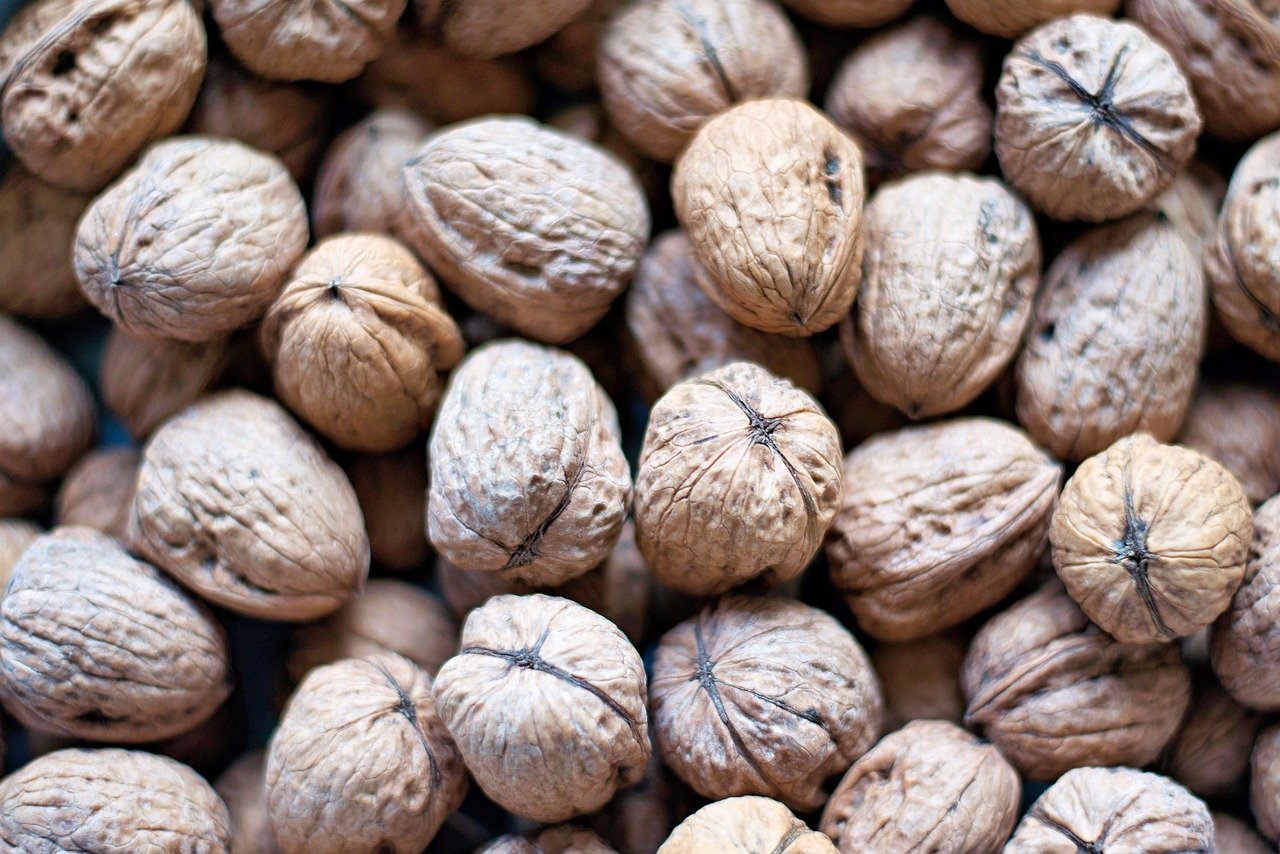
- Nuts and Seeds (Almonds, Walnuts, Chia Seeds, Flax Seeds): While not as protein-dense as meats or legumes, nuts and seeds contribute valuable protein, healthy fats, and fiber. A quarter-cup of almonds provides about 6 grams of protein, along with vitamin E and magnesium. Chia and flax seeds are also good sources of omega-3s (ALA). They can be easily incorporated into smoothies, yogurts, or oatmeal.
- Quinoa: Unique among grains, quinoa is a complete protein. One cup cooked provides about 8 grams of protein, along with fiber, iron, and magnesium. It’s a versatile base for meals and a good carbohydrate source for energy.
Protein Supplements for Enhanced Recovery
Sometimes, dietary intake alone may not be sufficient to meet the elevated protein needs during recovery, or an individual might have appetite issues or difficulty chewing. In these cases, protein supplements can be a convenient and effective way to ensure adequate intake.
Whey Protein
Whey protein is derived from milk and is one of the most popular and well-researched protein supplements. It’s a complete protein, rich in branched-chain amino acids (BCAAs), particularly leucine, which is crucial for stimulating muscle protein synthesis.
- Benefits: Whey is rapidly digested and absorbed, leading to a quick spike in amino acids in the bloodstream, which is beneficial for immediate post-activity or post-illness muscle repair. It’s highly bioavailable and generally well-tolerated.
- Considerations for Seniors (40+): For individuals over 40, especially those recovering, whey protein can be particularly useful. Its rapid absorption helps counteract the blunted muscle protein synthesis response often seen with age. It can be easily mixed into shakes, smoothies, or even oatmeal, making it palatable for those with reduced appetite or chewing difficulties. Whey protein isolate, a purer form, has less lactose, which might be better for those with lactose sensitivity.
Casein Protein
Also derived from milk, casein protein digests much more slowly than whey.
- Benefits: This slow digestion provides a sustained release of amino acids into the bloodstream over several hours. This can be beneficial for preventing muscle breakdown, especially during longer periods without food, such as overnight.
- Considerations: While less ideal for immediate post-activity recovery compared to whey, casein can be a valuable addition, perhaps taken before bed, to support continuous muscle repair.
Plant-Based Protein Powders (Pea, Rice, Soy)
For those who are lactose intolerant, have dairy allergies, or prefer plant-based options, several effective plant protein powders exist.
- Pea Protein: A popular choice, pea protein is rich in BCAAs and is generally well-digested. It’s often considered a complete protein, though some brands may be fortified to ensure all essential amino acids are present in optimal ratios.
- Rice Protein: Often combined with pea protein to create a more complete amino acid profile. Individually, rice protein is lower in lysine.
- Soy Protein: A complete protein, soy protein has been studied extensively and shown to be effective for muscle growth and repair. However, some individuals may prefer other options due to concerns about phytoestrogens or allergies.
- Considerations: When choosing plant-based powders, look for blends that combine different sources (e.g., pea and rice) to ensure a complete amino acid profile. They can be mixed into smoothies, water, or plant-based milks.
| Protein Type | Source | Digestion Speed | Key Benefits | Considerations for Recovery (40+) |
|---|---|---|---|---|
| Whey Protein | Dairy (Milk) | Fast | Rapid amino acid delivery, high leucine content, stimulates MPS quickly. | Excellent for immediate post-illness/surgery, easy to consume, helps overcome age-related blunting of MPS. |
| Casein Protein | Dairy (Milk) | Slow | Sustained amino acid release, prevents muscle breakdown (anti-catabolic). | Good for overnight recovery or longer periods between meals, supports continuous muscle repair. |
| Pea Protein | Peas | Moderate | Rich in BCAAs, often complete (check labels), good for dairy allergies. | Suitable for plant-based diets, can be part of a blend for full amino acid profile, generally well-tolerated. |
| Soy Protein | Soybeans | Moderate | Complete protein, effective for muscle growth, contains beneficial compounds. | Good plant-based option, but consider potential allergies or individual preferences regarding soy. |
| Eggs | Whole Eggs | Moderate | Highly bioavailable, complete protein, nutrient-dense. | Versatile, easy to prepare, good for varied meals, provides essential vitamins. |
| Lean Meats | Chicken, Beef, Pork | Moderate-Slow | Complete protein, rich in iron, zinc, B vitamins. | Foundational for meals, provides sustained energy and micronutrients, choose lean cuts for easier digestion. |
| Fish (Salmon) | Fatty Fish | Moderate | Complete protein, rich in omega-3s (anti-inflammatory). | Supports overall health and reduces inflammation, beneficial for recovery, easy to cook. |
| Greek Yogurt | Dairy (Milk) | Moderate | High protein, probiotics, calcium, convenient. | Easy snack, aids gut health, provides both whey and casein, good for appetite issues. |
| Lentils/Beans | Legumes | Slow | Plant-based protein, high fiber, complex carbs. | Excellent for plant-based diets, provides sustained energy, may cause digestive discomfort in large amounts for some. |
Other Nutrients That Help Prevent Muscle Loss
While protein is central to muscle regain, it doesn’t work in isolation. Several other nutrients play supportive roles in preventing muscle loss and facilitating recovery.
- Vitamin D: Often associated with bone health, vitamin D also plays a critical role in muscle function and strength. Deficiency is common, especially in older adults, and can contribute to muscle weakness and impaired recovery. Sunlight exposure is a primary source, but dietary sources (fatty fish, fortified milk) and supplements are often necessary, particularly during recovery when mobility might be limited.
- Omega-3 Fatty Acids: As mentioned with fish, these healthy fats have potent anti-inflammatory properties. Chronic inflammation can hinder muscle repair and contribute to muscle loss. Omega-3s can help mitigate this, supporting a more efficient recovery environment. Sources include fatty fish, flaxseeds, chia seeds, and walnuts.
- Creatine: While often associated with athletic performance, creatine monohydrate can also be beneficial during recovery. It helps muscles produce energy during high-intensity exercise and can aid in increasing muscle mass and strength, especially when combined with resistance training. It’s generally safe and well-tolerated, even for older adults, but consulting a doctor before starting any supplement is advisable.
- Magnesium: This mineral is involved in over 300 enzymatic reactions in the body, including protein synthesis, muscle and nerve function, blood glucose control, and blood pressure regulation. Magnesium deficiency can lead to muscle cramps and weakness. Good sources include leafy green vegetables, nuts, seeds, legumes, and whole grains.
- Calcium: Essential for bone health, calcium also plays a role in muscle contraction. Ensuring adequate calcium intake, alongside Vitamin D, is crucial for maintaining overall musculoskeletal integrity during recovery. Dairy products, fortified plant milks, and leafy greens are good sources.
- B Vitamins: The B-vitamin complex (B6, B12, folate, etc.) is crucial for energy metabolism, red blood cell formation, and nerve function. These processes are all vital for supporting muscle repair and overall recovery. Found in whole grains, meats, eggs, dairy, and leafy greens.
Achieving Optimal Muscle Protein Remodeling
Optimal muscle protein remodeling – the continuous process of breaking down and rebuilding muscle tissue – is the goal for muscle regain. This isn’t just about what you eat, but also when and how.
- Timing of Protein Intake: Distributing protein intake throughout the day is more effective than consuming it all in one or two large meals. Aim for 25-30 grams of high-quality protein at each main meal (breakfast, lunch, dinner) and potentially snacks. This ensures a consistent supply of amino acids to support muscle protein synthesis.
- Post-Exercise/Activity Protein: After any physical activity, even light rehabilitation exercises, muscles are primed to absorb amino acids. Consuming protein (especially fast-digesting options like whey or a complete plant protein) within an hour or two can significantly enhance repair and growth.
- Combining with Resistance Exercise: While diet is crucial, resistance exercise is the primary stimulus for muscle growth. Even light resistance bands or bodyweight exercises, once cleared by a medical professional, can signal muscles to respond to protein intake by growing stronger. Without this stimulus, protein’s muscle-building effects are diminished.
- Adequate Calorie Intake: Protein works best when the body has enough overall calories. If calorie intake is too low, the body may use protein for energy rather than for muscle repair, essentially “burning” its building blocks. Ensure a balanced intake of complex carbohydrates and healthy fats to provide the necessary energy for recovery.
Protecting Your Muscles as You Age
The process of sarcopenia, the age-related loss of muscle mass and strength, begins earlier than many realize, often accelerating after 40. Recovery from illness or surgery can significantly exacerbate this. Proactive strategies are essential.
- Prioritize Protein Consistently: Make high-quality protein a non-negotiable part of every meal, every day, not just during acute recovery. This ongoing effort helps maintain muscle mass and provides a reserve for future challenges.
- Stay Active (as able): Regular physical activity, particularly strength training, is the most powerful countermeasure to sarcopenia. Even if recovering, gradually increasing activity levels under professional guidance is key. Consistent movement helps maintain muscle tone and encourages protein synthesis.
- Nutrient Density: Focus on nutrient-dense foods that provide a wide array of vitamins, minerals, and antioxidants, in addition to protein. These support overall cellular health and reduce oxidative stress, which can contribute to muscle degradation.
- Hydration: Water is essential for every bodily function, including nutrient transport and metabolic processes vital for muscle health. Dehydration can impair physical performance and recovery.
- Adequate Sleep: Sleep is a critical period for repair and recovery. Hormones involved in muscle growth and repair, such as growth hormone, are released during deep sleep. Prioritizing 7-9 hours of quality sleep each night is as important as nutrition and exercise.
- Listen to Your Body: Recovery is not linear. There will be good days and challenging days. Pay attention to signs of fatigue, pain, or digestive upset, and adjust your diet and activity levels accordingly. Consulting with a registered dietitian or a physical therapist can provide personalized guidance tailored to your specific recovery needs and health status.
FAQ
What is the best protein to rebuild muscle?
There isn’t a single “best” protein, as different sources offer distinct benefits. For rapid rebuilding, whey protein is highly effective due to its fast absorption and rich leucine content, which kickstarts muscle protein synthesis. However, whole food sources like lean meats, fish, eggs, and dairy are equally important as they provide a broader spectrum of nutrients. For sustained repair, casein protein or naturally slower-digesting whole foods are beneficial. A varied approach combining these sources is often most effective for comprehensive muscle regain.
Can I build muscle while on Zepbound?
Zepbound (tirzepatide) is a medication primarily used for weight management. While it can lead to significant weight loss, there’s a risk of losing muscle mass along with fat, as with any substantial weight loss. To mitigate muscle loss and potentially build muscle while on Zepbound, it’s crucial to:
- Prioritize high-quality protein intake: Ensure you’re consuming enough protein to meet your body’s needs for muscle preservation and growth, typically 1.2-1.6 grams per kilogram of body weight.
- Incorporate resistance training: Regular strength exercises are essential to signal your body to retain and build muscle.
- Work with healthcare professionals: Consult your doctor and a registered dietitian to create a personalized plan that balances weight loss goals with muscle preservation, ensuring adequate nutrition and appropriate exercise.
Can you build muscle with high cortisol?
Chronically high cortisol levels can make building muscle challenging. Cortisol is a stress hormone that, at elevated levels, can promote muscle protein breakdown and inhibit muscle protein synthesis. This catabolic effect can counteract efforts to gain muscle. While acute, temporary spikes in cortisol (e.g., after intense exercise) are normal, prolonged high levels due to chronic stress, poor sleep, or certain medical conditions can hinder muscle growth. Managing stress, ensuring adequate sleep, and addressing underlying medical issues are important steps to optimize your body’s environment for muscle building.
Conclusion
Regaining muscle mass after illness or surgery, particularly for those over 40, is a multi-faceted process where protein plays a starring role. By understanding the different types of protein, their digestion rates, and their specific benefits, individuals can make informed dietary choices that accelerate recovery. Whether through lean meats, fish, eggs, dairy, or plant-based sources like legumes and tofu, consistent intake of high-quality protein, distributed throughout the day, is paramount. When dietary intake is insufficient, supplements like whey or casein can offer targeted support. Remember, protein works best in conjunction with other essential nutrients, adequate calorie intake, and a gradual, professionally guided return to physical activity. Prioritizing these elements creates the optimal environment for muscle regain and sustained health.