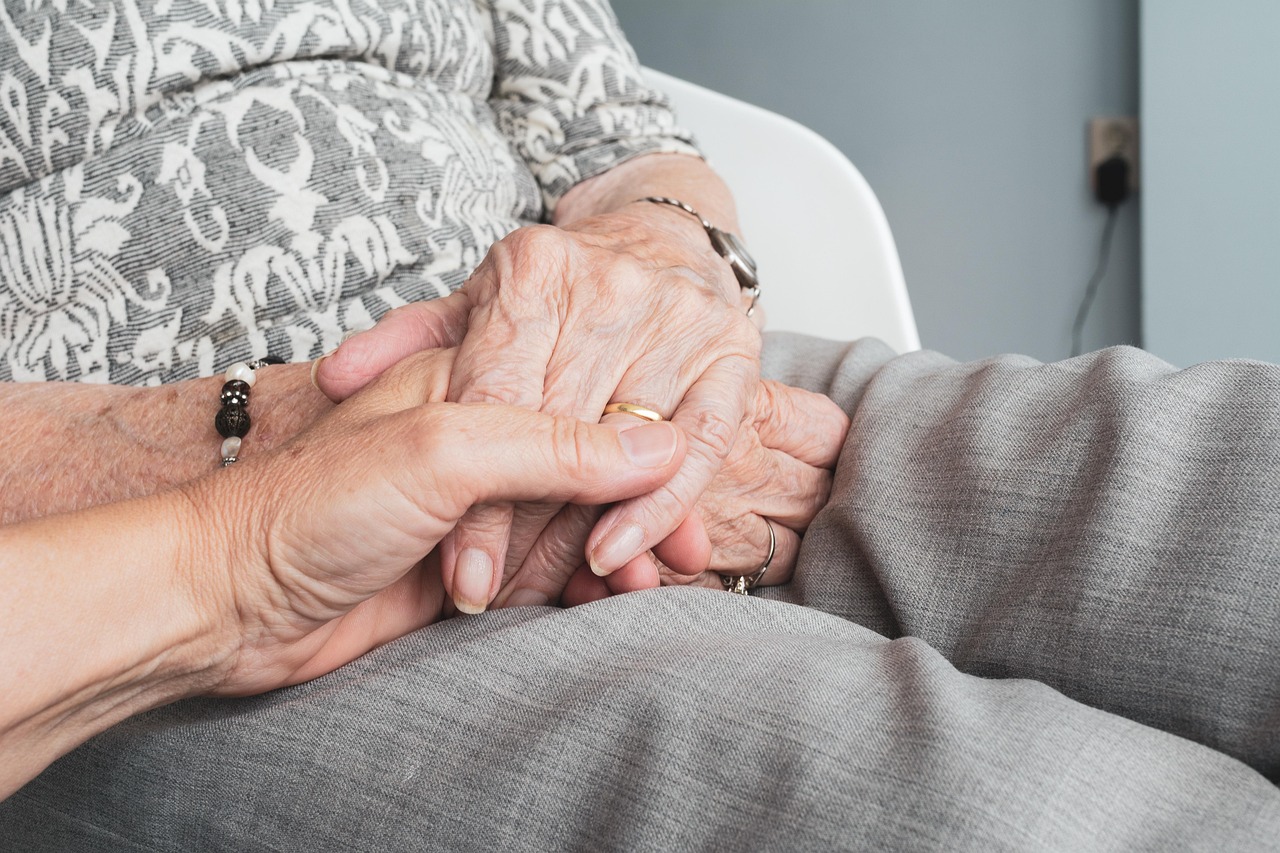

Sarcopenia, the age-related loss of muscle mass, strength, and function, is a widespread concern, often leading to decreased mobility, increased fall risk, and reduced quality of life. While it might sound like an inevitable part of aging, evidence suggests that sarcopenia can be significantly mitigated, and in some cases, even reversed, through targeted interventions, primarily exercise. The good news is that you don’t need hours at a gym to make a difference. Short, consistent home workouts, particularly those focusing on strength training, can be remarkably effective. This article explores how a daily 15-minute routine can serve as a potent tool in the fight against sarcopenia.
15-Minute Standing Workout to Reverse Muscle Loss After 55
For individuals over 55, maintaining strength and balance is crucial for independent living and preventing falls. A standing workout offers the benefit of engaging core stabilizers and improving proprioception (your body’s sense of its position in space), in addition to building muscle. The key is to focus on compound movements that work multiple muscle groups simultaneously, making the most of your limited time.
A 15-minute standing routine could incorporate exercises like wall push-ups, chair squats, standing leg lifts (forward, side, and back), calf raises, and bicep curls using light dumbbells or resistance bands. The emphasis should be on controlled movements rather than speed, ensuring proper form to maximize effectiveness and minimize injury risk. For instance, when doing chair squats, focus on lowering yourself slowly as if you’re about to sit, then pushing back up through your heels. This controlled motion engages the quadriceps, hamstrings, and glutes more effectively than a quick, jerky movement. Incorporating a balance component, such as standing on one leg while holding onto a sturdy surface, can also be beneficial.
The practical implication here is consistency. A short routine performed daily or almost daily will yield better results than sporadic, longer workouts. If you find a particular exercise challenging, modify it. For example, if regular chair squats are too difficult, start with mini-squats or use a higher chair. As strength improves, you can gradually increase the range of motion or decrease reliance on support. The trade-off for the convenience of a short, home-based routine might be the need for self-discipline and ensuring you’re challenging yourself adequately without overdoing it.
15 Minute Strength Workout to Build Muscle for Sarcopenia
Building muscle, even in short bursts, hinges on the principle of progressive overload – gradually increasing the demand placed on your muscles. For a 15-minute home workout aimed at combating sarcopenia, this means selecting exercises that effectively stimulate muscle growth while being adaptable to your current fitness level.
Consider a circuit approach where you move from one exercise to the next with minimal rest. This keeps your heart rate up and maximizes your time. A sample routine might include:
- Bodyweight Squats: Target glutes, quads, and hamstrings. Start with 10-12 repetitions.
- Push-ups (modified as needed): Work chest, shoulders, and triceps. Perform on knees, against a wall, or full push-ups. Aim for 8-10 repetitions.
- Lunges (alternating legs): Engage glutes, quads, and hamstrings. 8-10 repetitions per leg.
- Plank: Strengthen core and back. Hold for 20-30 seconds.
- Dumbbell Rows (using household items if no weights): Target back and biceps. 10-12 repetitions per arm.
Perform each exercise for the prescribed repetitions, then move directly to the next. Once you’ve completed all five, rest for 60-90 seconds, then repeat the circuit. Two to three rounds should comfortably fit within 15 minutes, including a brief warm-up and cool-down.
The practical implication is that you don’t necessarily need gym equipment. Cans of soup, water bottles, or even heavy books can substitute for light dumbbells. The key is finding resistance that challenges your muscles for 8-12 repetitions. If an exercise becomes too easy, increase the repetitions, slow down the movement, or find a way to add more resistance. For instance, holding a backpack during squats can increase the load. The primary trade-off is that very heavy lifting, often associated with significant muscle hypertrophy, is harder to replicate at home without specialized equipment. However, for combating sarcopenia, stimulating muscle protein synthesis with moderate resistance is often sufficient.
Five Simple Exercises to Prevent Age-Related Muscle Loss
Preventing muscle loss doesn’t require complex movements or advanced techniques. Simplicity, consistency, and proper form are far more effective. These five exercises are foundational and can be easily integrated into a daily 15-minute routine. They target major muscle groups and can be adapted to various fitness levels.
- Chair Squats: Stand in front of a sturdy chair, feet shoulder-width apart. Lower your hips as if to sit, gently tapping the chair, then stand back up. Keep your chest up and back straight. This builds strength in the legs and glutes.
- Wall Push-ups: Stand facing a wall, about an arm’s length away. Place hands on the wall slightly wider than shoulder-width. Lean in towards the wall by bending your elbows, then push back until arms are straight. This works the chest, shoulders, and triceps with reduced intensity compared to floor push-ups.
- Calf Raises: Stand tall, holding onto a chair or wall for balance if needed. Slowly lift yourself onto the balls of your feet, then lower back down. This strengthens the calf muscles, important for walking and balance.
- Bicep Curls (with resistance bands or light weights): Stand or sit, holding a resistance band or light dumbbell in each hand, palms facing forward. Keep elbows close to your sides and curl the weights up towards your shoulders, then slowly lower them. This targets the biceps.
- Overhead Press (with resistance bands or light weights): Stand or sit, holding light weights or resistance band handles at shoulder height, palms facing forward. Press the weights straight up overhead, then slowly lower them back to shoulder height. This works the shoulders and triceps.
For each exercise, aim for 2-3 sets of 10-15 repetitions. Rest for 30-60 seconds between sets. This approach ensures that you’re hitting key muscle groups with sufficient volume to stimulate growth and slow down muscle degradation. The practical implication is that these movements are low-impact and can be performed by most individuals, regardless of prior exercise experience, with appropriate modifications. The trade-off is that without increasing resistance over time, the effectiveness may plateau. Regular reassessment of your strength and increasing the challenge (more reps, more sets, heavier resistance) is important.
15-Min Morning Routine That Rebuilds Muscle After 45
Starting your day with a short, focused strength routine can kickstart your metabolism, improve energy levels, and consistently chip away at muscle loss. After 45, the body’s ability to maintain muscle mass begins to decline more noticeably, making regular strength training even more critical. A morning routine can also help establish a consistent habit before the demands of the day take over.
A 15-minute morning routine could look like this:
- Warm-up (2 minutes): Light marching in place, arm circles, leg swings.
- Circuit 1 (5 minutes):
- Bodyweight Squats (10-15 reps)
- Incline Push-ups (against a sturdy counter or table, 8-12 reps)
- Glute Bridges (lie on your back, knees bent, lift hips off the floor, 12-15 reps)
- Circuit 2 (5 minutes):
- Standing Rows (using a resistance band anchored to a door, 10-15 reps)
- Overhead Press (with light weights or resistance bands, 10-12 reps)
- Calf Raises (15-20 reps)
- Cool-down (3 minutes): Gentle stretches for major muscle groups (quads, hamstrings, chest, shoulders).
The benefit of a morning routine is consistency and the psychological boost of starting the day productively. It integrates easily into daily life, becoming as routine as brushing your teeth. For many, energy levels are also higher in the morning. The practical implication is that preparation the night before (setting out workout clothes, having water ready) can make it easier to stick to. The main trade-off might be fitting it into an already packed morning schedule, but the brevity of a 15-minute session makes this more achievable than longer workouts.
15 Minute Total Body Toning // All Standing Workout with …
A total body, all-standing workout is particularly beneficial for those who prefer not to get on the floor or have balance concerns. It can effectively engage major muscle groups, improve balance, and contribute to overall muscle tone and strength, all within a concise timeframe. The “with…” in the title often implies the use of minimal equipment, such as light dumbbells, resistance bands, or even just bodyweight.
Here’s an example of an all-standing routine:
| Exercise | Muscle Groups Targeted | Repetitions/Duration | Notes |
|---|---|---|---|
| Warm-up | General body activation | 2 minutes | Marching in place, arm circles, gentle torso twists. |
| Chair Squats | Quads, Glutes, Hamstrings | 10-15 reps | Use a sturdy chair; focus on controlled movement. |
| Wall Push-ups | Chest, Shoulders, Triceps | 10-15 reps | Adjust distance from wall to modify intensity. |
| Standing Lunges | Quads, Glutes, Hamstrings | 8-10 reps per leg | Hold onto a wall or chair for balance if needed. |
| Calf Raises | Calves | 15-20 reps | Perform slowly, lifting high and lowering fully. |
| Standing Rows | Back, Biceps | 10-15 reps | Use resistance band anchored to a door or light dumbbells. |
| Overhead Press | Shoulders, Triceps | 10-12 reps | Use light dumbbells or resistance bands. |
| Side Leg Raises | Outer Thighs, Glute Medius | 10-12 reps per leg | Hold onto support; lift leg straight out to the side. |
| Cool-down Stretches | Major muscle groups | 2 minutes | Gentle stretches for legs, chest, and arms. |
Perform each exercise for the recommended repetitions, moving directly from one to the next. After completing one round of all exercises, you can rest for 60 seconds and then repeat the circuit if time allows within your 15-minute window.
The practical implication of an all-standing workout is its accessibility. It requires minimal space and can be done anywhere you can stand safely. It’s particularly good for improving functional strength needed for daily activities like walking, carrying groceries, and maintaining balance. A key trade-off is that some muscle groups, like the deep core muscles, might not be as intensely targeted as with floor-based exercises. However, many standing exercises inherently engage the core for stabilization.
A Simple Bedside Exercise Method to Enhance Lower Limb …
Even for individuals with limited mobility or those who prefer to exercise without leaving the immediate vicinity of their bed, targeted exercises can significantly contribute to maintaining and enhancing lower limb strength, which is crucial for preventing falls and supporting independence. This “bedside” method typically involves exercises that can be performed while sitting on the edge of the bed or even lying down.
While the full title from the SERP context hints at “enhancing lower limb,” the principles extend to the upper body as well. Here’s how a 15-minute bedside routine could be structured:
Sitting on the Edge of the Bed:
- Marches: Lift one knee towards your chest, then alternate. This warms up the hips and strengthens the hip flexors. (1-2 minutes)
- Knee Extensions: Sit tall, extend one leg straight out, flexing your quad muscle, then lower slowly. Repeat with the other leg. (10-15 reps per leg)
- Ankle Pumps/Circles: Point and flex your feet, then rotate them in circles. Improves circulation and ankle mobility. (1 minute per direction)
- Chair Dips (using the bed as a stable surface): Position hands on the edge of the bed, slide hips forward, and gently lower and raise your body using arm strength. This targets triceps and shoulders. (8-12 reps, modify depth as needed)
Lying in Bed (on your back):
- Glute Bridges: Bend knees, feet flat on the bed. Lift hips towards the ceiling, squeezing glutes, then lower. (10-15 reps)
- Leg Slides: Keep one leg bent, slide the other leg straight out along the bed, then slide it back in. (10-15 reps per leg)
- Arm Raises (with light weights or cans): Hold light weights (or cans of food) and raise arms straight up, then out to the sides, then overhead. (8-12 reps per direction)
The practical implication is that this approach removes many barriers to exercise, such as needing to get dressed, go to a specific location, or even stand for extended periods. It’s highly adaptable for individuals recovering from illness, those with chronic conditions, or anyone looking for a gentle start to their day. The primary trade-off is that the resistance and range of motion might be limited compared to standing or gym-based workouts, potentially slowing the rate of muscle gain. However, consistency with even low-intensity, high-repetition movements can still make a significant difference in combating sarcopenia.
Frequently Asked Questions
Can sarcopenia be reversed with exercise?
Yes, sarcopenia can often be reversed or significantly slowed down with consistent exercise, particularly resistance or strength training. While some muscle loss is a natural part of aging, sarcopenia is an accelerated form of this loss. Strength training stimulates muscle protein synthesis, leading to increased muscle mass, strength, and improved physical function. Dietary protein intake also plays a crucial role in supporting muscle repair and growth alongside exercise.
What is Jennifer Aniston’s 15-15-15 workout?
Jennifer Aniston’s “15-15-15” workout refers to a cardio routine where she spends 15 minutes each on three different cardio machines: the elliptical, the spin bike, and the treadmill. This workout is primarily focused on cardiovascular health and endurance, not specifically strength training to combat sarcopenia. While any physical activity is beneficial, this particular routine isn’t designed as a targeted strength program for muscle building. For sarcopenia, the focus needs to shift more towards resistance exercises.
What is the 3-3-3 rule for workout?
The “3-3-3 rule” for workouts isn’t a universally recognized or formally established fitness principle. It might refer to various interpretations depending on the context. For example, some might use it to mean 3 sets of 3 repetitions for strength, 3 different exercises for 3 minutes each, or a combination of 3 types of exercise 3 times a week for 30 minutes. Without specific context, it’s difficult to define. In the context of sarcopenia, a more relevant guideline would be to aim for at least 2-3 strength training sessions per week, targeting all major muscle groups, with each session lasting around 15-30 minutes.
Conclusion
Combating sarcopenia doesn’t require a significant time commitment or access to a gym. A consistent, daily 15-minute home workout routine, focusing on strength and balance, can be a powerful tool in preserving and even rebuilding muscle mass. By incorporating adaptable exercises that target major muscle groups, like squats, push-ups, and rows, individuals can effectively counteract age-related muscle loss. Whether it’s an all-standing routine, a morning circuit, or even bedside exercises, the key lies in starting where you are, maintaining consistency, and gradually challenging your body as strength improves. The benefits extend beyond physical strength to improved balance, greater independence, and an enhanced quality of life.