
For older adults, how protein is distributed throughout the day can be as important as the total amount consumed. While adequate overall protein intake is fundamental for maintaining muscle mass and function, research increasingly highlights that evenly spreading protein across meals optimizes the body’s ability to utilize it. This strategic approach, often termed “protein distribution,” directly impacts muscle protein synthesis (MPS), the process by which muscles repair and rebuild. Understanding and implementing effective protein distribution can play a significant role in combating age-related muscle loss, known as sarcopenia, and supporting overall health in later years.
Protein Requirements and Recommendations for Older People
The general recommendation for protein intake in adults is often cited around 0.8 grams of protein per kilogram of body weight per day (g/kg/day). However, this figure is frequently considered a minimum to prevent deficiency, not necessarily an optimal amount for older adults seeking to maintain muscle. As people age, several physiological changes occur that increase their protein needs. These include a phenomenon called “anabolic resistance,” where older muscles become less responsive to lower doses of protein. This means that older adults often require a higher protein threshold at each meal to stimulate maximal muscle protein synthesis compared to younger individuals.
For example, a younger person might achieve a robust MPS response with 20 grams of protein in a meal, while an older adult might need 25-30 grams or more to achieve a similar effect. This isn’t just about total daily intake; it’s about hitting a sufficient “trigger” amount at specific times. If an older adult consumes most of their daily protein in one large dinner meal, the body might not efficiently use all of it for muscle building, especially if the other meals are protein-deficient. The practical implication is a need for both higher overall protein intake and a conscious effort to ensure each major meal provides a substantial protein dose.
Nutrition Needs for Older Adults: Protein
Beyond just avoiding deficiency, the nutritional needs of older adults, particularly concerning protein, are geared towards supporting active aging and mitigating sarcopenia. Sarcopenia is characterized by progressive and generalized loss of skeletal muscle mass and strength, leading to increased risk of falls, frailty, and reduced quality of life. Protein plays a central role in counteracting this decline.
The body’s protein needs are dynamic. They increase during periods of stress, illness, or injury, all of which are more common in older age. Adequate protein intake supports not only muscle maintenance but also immune function, wound healing, and the synthesis of enzymes and hormones. When protein intake is insufficient, the body may break down existing muscle tissue to meet these essential functions.
Consider an older adult recovering from a minor illness. Their body’s demand for protein to repair tissues and support immune cells will be elevated. If their diet typically provides only minimal protein, or if it’s heavily skewed towards one meal, their recovery might be slower, and they could experience a further decline in muscle mass. A balanced approach that ensures consistent protein availability throughout the day helps the body meet these fluctuating demands more effectively, supporting resilience and recovery.
Protein Requirements for Older Adults
Establishing precise protein requirements for older adults is an ongoing area of research, but a consensus is emerging for intakes higher than the standard RDA. Many experts now recommend 1.0 to 1.2 g/kg/day for healthy older adults, with some suggesting even higher amounts (up to 1.5 g/kg/day or more) for those who are physically active, experiencing acute or chronic illness, or recovering from surgery.
Let’s illustrate with an example: a 70 kg (about 154 lbs) older adult.
- Standard RDA (0.8 g/kg): 56 grams of protein per day.
- Recommended for older adults (1.0-1.2 g/kg): 70-84 grams of protein per day.
- Active/Ill (1.5 g/kg): 105 grams of protein per day.
This increased requirement isn’t just about total quantity; it underpins the importance of distribution. If our 70 kg older adult aims for 84 grams of protein daily, and they consume only 10 grams at breakfast, 15 grams at lunch, and 59 grams at dinner, they might not be optimizing muscle synthesis. While 59 grams at dinner is a large amount, the earlier meals likely fell below the threshold needed to effectively stimulate MPS. Spreading that 84 grams more evenly, perhaps 25-30 grams at each of three main meals, would likely be more beneficial for muscle maintenance.
Dietary Protein to Support Active Aging
Active aging emphasizes maintaining physical function, independence, and quality of life as one gets older. Dietary protein is a cornerstone of this approach, especially when combined with regular physical activity, particularly resistance training. Exercise, especially resistance exercise, creates a window of opportunity where muscles are primed to absorb and utilize protein more efficiently for repair and growth.
For an older adult engaging in, say, twice-weekly strength training, the timing and distribution of protein become even more critical. Consuming a protein-rich meal or snack within a few hours before or after a workout can enhance the muscle’s response to the exercise stimulus. However, this doesn’t mean all protein should be consumed post-workout. The continuous availability of amino acids throughout the day, achieved through good protein distribution, supports ongoing muscle repair and adaptation, not just the immediate post-exercise window.
Consider two active older adults. One eats a small, protein-poor breakfast, a moderate lunch, and a very large, protein-rich dinner. The other consumes a balanced amount of protein (e.g., 25-30g) at breakfast, lunch, and dinner. Even if their total daily protein intake is identical, the second individual is likely providing their muscles with consistent building blocks, fostering better recovery and adaptation to their active lifestyle. This consistent supply helps maintain a positive protein balance, which is crucial for preventing muscle breakdown.
How Much Protein Do Older Adults Need?
The question of “how much” protein is multifaceted. As discussed, the scientific consensus points to higher overall intakes than the general population RDA. However, the exact amount can vary based on individual factors like:
- Body Weight: Protein needs are typically scaled to body weight.
- Activity Level: More active individuals, especially those doing resistance training, need more protein.
- Health Status: Chronic diseases, acute illnesses, or recovery from surgery significantly increase protein requirements.
- Appetite and Digestion: Some older adults may experience reduced appetite or digestive issues, making it challenging to consume large amounts of protein. This makes protein quality and distribution even more important.
Instead of focusing solely on a single number, it’s more practical for older adults to aim for a sufficient amount of protein at each main meal. A common recommendation is to target 25-30 grams of high-quality protein per meal, three to four times a day. This approach ensures that the “anabolic threshold” for muscle protein synthesis is met consistently throughout the day.
To put this into perspective, here are some examples of what 25-30 grams of protein looks like:
| Food Item | Approximate Protein Content (for ~25-30g) |
|---|---|
| Chicken Breast (cooked) | 3-4 oz |
| Greek Yogurt (plain, non-fat) | 1 cup |
| Salmon (cooked) | 4-5 oz |
| Cottage Cheese (low-fat) | 1.5 cups |
| Eggs (large) | 4-5 eggs |
| Lentils (cooked) | 1.5-2 cups |
| Tofu (firm) | 5-6 oz |
| Protein Powder (whey, casein, soy, pea) | 1 scoop (check label) |
These examples can help older adults visualize and plan their meals to meet the per-meal protein targets.
Dietary protein intake, protein sources & distribution
Optimizing protein intake for older adults involves three key considerations: total amount, source quality, and distribution throughout the day.
- Total Amount: As previously established, aiming for 1.0-1.2 g/kg/day, potentially higher for active or frail individuals, is a good starting point.
- Protein Sources: Not all protein is created equal. “High-quality” protein sources contain all nine essential amino acids, which the body cannot produce on its own. Animal-based proteins (meat, poultry, fish, eggs, dairy) are complete proteins. Plant-based proteins can also provide all essential amino acids, often by combining different sources (e.g., rice and beans, hummus and whole-wheat pita). For older adults, who may have reduced appetite or digestive efficiency, prioritizing high-quality, easily digestible protein sources is beneficial.
- Protein Distribution: This is the core of the discussion. Instead of consuming a small amount at breakfast, a moderate amount at lunch, and a large amount at dinner (a common pattern in many Western diets), the goal is to spread protein intake more evenly.
Why is even distribution so important?
- Maximizing Muscle Protein Synthesis (MPS): As discussed, older adults need a higher “trigger” dose of protein to stimulate MPS. If protein is consumed in a large bolus once a day, the body can only utilize so much at one time for muscle building. Excess protein might be used for energy or converted to glucose, rather than being efficiently stored as muscle. Spreading it out ensures that MPS is stimulated multiple times throughout the day, providing a more consistent signal for muscle repair and growth.
- Preventing Muscle Breakdown: Between meals, if the body doesn’t have an adequate supply of amino acids from dietary protein, it may begin to break down muscle tissue to obtain them. Consistent protein intake helps maintain a positive nitrogen balance, reducing muscle catabolism.
- Satiety and Appetite Control: Protein is known to be more satiating than carbohydrates or fats. Evenly distributing protein can help older adults feel fuller for longer, which can be beneficial for appetite control and preventing unnecessary snacking on less nutritious foods.
- Bone Health: Protein plays a role in bone mineral density and strength. Adequate and consistent protein intake supports overall musculoskeletal health.
Practical Strategies for Better Protein Distribution:
- Start the Day Strong: Many older adults consume very little protein at breakfast. Incorporating eggs, Greek yogurt, cottage cheese, protein powder in a smoothie, or even lean meat can significantly boost morning protein intake.
- Protein-Rich Lunches: Instead of a light salad without protein, ensure lunch includes chicken, fish, beans, lentils, or tofu.
- Balanced Dinners: While dinner is often the largest meal, it shouldn’t be the only significant source of protein. Ensure it still meets the 25-30g target, but avoid making it the sole contributor to daily intake.
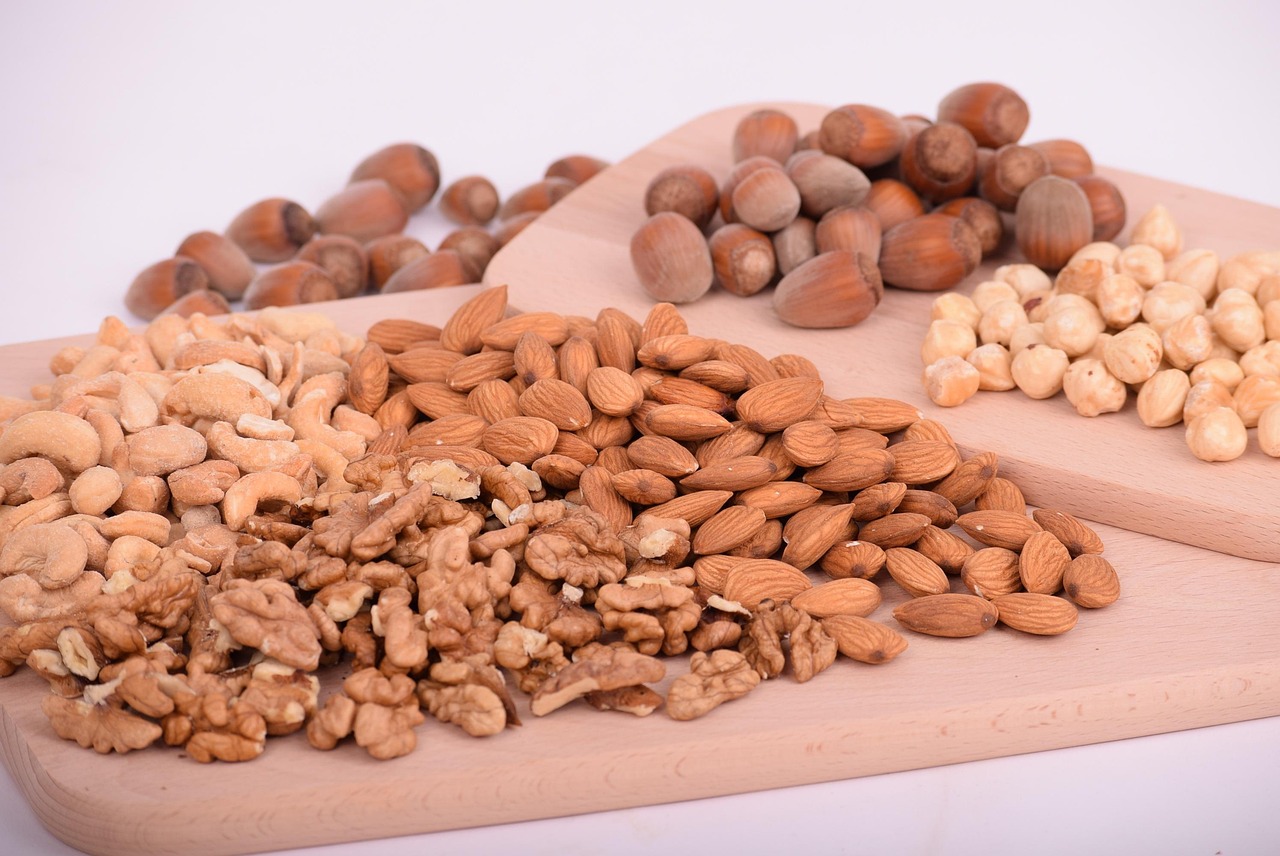
- Strategic Snacking: If three main meals aren’t enough to hit daily targets or per-meal thresholds, incorporate protein-rich snacks like a handful of nuts, a hard-boiled egg, cheese, or a small serving of Greek yogurt.
- Consider Protein Supplements: For those with reduced appetite or difficulty consuming enough whole foods, protein powders can be a convenient and effective way to increase protein intake and ensure even distribution.
Ultimately, the goal is to shift from a “protein-sparse” breakfast and lunch followed by a “protein-dense” dinner to a more balanced approach where each major eating occasion contributes meaningfully to the daily protein goal. This sustained delivery of amino acids is crucial for supporting the unique muscle maintenance challenges faced by older adults.
Conclusion
For older adults, optimizing protein intake extends beyond simply meeting a daily total. The strategic distribution of protein across meals is a critical, yet often overlooked, factor in supporting muscle health and combating age-related muscle loss. By aiming for higher overall protein intake (1.0-1.2 g/kg/day or more) and consciously spreading 25-30 grams of high-quality protein across three to four meals or snacks, older adults can more effectively stimulate muscle protein synthesis, prevent muscle breakdown, and support active, independent aging. This approach, combined with regular physical activity, provides a powerful strategy for maintaining strength and vitality through the later years.