As we age, maintaining muscle mass becomes increasingly important for overall health, mobility, and quality of life. A natural process called sarcopenia, or age-related muscle loss, can begin as early as our 30s and accelerate significantly after 60. While regular physical activity plays a crucial role, nutrition—specifically adequate protein intake—is equally vital. Incorporating protein-packed snacks throughout the day can be a highly effective strategy for older adults to combat muscle loss, support muscle repair, and sustain energy levels. This article explores practical, accessible, and often budget-friendly protein snack ideas tailored to the needs of older adults, helping to integrate muscle-preserving nutrition into daily routines.
High-Protein Snacks to Build Muscle and Keep Hunger at Bay
The goal of high-protein snacks for older adults extends beyond just satisfying hunger; it’s about providing the necessary building blocks for muscle protein synthesis. Unlike younger individuals who might focus on larger, infrequent protein doses, older adults often benefit from a more consistent distribution of protein throughout the day. This approach helps to maximize the body’s ability to utilize protein for muscle repair and maintenance.
Consider a mid-morning or afternoon snack that delivers 10-20 grams of protein. This amount is often sufficient to stimulate muscle protein synthesis without feeling overly full, allowing for regular meal patterns. For instance, a small container of Greek yogurt (about 15-18g protein) offers a quick, convenient option. Combining it with a handful of berries adds fiber and antioxidants. Another example could be a hard-boiled egg or two (6g per egg), which are easily digestible and portable.
The practical implications are clear: instead of reaching for empty-calorie snacks like chips or cookies, opting for protein-rich alternatives provides sustained energy and supports muscle health. This strategy also helps manage appetite, potentially reducing overeating at main meals. For individuals with reduced appetite or difficulty consuming large meals, these smaller, protein-dense snacks become even more critical in meeting daily protein requirements. The trade-off is often a slight increase in preparation time or cost compared to less nutritious options, but the long-term health benefits typically outweigh these minor considerations.
10 Best Low-Cost Protein Sources for Older Adults
Access to nutritious food shouldn’t be a luxury. Many excellent protein sources are also budget-friendly, making it easier for older adults to meet their dietary needs without financial strain. Prioritizing these options can significantly impact muscle health.
Here are 10 low-cost protein sources that are generally well-tolerated and versatile:
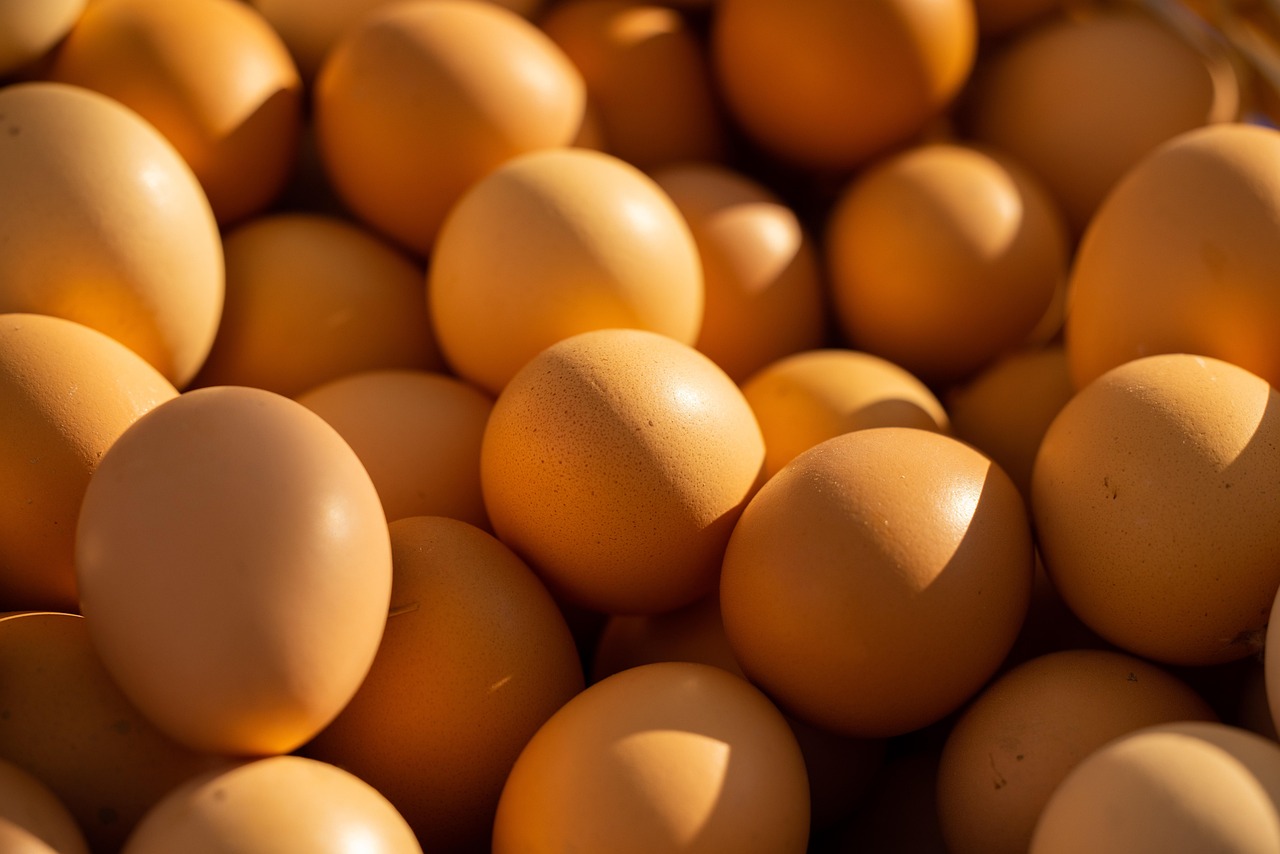
- Eggs: Inexpensive, versatile, and a complete protein. Hard-boiled eggs are perfect for quick snacks.
- Canned Tuna or Salmon: Excellent sources of protein and omega-3 fatty acids. Look for varieties packed in water to reduce fat.
- Cottage Cheese: High in casein protein, which digests slowly and provides a sustained release of amino acids.
- Plain Greek Yogurt: More protein than regular yogurt, often available in larger, more economical containers.
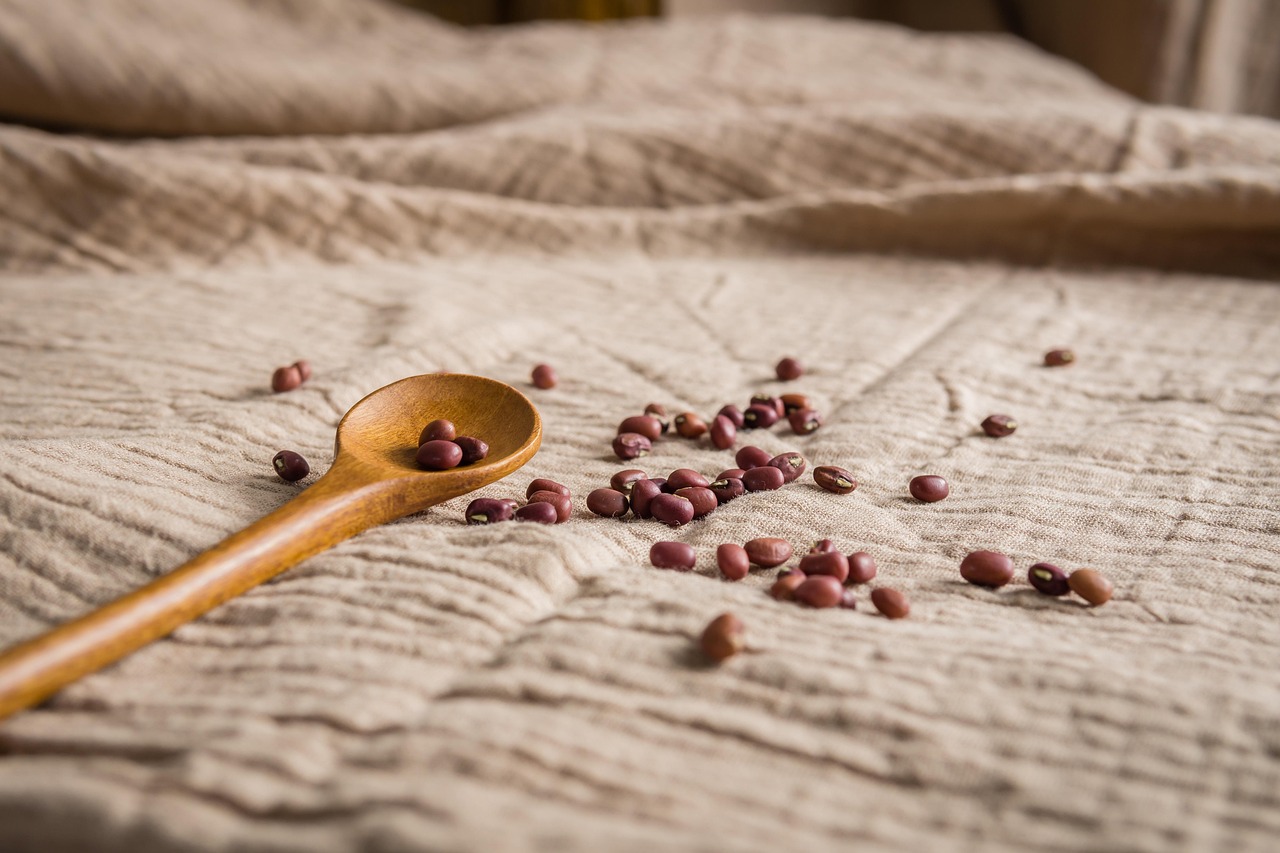
- Lentils and Beans (dried or canned): Plant-based powerhouses, rich in protein and fiber. Dried versions are incredibly cheap but require soaking and cooking. Canned varieties are convenient but check sodium content.
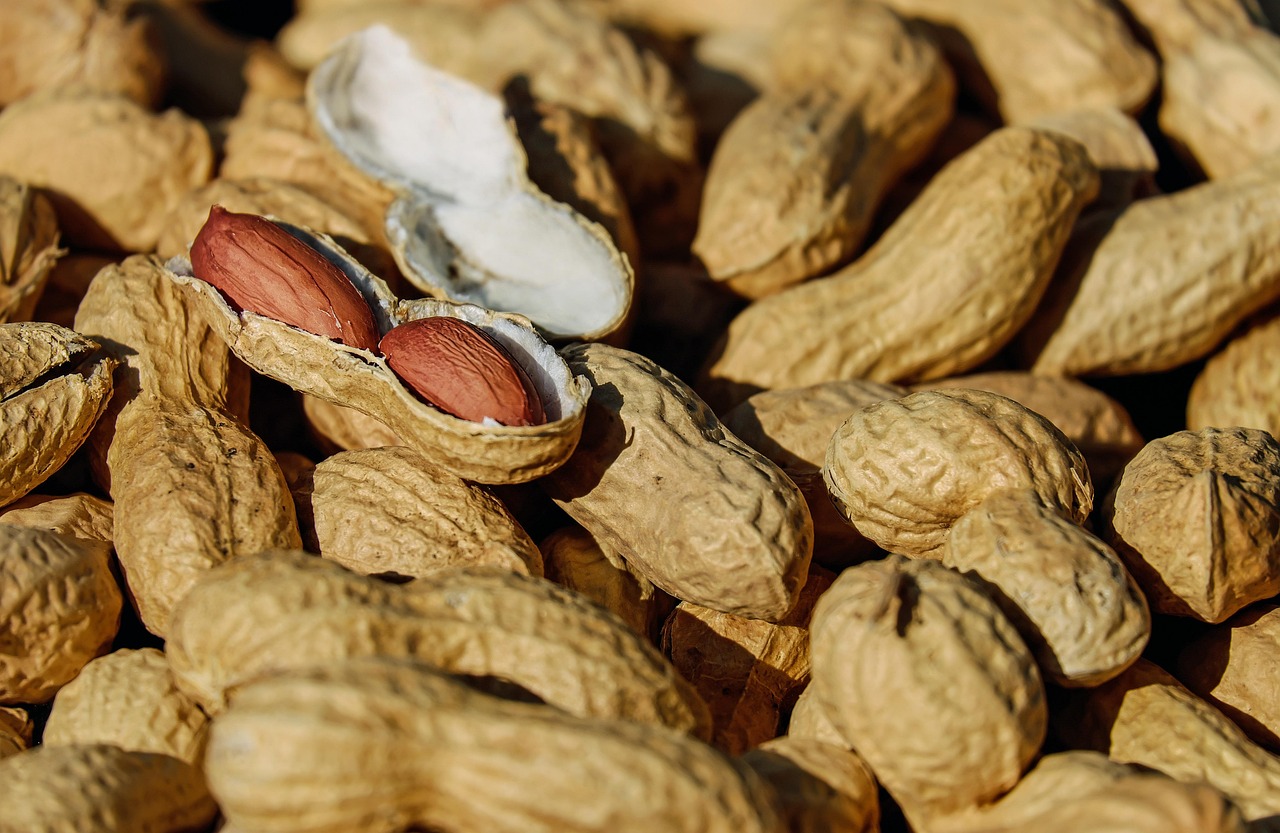
- Peanut Butter (natural, unsweetened): Affordable and versatile. Provides protein, healthy fats, and can be paired with many foods.
- Tofu (firm or extra-firm): A soy-based protein that takes on the flavor of whatever it’s cooked with. Very economical.
- Chicken Thighs/Drumsticks: Often cheaper than chicken breast and flavorful. Can be cooked in bulk and portioned.
- Frozen Edamame: A quick-to-prepare plant-based protein source.
- Milk (dairy or fortified soy/pea milk): Provides protein and calcium. Can be used in smoothies or consumed directly.
When considering these options, practical implications include preparation time. Canned goods, eggs, and yogurt require minimal effort, while dried beans or certain cuts of meat need more cooking. For individuals with dental issues, softer options like cottage cheese, yogurt, and well-cooked beans are preferable. The trade-off for lower cost might sometimes be slightly less convenience or a need for batch cooking, but these are manageable adjustments for significant nutritional gain.
Easy Protein-Filled Snacks for Seniors
Ease of preparation and consumption is paramount for older adults, particularly those with limited mobility, reduced dexterity, or decreased appetite. Snacks that require minimal effort and can be eaten without much fuss are more likely to be incorporated into daily routines.
Consider these simple, protein-rich snack ideas:
- Cheese Sticks or Cubes: Pre-portioned and easy to grab. Pair with a few whole-grain crackers for added fiber.
- Hard-Boiled Eggs: Prepare a batch at the beginning of the week for quick access. They’re portable and require no utensils.
- Cottage Cheese with Fruit: A spoon and a bowl are all you need. The fruit adds natural sweetness and vitamins.
- Greek Yogurt with a Sprinkle of Nuts or Seeds: Minimal prep, high protein. Nuts and seeds add healthy fats and crunch.
- Peanut Butter on Apple Slices or Celery Sticks: A classic, no-cook option. Offers protein, fiber, and healthy fats.
- Edamame (steamed): Frozen edamame pods can be microwaved in minutes. Fun to eat and packed with protein.
- Small Smoothie: Blend milk (dairy or fortified plant-based), a scoop of protein powder (if desired), and some fruit. Can be consumed with a straw if chewing is difficult.
- Leftover Cooked Chicken or Turkey Slices: A quick way to get protein. Can be eaten cold or warmed slightly.
- Tuna or Salmon Salad on Whole-Grain Crackers: Mix canned fish with a little mayonnaise or Greek yogurt, and serve on crackers.
- Protein Bars (carefully chosen): Look for bars with minimal added sugar and a good protein-to-calorie ratio. These are convenient for on-the-go.
When selecting snacks, consider individual preferences and any dietary restrictions or medical conditions. For example, individuals with swallowing difficulties might benefit more from smoothies or soft purees. Those with lactose intolerance can opt for lactose-free dairy or plant-based protein sources. The key is to make protein consumption as effortless and enjoyable as possible to ensure consistent intake.
High-Protein Foods and Physical Activity Protect Against Age-Related Muscle Loss
The synergy between adequate protein intake and regular physical activity is fundamental in combating sarcopenia. Protein provides the raw materials, and exercise provides the stimulus for muscle growth and repair. Without both, the effectiveness of either one is significantly diminished.
For older adults, this means not only consuming enough protein but also engaging in resistance training (strength exercises) and regular movement. Resistance training, such as lifting light weights, using resistance bands, or even bodyweight exercises like chair squats or wall push-ups, creates microscopic tears in muscle fibers. Protein then steps in to repair these tears, making the muscles stronger and slightly larger over time.
Think of it like building a house: protein is the bricks and mortar, and physical activity is the construction blueprint and labor. You can have all the bricks in the world, but without a plan and effort, no house gets built. Conversely, you can work tirelessly, but without enough building materials, the house will be weak or incomplete.
Practical implications include timing. Consuming protein shortly after a workout (within an hour or two) can be particularly beneficial, as muscles are primed for repair and growth during this “anabolic window.” A protein shake, a small meal with lean protein, or a protein-rich snack can serve this purpose. For those who cannot engage in strenuous exercise, even light activity like walking or gardening, combined with sufficient protein, can help mitigate muscle loss. The trade-off might be the need for a structured approach to both diet and exercise, potentially requiring guidance from a healthcare professional or a certified trainer to ensure safety and effectiveness.
Best High Protein Foods for Older Adults
Beyond snacks, integrating high-protein foods into main meals is equally important for older adults. A balanced diet that consistently provides protein at each meal helps ensure daily requirements are met, supporting muscle health around the clock.
Here’s a breakdown of some of the best high-protein foods, categorized for clarity:
Animal-Based Proteins
- Lean Meats: Chicken breast, turkey, lean beef, pork loin. These are complete proteins, providing all essential amino acids.
- Fish: Salmon, tuna, cod, tilapia. Excellent sources of protein and often rich in omega-3 fatty acids, which have anti-inflammatory benefits.
- Eggs: Highly bioavailable protein, versatile for any meal.
- Dairy Products: Milk, Greek yogurt, cottage cheese, hard cheeses. Provide protein, calcium, and often vitamin D.
Plant-Based Proteins
- Legumes: Lentils, black beans, chickpeas, kidney beans. Rich in protein, fiber, and various micronutrients.
- Soy Products: Tofu, tempeh, edamame, fortified soy milk. Complete plant proteins.
- Nuts and Seeds: Almonds, walnuts, chia seeds, flax seeds, pumpkin seeds. Offer protein, healthy fats, and fiber.
- Whole Grains: Quinoa, oats, brown rice. While not as protein-dense as other sources, they contribute to overall protein intake and provide complex carbohydrates.
When making food choices, consider preparation methods. Baking, grilling, or steaming are generally healthier than frying. For older adults with chewing or swallowing difficulties, softer options like ground meats, flaked fish, pureed beans, or smoothies are advisable.
A common scenario might involve an older adult who finds it challenging to eat a large steak. Instead, they could opt for smaller portions of ground turkey in a chili, flaked salmon in a salad, or a protein-fortified soup. The practical implication is adapting meal structures and food textures to individual needs while maintaining protein density.
Comparison of Protein Sources for Older Adults
| Protein Source | Protein per Serving (approx.) | Key Benefits | Considerations for Older Adults | Cost-Effectiveness |
|---|---|---|---|---|
| Greek Yogurt | 15-20g (6oz) | High protein, calcium, probiotics | Soft texture, easy to digest, versatile. Look for low sugar. | Moderate |
| Hard-Boiled Eggs | 6g (1 large) | Complete protein, convenient, versatile | Easy to chew, portable. | High |
| Canned Tuna/Salmon | 20-25g (3oz) | High protein, Omega-3s | Soft, easy to prepare. Choose water-packed, lower sodium. | High |
| Cottage Cheese | 12-14g (1/2 cup) | Casein protein (slow-digesting), calcium | Soft texture, good for those with chewing issues. | High |
| Lentils/Beans | 7-9g (1/2 cup cooked) | Plant-based protein, fiber, low GI | Can be pureed for easier consumption. May cause gas for some. | Very High |
| Tofu | 10-15g (1/2 cup firm) | Plant-based complete protein, versatile | Can be soft or firm, depending on preparation. Takes on flavors well. | High |
| Peanut Butter | 7-8g (2 tbsp) | Protein, healthy fats, energy | Creamy texture, good with softer foods like bananas. Ensure no choking hazard with sticky texture. Choose natural, unsweetened. | High |
| Chicken Breast | 25-30g (3oz) | Lean, complete protein | Can be dry; moist preparation (stewed, shredded) better for chewing. | Moderate |
| Protein Powder | 20-30g (1 scoop) | Concentrated protein, convenient | Mixes into smoothies/drinks, good for those with low appetite. Choose minimal ingredients, low sugar. | Low to Moderate |
This table highlights that there are numerous options to suit various dietary needs, preferences, and budgets. The key is to diversify protein sources to ensure a wide range of nutrients and amino acids.
Conclusion
Fighting age-related muscle loss, or sarcopenia, is a multifaceted endeavor where nutrition plays a starring role. For older adults, strategically incorporating protein-packed snacks throughout the day, alongside protein-rich main meals and regular physical activity, is a highly effective approach. By choosing accessible, often low-cost, and easy-to-prepare protein sources, individuals can proactively support muscle maintenance, improve strength, and enhance their overall quality of life. The focus should be on consistent protein intake, adapting food choices to personal needs and preferences, and recognizing that every protein-rich bite contributes to long-term health and independence.