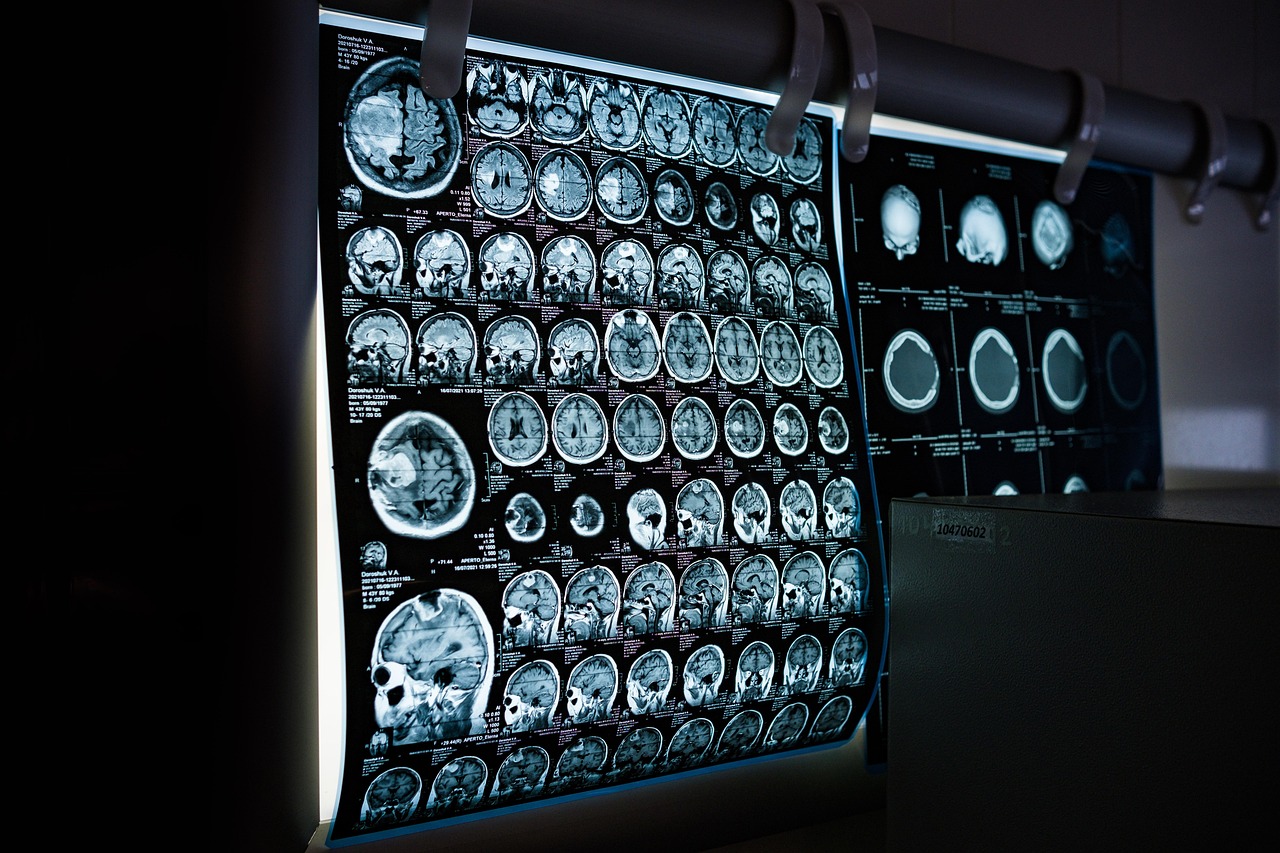

Sarcopenic obesity represents a complex health challenge where sarcopenia (age-related muscle loss) and obesity (excess body fat) coexist. Far from being two separate issues, their interaction accelerates decline in physical function, metabolic health, and overall quality of life. While genetics and aging play roles, lifestyle factors like sleep and stress significantly influence the development and progression of sarcopenic obesity. Understanding these connections offers actionable pathways for prevention and management.
Understanding Sarcopenic Obesity
Before delving into sleep and stress, it’s essential to define sarcopenic obesity. Sarcopenia is characterized by progressive and generalized loss of skeletal muscle mass, strength, and function. Obesity, on the other hand, is defined by excessive body fat accumulation. When these two conditions occur together, the consequences are often more severe than either condition alone.
The presence of sarcopenic obesity is particularly concerning because it leads to:
- Reduced physical performance: Daily tasks become harder, increasing the risk of falls and frailty.
- Worsened metabolic health: Insulin resistance, type 2 diabetes, and cardiovascular disease risk increase.
- Higher inflammation: Adipose tissue (fat) is metabolically active and can release pro-inflammatory cytokines, which can further exacerbate muscle loss.
- Decreased quality of life: Independence can diminish, and overall well-being suffers.
The underlying mechanisms are multifactorial, involving hormonal changes, chronic inflammation, reduced physical activity, and nutritional deficiencies. Critically, lifestyle choices often act as amplifiers or mitigators of these processes.
The Impact of Sleep Deprivation on Sarcopenia and Obesity
Sleep is not merely a period of rest; it’s an active process vital for physiological repair, hormonal regulation, and cognitive function. Chronic sleep deprivation or poor sleep quality disrupts these processes, creating a fertile ground for sarcopenic obesity.
Hormonal Dysregulation
Insufficient sleep profoundly impacts hormones that regulate appetite, metabolism, and muscle protein synthesis:
- Growth Hormone (GH): GH is primarily released during deep sleep. It plays a crucial role in muscle repair, growth, and fat metabolism. Sleep deprivation reduces GH secretion, potentially hindering muscle maintenance and recovery.
- Cortisol: Often called the “stress hormone,” cortisol levels naturally peak in the morning and decline throughout the day. Sleep deprivation can elevate evening cortisol levels, promoting fat storage (especially visceral fat around organs) and increasing muscle protein breakdown.
- Insulin Sensitivity: Poor sleep can lead to insulin resistance, where cells become less responsive to insulin. This means the body needs to produce more insulin to manage blood sugar, which can promote fat storage and impede muscle glucose uptake.
- Ghrelin and Leptin: Ghrelin, the “hunger hormone,” increases with sleep deprivation, while leptin, the “satiety hormone,” decreases. This hormonal imbalance can lead to increased appetite, cravings for high-calorie foods, and overeating, contributing to weight gain and fat accumulation.
Inflammation and Oxidative Stress
Lack of sleep can trigger a low-grade systemic inflammatory response. Elevated levels of inflammatory markers like C-reactive protein (CRP) and interleukins (IL-6) are often observed in individuals with insufficient sleep. Chronic inflammation can directly contribute to muscle protein degradation and hinder muscle repair processes, accelerating sarcopenia. Simultaneously, inflammation is a known driver of obesity, creating a vicious cycle.
Physical Activity and Energy Expenditure
Sleep deprivation often results in fatigue, reduced motivation, and impaired cognitive function. These effects can lead to decreased physical activity and exercise adherence. Less movement means fewer calories burned and less stimulus for muscle maintenance and growth, further exacerbating both muscle loss and fat gain. Individuals may also make less healthy food choices due to fatigue and impaired decision-making.
The Association of Sleep Duration with Sarcopenic Obesity
Research consistently points to a U-shaped relationship between sleep duration and various health outcomes, including sarcopenic obesity. Both too little and, to a lesser extent, too much sleep can be problematic.
Short Sleep Duration (Typically < 7 hours)
The link between short sleep duration and obesity is well-established. Studies show that individuals who consistently sleep less than 7 hours per night tend to have higher BMIs, greater abdominal fat, and an increased risk of developing metabolic syndrome. This is largely attributed to the hormonal and inflammatory pathways discussed above.
Regarding sarcopenia, shorter sleep duration has been associated with:
- Lower muscle mass: Reduced growth hormone, elevated cortisol, and increased inflammation can all contribute to a net loss of muscle protein.
- Decreased muscle strength: Fatigue and impaired recovery from activity can hinder strength maintenance.
- Increased frailty: The combination of reduced muscle mass and strength, coupled with fatigue, increases the risk of physical frailty.
Long Sleep Duration (Typically > 9-10 hours)
While less studied than short sleep, excessively long sleep duration has also been linked to negative health outcomes, including an increased risk of obesity and, in some studies, sarcopenia. The reasons for this are less clear but may involve:
- Underlying health issues: People who sleep excessively might be doing so because of undiagnosed medical conditions, depression, or chronic pain, which themselves can contribute to sarcopenic obesity.
- Sedentary lifestyle: Longer sleep duration might correlate with a more sedentary lifestyle, leading to less physical activity and thus contributing to muscle loss and fat gain.
- Inflammation: Some research suggests that very long sleep durations might also be associated with elevated inflammatory markers, similar to short sleep.
The optimal sleep duration for most adults is generally considered to be 7-9 hours per night. Deviating significantly from this range, especially towards shorter durations, appears to increase the risk of sarcopenic obesity.
Sleep Disturbances and Biomarkers of Sarcopenic Obesity
Beyond just duration, the quality of sleep, characterized by its continuity and depth, also plays a critical role. Sleep disturbances, such as frequent awakenings, sleep apnea, or insomnia, can be particularly detrimental.
Biomarkers of Muscle Health
Poor sleep quality can negatively affect several biomarkers related to muscle health:
- Creatine Kinase (CK): Often used as a marker of muscle damage. Some studies suggest that sleep deprivation can increase CK levels, indicating inadequate muscle recovery.
- Myostatin: A protein that inhibits muscle growth. Elevated myostatin levels can contribute to muscle wasting. While direct links to sleep are still being explored, hormonal imbalances due to poor sleep could indirectly influence myostatin activity.
- Muscle Protein Synthesis (MPS): The process by which the body builds new muscle proteins. Adequate sleep is crucial for optimal MPS, particularly during recovery from exercise. Sleep deprivation can impair MPS, hindering muscle repair and growth.
Biomarkers of Adiposity and Metabolic Health
Sleep disturbances are linked to changes in biomarkers associated with fat accumulation and metabolic dysfunction:
- Adiponectin and Leptin: Adiponectin is an anti-inflammatory hormone produced by fat cells that improves insulin sensitivity. Leptin regulates appetite. Poor sleep can reduce adiponectin and disrupt leptin signaling, promoting fat gain and insulin resistance.
- Fasting Glucose and Insulin: Elevated fasting glucose and insulin levels are indicative of impaired glucose metabolism and insulin resistance, both exacerbated by chronic sleep deprivation.
- Triglycerides and Cholesterol: Sleep disturbances can negatively impact lipid profiles, increasing triglycerides and sometimes LDL (“bad”) cholesterol, contributing to cardiovascular risk factors often seen with obesity.
The Risks of Sarcopenic Obesity in Midlife
Midlife (typically ages 40-65) is a critical period where lifestyle choices significantly influence the trajectory of health into older age. Sarcopenic obesity often begins to manifest or accelerate during this time, making it a crucial window for intervention.
Age-Related Changes
As people age, several physiological changes naturally occur that increase the risk of sarcopenic obesity:
- Hormonal Shifts: Declines in sex hormones (testosterone in men, estrogen in women) and growth hormone can accelerate muscle loss and promote fat deposition.
- Reduced Physical Activity: Lifestyle adjustments, work demands, or health issues can lead to decreased activity levels.
- Metabolic Slowdown: Basal metabolic rate tends to decrease with age, meaning fewer calories are burned at rest.
- Increased Inflammation: Chronic low-grade inflammation, or “inflammaging,” becomes more prevalent with age and contributes to both muscle loss and fat gain.
When combined with poor sleep and chronic stress, these age-related changes are exacerbated, accelerating the development of sarcopenic obesity. A person entering midlife with existing sleep issues or high stress levels is at a significantly higher risk of experiencing rapid decline in muscle mass and accumulation of visceral fat.
Practical Implications for Midlife Adults
The practical implications for midlife adults are substantial. The onset of sarcopenic obesity in midlife can lead to:
- Earlier onset of frailty: Making individuals more susceptible to falls and injuries.
- Increased burden of chronic diseases: Such as type 2 diabetes, heart disease, and osteoarthritis.
- Reduced independence in later life: As physical function declines.
- Higher healthcare costs: Due to increased medical needs and treatments.
Therefore, addressing sleep and stress in midlife is not just about feeling better in the short term; it’s an investment in long-term health and independence.
Stress and its Role in Muscle Loss and Fat Gain
Stress, both acute and chronic, initiates a cascade of physiological responses designed to help the body cope with perceived threats. While acute stress can be beneficial, chronic stress, common in modern life, has detrimental effects that mirror and amplify those of sleep deprivation, directly contributing to sarcopenic obesity.
The Cortisol Connection
The primary mechanism linking stress to sarcopenic obesity is the sustained elevation of cortisol. When stressed, the adrenal glands release cortisol. While essential for mobilizing energy for a “fight or flight” response, chronically high cortisol levels have several negative impacts:
- Muscle Protein Breakdown: Cortisol is catabolic, meaning it promotes the breakdown of tissues. Prolonged elevation leads to increased muscle protein degradation and hinders muscle protein synthesis, directly contributing to sarcopenia.
- Fat Redistribution: Chronic cortisol exposure tends to promote the accumulation of visceral fat (fat around abdominal organs), which is particularly metabolically unhealthy and linked to insulin resistance and inflammation.
- Increased Appetite and Cravings: Cortisol can stimulate appetite, especially for high-calorie, high-sugar “comfort foods,” leading to increased calorie intake and weight gain.
- Insulin Resistance: Similar to sleep deprivation, chronic stress and high cortisol can induce insulin resistance, making it harder for cells to absorb glucose and promoting fat storage.
Inflammation and Oxidative Stress
Chronic psychological stress can activate inflammatory pathways in the body, leading to a state of low-grade systemic inflammation. This inflammation contributes to sarcopenia by promoting muscle protein breakdown and inhibiting muscle regeneration. It also fuels obesity by impairing metabolic function and contributing to insulin resistance. Oxidative stress, an imbalance between free radicals and antioxidants, can also increase with chronic stress, damaging cells and tissues, including muscle.
Behavioral Changes
Stress often leads to behavioral changes that exacerbate sarcopenic obesity:
- Reduced Physical Activity: Stressed individuals may feel too overwhelmed or fatigued to exercise.
- Poor Dietary Choices: Reliance on convenience foods, emotional eating, and skipping meals are common stress-coping mechanisms that contribute to unhealthy diets.
- Disrupted Sleep: Stress is a leading cause of insomnia and other sleep disturbances, creating a direct link back to the negative impacts of sleep deprivation.
Lifestyle Factors You Can Control
The interconnectedness of sleep, stress, sarcopenia, and obesity means that addressing one area can have positive ripple effects on the others. The good news is that these are largely modifiable lifestyle factors.
Strategies for Improving Sleep
- Establish a Consistent Sleep Schedule: Go to bed and wake up at roughly the same time every day, even on weekends.
- Optimize Your Sleep Environment: Keep your bedroom dark, quiet, cool, and comfortable.
- Limit Screen Time Before Bed: The blue light emitted by electronic devices can interfere with melatonin production.
- Avoid Caffeine and Alcohol Before Bed: Both can disrupt sleep architecture.
- Regular Physical Activity: Exercise can improve sleep quality, but avoid intense workouts close to bedtime.
- Mindfulness and Relaxation Techniques: Practices like meditation or deep breathing can calm the mind before sleep.
Strategies for Managing Stress
- Identify Stressors: Understanding what triggers your stress is the first step toward managing it.
- Regular Exercise: Physical activity is a powerful stress reliever, helping to reduce cortisol and release endorphins.
- Mindfulness and Meditation: These practices can promote relaxation, reduce anxiety, and improve emotional regulation.
- Time Management and Prioritization: Learning to manage your time effectively can reduce feelings of overwhelm.
- Social Connection: Spending time with loved ones and engaging in social activities can provide support and reduce stress.
- Hobbies and Relaxation: Dedicate time to activities you enjoy that allow you to unwind.
- Seek Professional Support: If stress feels overwhelming, a therapist or counselor can provide valuable coping strategies.
Strategies for Combating Sarcopenia and Obesity
These strategies are often intertwined with sleep and stress management:
- Resistance Training: Essential for building and maintaining muscle mass. Aim for at least two sessions per week.
- Adequate Protein Intake: Consume sufficient protein to support muscle protein synthesis, especially as you age.
- Balanced Nutrition: Focus on whole, unprocessed foods, including plenty of fruits, vegetables, and healthy fats.
- Hydration: Water is crucial for metabolic processes and overall health.
- Regular Physical Activity: Beyond resistance training, incorporate cardiovascular exercise and daily movement.
Interconnectedness of Lifestyle Factors
The following table illustrates how improving one lifestyle factor can positively influence others, creating a virtuous cycle:
| Lifestyle Factor Improved | Positive Impact on Sleep | Positive Impact on Stress | Positive Impact on Sarcopenia/Obesity |
|---|---|---|---|
| Better Sleep | Enhanced cognitive function, mood regulation | Reduced cortisol, improved emotional resilience | Hormonal balance (GH, leptin/ghrelin), better recovery for muscle, less fat storage |
| Reduced Stress | Easier to fall asleep, more restful sleep | Improved mood, clearer thinking, sense of control | Lower cortisol, reduced emotional eating, increased motivation for activity |
| Regular Exercise | Deeper, more restorative sleep | Reduced cortisol, release of endorphins, improved mood | Builds muscle, burns fat, improves insulin sensitivity, boosts metabolism |
| Balanced Nutrition | Stable blood sugar, less nighttime hunger/discomfort | Reduced inflammatory load, better energy for coping | Supports muscle protein synthesis, aids fat loss, provides energy for activity |
Conclusion
Sarcopenic obesity is a growing health concern, particularly as populations age. While it stems from a combination of factors, the roles of sleep and stress are increasingly recognized as powerful, modifiable influences. Chronic sleep deprivation and persistent stress disrupt hormonal balance, fuel inflammation, and negatively impact behavioral choices, all of which accelerate muscle loss and fat gain.
The good news is that these are not inevitable outcomes. By proactively addressing sleep hygiene, implementing stress management techniques, and engaging in regular resistance training and balanced nutrition, individuals can exert significant control over their metabolic health. Investing in these lifestyle factors, especially during midlife, offers a robust defense against sarcopenic obesity and paves the way for healthier, more independent aging.