
Sarcopenia, the age-related loss of muscle mass, strength, and function, is a condition that often goes unnoticed until it significantly impacts daily life. While a definitive diagnosis requires clinical assessment, several simple self-tests and questionnaires can offer a preliminary indication of your muscle health at home. These tools are not replacements for professional medical advice but can serve as valuable starting points for discussions with healthcare providers. Understanding your risk can empower you to take proactive steps toward maintaining muscle health as you age.
Sarcopenia Self-screening Made Easy With SARC-F
The SARC-F questionnaire is a widely recognized and straightforward tool for sarcopenia self-screening at home. It’s designed to identify individuals at risk of sarcopenia by asking about common symptoms. The “F” in SARC-F stands for “Fatigue,” “Resistance,” “Ambulation,” “Illnesses,” and “Stairs,” which are the five key areas it assesses. Each question relates to a functional aspect of daily living that often deteriorates with muscle loss.
The core idea behind SARC-F is to quickly gauge a person’s perceived muscle strength and functional abilities. It’s a subjective measure, relying on your self-assessment of how well you perform certain tasks. For example, the “Resistance” component might ask about your difficulty in lifting or carrying objects, while “Ambulation” could inquire about problems walking across a room.
Practical Implications: A higher score on the SARC-F suggests a greater likelihood of having sarcopenia. This doesn’t mean you have the condition, but it flags you as someone who should consider further evaluation by a doctor. It’s particularly useful for those who might not yet be experiencing severe symptoms but are noticing subtle changes.
Trade-offs: The SARC-F is quick and easy to administer, requiring no special equipment. However, its reliance on self-reporting means it can be influenced by individual perception and honesty. Someone might downplay their difficulties, or conversely, overstate them. It also doesn’t directly measure muscle mass or strength, only their functional consequences.
Example Scenario: Imagine a 70-year-old who has started finding it harder to carry groceries (Resistance) or feels more tired after short walks (Fatigue). A SARC-F score reflecting these difficulties would prompt them to discuss these changes with their physician, potentially leading to early intervention.
SARC-F: A Simple Questionnaire to Rapidly Diagnose
Building on the previous point, let’s look at the SARC-F questions themselves and how they contribute to identifying potential sarcopenia. The questionnaire is structured to be easily understood and completed by individuals without medical training.
Here’s a breakdown of the typical SARC-F questions and their scoring:
| Question Category | Description | Score (0-2 points) |
|---|---|---|
| Strength | How much difficulty do you have lifting or carrying 10 pounds? | 0 = No difficulty, 1 = Some difficulty, 2 = A lot of difficulty or unable |
| Assistance | How much difficulty do you have walking across a room? | 0 = No difficulty, 1 = Some difficulty, 2 = A lot of difficulty or unable, or use aid |
| Rise from a Chair | How much difficulty do you have transferring from a chair or bed? | 0 = No difficulty, 1 = Some difficulty, 2 = A lot of difficulty or unable, or use aid |
| Climb Stairs | How much difficulty do you have climbing 10 steps? | 0 = No difficulty, 1 = Some difficulty, 2 = A lot of difficulty or unable |
| Falls | How many times have you fallen in the past year? | 0 = 0 falls, 1 = 1-3 falls, 2 = 4 or more falls |
| Total Score | Sum of points from all five questions. A score of 4 or more indicates a high risk of sarcopenia. |
Practical Implications: A score of 4 or higher suggests a significant risk. This is a threshold identified in studies to have a reasonable sensitivity and specificity for detecting sarcopenia. It’s a quick filter to determine if a more comprehensive assessment is warranted.
Trade-offs: While effective as a screening tool, the SARC-F isn’t a diagnostic tool itself. A high score doesn’t definitively mean you have sarcopenia, nor does a low score guarantee you don’t. It’s a snapshot of perceived function, not a direct measure of muscle mass (which is a key component of sarcopenia diagnosis). For instance, someone with arthritis might score high on “Climb Stairs” but not necessarily have sarcopenia.
Example Scenario: An individual scores 1 on Strength, 0 on Assistance, 2 on Rise from a Chair, 1 on Climb Stairs, and 0 on Falls, totaling 4 points. This score would alert them to a potential sarcopenia risk and encourage them to seek medical advice for further tests like a grip strength measurement or a body composition scan.
Portable Digital Monitoring System for Sarcopenia Screening
Beyond questionnaires, technology is increasingly offering new avenues for sarcopenia self-test at home. Portable digital monitoring systems, while not yet ubiquitous for consumer use, represent a future direction for more objective home-based screening. These systems can range from advanced smartwatches tracking activity levels to specialized devices measuring grip strength or even rudimentary body composition.
The core idea is to move beyond subjective self-reporting to capture objective data relevant to muscle health. For instance, a wearable device might monitor your daily steps, the speed of your walking, or even your heart rate during activity, all of which can indirectly reflect functional capacity. More advanced (though less common for home use currently) devices might incorporate bioelectrical impedance analysis (BIA) to estimate body composition, including muscle mass.
Practical Implications: Such systems offer the potential for continuous monitoring and early detection of changes that might indicate sarcopenia progression. They could provide data trends over time, which is more powerful than a single snapshot. For example, a consistent decline in walking speed or a significant drop in activity levels, as tracked by a wearable, could be an early warning.
Trade-offs: The main trade-off is accessibility and cost. Many specialized devices are still in research or clinical settings. Consumer wearables, while common, often lack the precision or specific metrics needed for direct sarcopenia screening. Data interpretation can also be complex, requiring algorithms and potentially professional oversight. Privacy concerns with health data are another consideration.
Example Scenario: Imagine a future where a smart scale not only measures weight but also estimates muscle mass via BIA, and a linked app tracks your walking speed and chair stand test performance over months. If the app detects a consistent downward trend in muscle mass and functional performance, it could alert you and suggest consulting a doctor, providing concrete data to support the concern.
Assess Your Sarcopenia Risk with SARC-F Questionnaire
The SARC-F questionnaire’s effectiveness lies in its simplicity and its focus on functional decline, which is a hallmark of sarcopenia. While not a standalone diagnostic tool, it serves as an excellent initial filter for individuals concerned about their muscle health.
To reiterate, the SARC-F assesses five key areas:
- Strength: Difficulty lifting or carrying 10 pounds.
- Assistance: Difficulty walking across a room.
- Rise from a Chair: Difficulty getting up from a chair or bed.
- Climb Stairs: Difficulty climbing 10 steps.
- Falls: Number of falls in the past year.
Each question is scored from 0 to 2, with a total score ranging from 0 to 10. A score of 4 or higher is considered indicative of increased risk.
Practical Implications: Performing the SARC-F at home requires no special preparation. You simply reflect on your experiences over the past weeks or months. This self-assessment can be a powerful motivator for seeking professional advice. If you score high, it’s a clear signal that a conversation with your doctor about your muscle health is warranted.
Trade-offs: The subjective nature of the SARC-F means it might miss some cases of sarcopenia (false negatives) or incorrectly identify others (false positives). For example, someone with chronic pain might report difficulty with activities even if their muscle mass is relatively preserved. Conversely, a very active person might compensate for early muscle loss, leading to a lower score despite underlying sarcopenia. It’s a screening tool, not a definitive diagnosis.
Example Scenario: A person in their late 60s, feeling generally well but noticing a slight decrease in their ability to keep up with grandchildren during activities that involve climbing or prolonged walking, decides to take the SARC-F. They score a 5, indicating a moderate risk. This prompts them to schedule an appointment with their primary care physician to discuss their concerns and potentially undergo further clinical tests.
Pilot Study to Assess the Ability of a 4-Week, Home-Based, …
While direct references to specific pilot studies are outside the scope of this general discussion, the mention of “a 4-Week, Home-Based” intervention highlights an important trend: the growing interest in home-based strategies for both screening and intervention for sarcopenia. These studies often explore the feasibility and effectiveness of simple exercises, dietary changes, or monitoring protocols that can be implemented without frequent clinic visits.
The core idea behind such pilot studies is to test whether accessible, low-cost, and easily integrated home-based programs can positively impact muscle health or aid in early detection. This often involves participants performing specific exercises, tracking their progress, or completing questionnaires over a set period.
Practical Implications: If successful, these studies pave the way for widely available, practical home-based programs that individuals can adopt to prevent or manage sarcopenia. This could include structured exercise routines that use body weight or simple resistance bands, nutritional guidance focusing on protein intake, or regular self-assessments like the Timed Up and Go test.
Trade-offs: Pilot studies, by their nature, are small-scale and preliminary. Their findings need to be replicated in larger, more diverse populations before they can be considered definitive. Adherence to home-based programs can also be a challenge, as there’s no direct supervision. The effectiveness might vary significantly among individuals due to differing motivation levels, baseline health, and access to resources.
Example Scenario: A hypothetical pilot study might ask participants over 65 to perform a set of chair stands and bicep curls with light weights three times a week for a month, alongside daily protein tracking. They might also complete the SARC-F questionnaire at the beginning and end. If the study shows improvements in SARC-F scores and functional performance, it suggests that simple, home-based interventions can be beneficial and could form the basis for future public health recommendations.
Screening Tools for Sarcopenia for Sarcopenia Self-Test at Home
Beyond the SARC-F, several other simple, functional tests can be adapted for a sarcopenia self-test at home. These tests focus on objective measures of physical performance, which are strong indicators of muscle strength and function.
Here are a few common and easily performed home muscle tests:
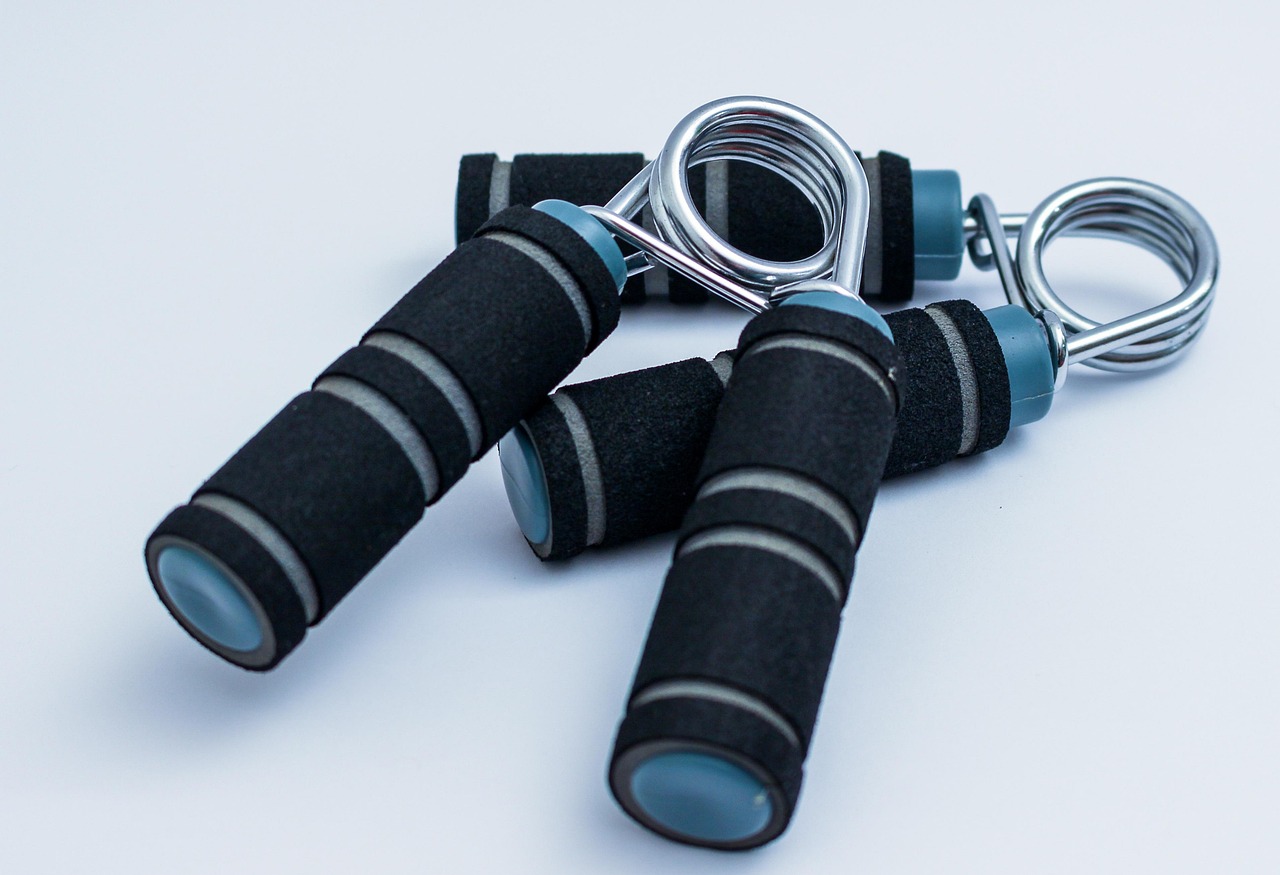
Grip Strength Test (Informal): While a dynamometer is used clinically, you can get a rough idea. Can you open a jar that’s usually easy? Can you wring out a heavy towel effectively? A noticeable decline in these everyday tasks might signal reduced grip strength.
- Practical Implications: Reduced grip strength is a key indicator of overall muscle weakness and is strongly correlated with sarcopenia risk.
- Trade-offs: This is highly subjective and not quantitative. It can also be affected by hand conditions like arthritis.
Timed Up and Go (TUG) Test:
- Procedure: Sit in a standard chair. Stand up, walk 10 feet (3 meters) at your normal pace, turn around, walk back to the chair, and sit down. Time how long this takes.
- Interpretation:
- Under 10 seconds: Generally good mobility.
- 10-19 seconds: Typically independent, but might have some mobility issues.
- 20-29 seconds: At increased risk of falls.
- 30 seconds or more: Significant mobility impairment and high fall risk, often indicative of sarcopenia.
- Practical Implications: The TUG test assesses balance, gait speed, and functional mobility. It’s a robust indicator of lower body strength and overall physical function.
- Trade-offs: Requires a clear 10-foot path. Performance can be affected by fear of falling or other conditions not directly related to muscle strength.
Chair Stand Test (5-Repetition Chair Stand Test):
- Procedure: Sit in a chair with your back straight and feet flat on the floor. Without using your hands, stand up completely and then sit back down. Repeat this 5 times as quickly as possible. Time how long it takes.
- Interpretation:
- Typically, completing 5 stands in less than 15 seconds is considered good.
- Taking 15 seconds or more may indicate lower body weakness.
- Practical Implications: This test directly measures lower body strength and power, crucial for daily activities like getting out of a chair or bed.
- Trade-offs: Can be challenging for individuals with knee or hip pain, or significant balance issues.
Calf Circumference Measurement:
- Procedure: Measure the circumference of your dominant calf at its widest point while standing.
- Interpretation: A calf circumference below 31 cm (about 12.2 inches) in both men and women is often used as a preliminary indicator of low muscle mass, particularly in Asian populations, though thresholds can vary by ethnicity.
- Practical Implications: This is a simple, non-invasive proxy for overall muscle mass, especially in the lower limbs.
- Trade-offs: It’s a crude measure and can be influenced by swelling or fat distribution. It’s not a direct measure of muscle mass but a screening indicator.
| Sarcopenia Self-Test | What it Measures | Pros | Cons |
|---|---|---|---|
| SARC-F | Perceived functional limitations and falls risk | Quick, no equipment, easy to understand | Subjective, not a direct measure of muscle mass or strength |
| Timed Up & Go | Functional mobility, balance, gait speed | Objective, correlates with fall risk and sarcopenia | Requires clear space, can be influenced by non-muscle issues |
| Chair Stand Test | Lower body strength | Objective, good indicator of functional strength | Can be difficult for those with joint pain, not for upper body strength |
| Calf Circumference | Proxy for lower body muscle mass | Very simple, non-invasive, no equipment needed (just tape measure) | Crude measure, influenced by fat, ethnic variations in thresholds |
Practical Implications: These home muscle tests, when combined with the SARC-F, provide a more comprehensive picture of your muscle health. If you consistently find yourself struggling with these tests or scoring in the higher-risk categories, it’s a strong signal to consult a healthcare professional.
Trade-offs: None of these tests are definitive diagnostic tools on their own. They are screening measures. A clinical diagnosis of sarcopenia typically involves assessing muscle mass (e.g., using DEXA scan), muscle strength (e.g., handgrip dynamometer), and physical performance (e.g., TUG test, gait speed).
Example Scenario: An individual performs the Timed Up and Go test and takes 22 seconds, indicating an increased fall risk. They also struggle with the Chair Stand Test, taking 18 seconds for 5 repetitions. These objective findings, coupled with a SARC-F score of 6, create a compelling case for them to seek a comprehensive medical evaluation for sarcopenia.
FAQ
What are four symptoms of sarcopenia?
Four common symptoms of sarcopenia include:
- Weakness: Difficulty with everyday tasks that used to be easy, like lifting groceries or opening jars.
- Slow Walking Speed: A noticeable decrease in your usual pace, making it harder to keep up with others or cross the street quickly.
- Difficulty with Physical Activities: Struggling to stand up from a chair, climb stairs, or maintain balance.
- Increased Falls: Experiencing more frequent trips or falls due to reduced muscle strength and balance.
What is the most reliable screening tool for sarcopenia?
While no single “most reliable” screening tool exists for a definitive diagnosis, the SARC-F questionnaire is widely considered the most practical and validated self-screening tool for initial risk assessment at home. For clinical screening, the combination of SARC-F with gait speed or grip strength is often recommended as a robust approach. A definitive diagnosis, however, requires objective measures of muscle mass, strength, and physical performance as per international consensus definitions.
Can a 77-year-old reverse sarcopenia?
Yes, a 77-year-old can often significantly slow the progression of sarcopenia and, in many cases, improve muscle mass, strength, and function. This is primarily achieved through a combination of:
- Resistance Training: Exercises that build muscle, such as lifting weights, using resistance bands, or bodyweight exercises (e.g., chair stands, wall push-ups).
- Adequate Protein Intake: Ensuring sufficient dietary protein to support muscle repair and growth.
- Overall Healthy Diet: Including a variety of nutrients, especially vitamin D.
- Regular Physical Activity: Maintaining an active lifestyle to prevent further decline.
Consistency is key, and it’s always advisable for older adults to consult with a doctor or physical therapist before starting a new exercise program.
Conclusion
Understanding your muscle health is a critical component of healthy aging. While a clinical diagnosis of sarcopenia requires professional assessment, the simple self-tests and questionnaires discussed here offer accessible ways to perform a sarcopenia self-test at home. Tools like the SARC-F, along with functional tests such as the Timed Up and Go and the Chair Stand Test, can provide valuable insights into your current muscle strength and functional abilities. These home-based assessments are not diagnostic but serve as powerful indicators. If your self-assessment suggests a potential risk of sarcopenia, it’s a strong signal to engage with your healthcare provider. Early detection and proactive measures, including a balanced diet rich in protein and regular resistance exercise, can significantly impact your ability to maintain muscle health and independence as you age.