Losing weight after 40 presents a distinct set of challenges compared to earlier decades. Metabolism often slows, and the body tends to lose muscle mass more readily, a process known as sarcopenia. For those aiming to shed pounds, focusing on protein intake becomes particularly important. Adequate protein helps preserve muscle during calorie restriction, supports satiety, and can positively influence metabolic rate, making it a cornerstone of effective and sustainable weight management in midlife and beyond. This guide explores why protein is crucial for weight loss after 40 and practical strategies for incorporating it into your diet.
Why Protein Becomes More Critical for Weight Loss After 40
As we age, several physiological shifts occur that impact weight management. One primary factor is the natural decline in muscle mass. Beginning around age 30, adults can lose 3-8% of their muscle mass per decade, a rate that accelerates after 60. Muscle is metabolically active tissue, meaning it burns more calories at rest than fat does. Less muscle translates to a lower resting metabolic rate (RMR), making weight loss harder and weight gain easier, even with consistent calorie intake.
When you restrict calories to lose weight, the body can break down both fat and muscle for energy. A higher protein intake helps signal to the body that it needs to preserve muscle tissue while primarily using fat stores for fuel. This is vital because losing muscle alongside fat can undermine long-term weight management efforts and overall health. Furthermore, protein has a higher thermic effect of food (TEF) than carbohydrates or fats, meaning your body expends more energy digesting and absorbing protein. This subtle metabolic boost contributes to a higher daily calorie burn.
Protein also plays a significant role in satiety. It helps you feel fuller for longer, reducing the likelihood of overeating and snacking between meals. This appetite control is particularly beneficial when navigating calorie deficits, preventing the constant hunger that can derail weight loss attempts.
Easy Ways to Eat More Protein After 40
Increasing protein doesn’t have to mean drastic dietary overhauls. Small, consistent changes can make a significant difference. The key is to integrate protein sources strategically throughout your day rather than relying on one large meal.
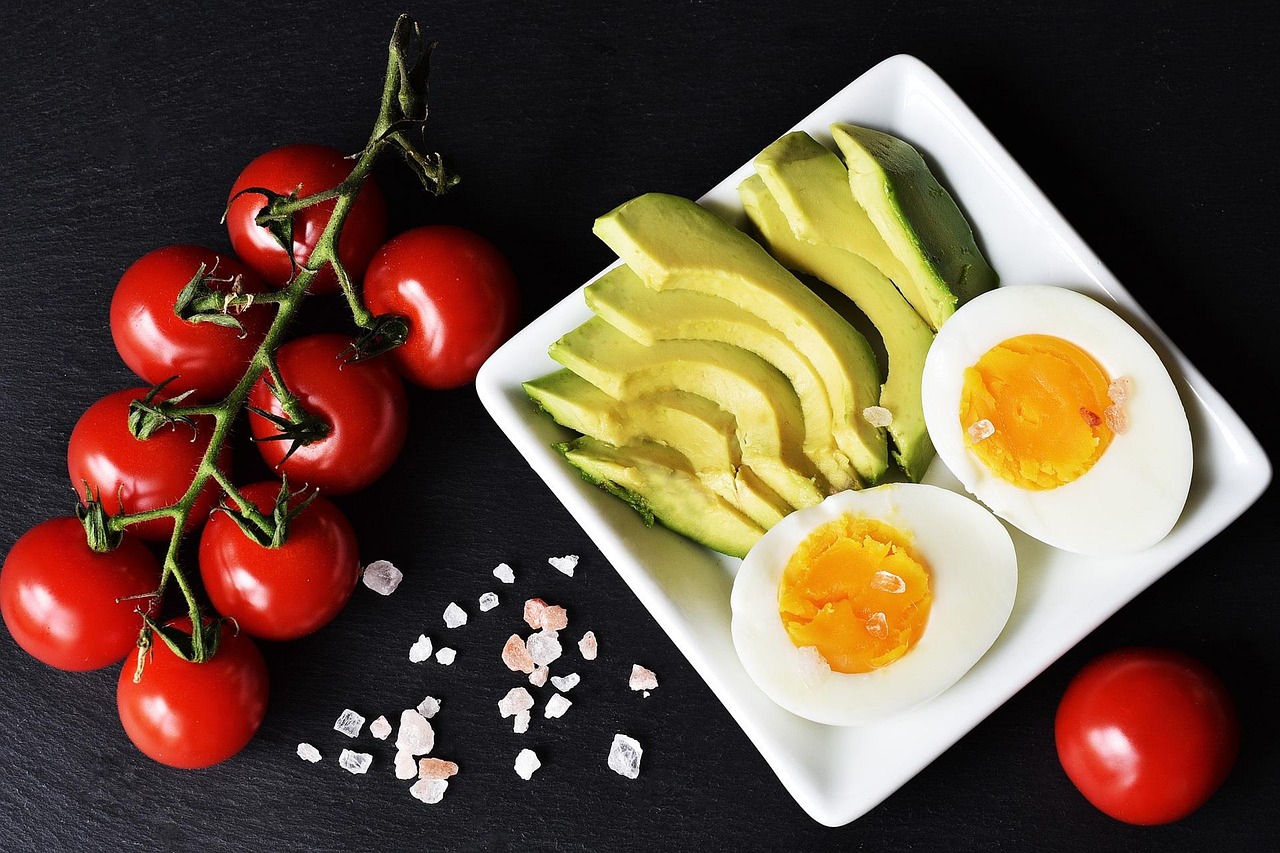
Consider starting your day with a protein-rich breakfast. Instead of sugary cereals or toast, opt for Greek yogurt with berries, eggs with vegetables, or a protein smoothie. This sets a good foundation for satiety and muscle preservation from the outset.
For lunch and dinner, prioritize lean protein sources. Think chicken breast, fish, lean beef, tofu, lentils, or beans. Aim for a portion roughly the size of your palm at each main meal. Incorporate protein into snacks as well. A handful of almonds, a hard-boiled egg, cottage cheese, or a protein bar can bridge the gap between meals, preventing excessive hunger that often leads to less healthy choices.
Here’s a table illustrating simple swaps for increasing protein:
| Current Food Choice | Higher Protein Alternative | Estimated Protein Increase (per serving) |
|---|---|---|
| Plain toast with jam | Whole-wheat toast with avocado and egg | ~10-12g |
| Small fruit yogurt | Greek yogurt (plain, unsweetened) | ~10-15g |
| White pasta | Chickpea pasta or lentil pasta | ~7-10g |
| Crackers with cheese | Cottage cheese with sliced bell peppers | ~10-15g |
| White rice | Quinoa or brown rice | ~3-5g |
| Regular bread sandwich | Sandwich on higher-protein bread or lettuce wrap | ~3-5g |
Another practical approach is to batch-cook protein sources. Prepare a larger batch of grilled chicken, hard-boiled eggs, or lentils at the beginning of the week to easily add to salads, stir-fries, or as quick snacks. Protein powders can also be a convenient supplement, especially for smoothies, but whole food sources should remain the primary focus.
After 40, Here’s What Women Should Know About Protein
While the general principles of protein intake apply to everyone, women over 40 face specific considerations. Hormonal changes, particularly during perimenopause and menopause, can exacerbate muscle loss and make fat accumulation around the midsection more common. Estrogen decline, for instance, can affect muscle protein synthesis.
Therefore, adequate protein becomes even more critical for women in this age group to counteract these physiological shifts. The recommended dietary allowance (RDA) for protein is 0.8 grams per kilogram of body weight, but for active individuals or those aiming for weight loss and muscle preservation after 40, a higher intake is often beneficial. Many experts suggest aiming for 1.2 to 1.6 grams of protein per kilogram of body weight, or even up to 2.2 grams per kilogram during significant calorie restriction, depending on activity levels and individual goals.
For a woman weighing 70 kg (approximately 154 lbs), this could mean aiming for 84-112 grams of protein per day, distributed across meals. This higher intake supports muscle protein synthesis, helps manage appetite, and provides the building blocks for tissue repair and maintenance.
It’s also important for women over 40 to consider the quality of their protein sources. Prioritizing complete proteins, which contain all nine essential amino acids, is ideal. These are typically found in animal products like meat, poultry, fish, eggs, and dairy. Plant-based eaters can achieve complete protein intake by combining various sources throughout the day, such as legumes with grains, or by consuming soy products like tofu and tempeh.
Clinical Evidence and Mechanisms of High-Protein Diet
Numerous studies support the benefits of higher protein intake for weight loss and muscle preservation, particularly in aging populations. Research consistently shows that diets higher in protein lead to greater satiety, a higher thermic effect of food, and better preservation of lean muscle mass during calorie restriction compared to lower-protein diets.
The mechanisms behind these effects are multifaceted:
- Satiety Hormones: Protein influences the release of satiety hormones like cholecystokinin (CCK), glucagon-like peptide-1 (GLP-1), and peptide YY (PYY), which signal fullness to the brain. Simultaneously, it can reduce levels of ghrelin, the “hunger hormone.” This hormonal interplay helps reduce overall calorie intake without relying solely on willpower.
- Muscle Protein Synthesis (MPS): Protein provides the amino acids necessary for MPS, the process by which the body builds and repairs muscle tissue. A consistent supply of protein, especially when combined with resistance training, helps to maintain or even increase muscle mass, particularly important in the face of age-related muscle loss. Leucine, a branched-chain amino acid (BCAA) found abundantly in animal proteins, is a key trigger for MPS.
- Thermogenesis: As mentioned, protein has a higher TEF. While not a massive calorie burner, this consistent energy expenditure for digestion contributes to a slightly higher daily metabolic rate, supporting fat loss.
- Glucose Regulation: High-protein meals can help stabilize blood sugar levels, preventing sharp spikes and crashes that often lead to cravings and increased hunger. This stability is beneficial for overall metabolic health, especially as insulin sensitivity can sometimes decrease with age.
Clinical trials have demonstrated that individuals consuming a higher protein diet as part of a calorie-restricted plan consistently lose more fat and less muscle compared to those on a standard protein diet. This evidence underpins the recommendation for increased protein intake for those over 40 aiming for effective and healthy weight loss.
Powering Your Weight Loss After 40: Why High Protein is Key
For individuals over 40, weight loss isn’t just about the number on the scale; it’s about body composition. Losing weight but simultaneously losing significant muscle can lead to a state often referred to as “skinny fat” – a lower body weight but a higher percentage of body fat, which can have negative health implications. High protein intake directly combats this.
Beyond muscle preservation, protein contributes to sustained energy levels, which is crucial when undergoing a caloric deficit. Fatigue can be a common side effect of dieting, but adequate protein, combined with balanced macronutrients, can help maintain vitality. This sustained energy supports continued physical activity, which is another vital component of weight loss and overall health after 40.
A higher protein intake also supports bone health, which becomes increasingly important with age, particularly for women. Protein, alongside calcium and vitamin D, plays a role in maintaining bone density.
The “power” of protein in weight loss after 40 comes from its multi-faceted impact:
- Metabolic Advantage: It helps counteract the age-related decline in resting metabolism by preserving muscle mass and boosting the thermic effect of food.
- Satiety and Appetite Control: It naturally reduces hunger and cravings, making adherence to a calorie-controlled diet more manageable.
- Body Composition Improvement: It prioritizes fat loss over muscle loss, leading to a healthier and more functional body composition.
- Energy and Recovery: It provides the necessary fuel for daily activities and supports muscle repair after exercise, facilitating an active lifestyle.
Integrating resistance training alongside a high-protein diet creates a synergistic effect, maximizing muscle preservation and even promoting muscle growth, further boosting metabolic rate and improving body composition.
Mid 40s Woman, Need to Lose 30 lbs, Advice About Protein
If you’re a woman in your mid-40s looking to lose around 30 pounds, focusing on protein will be a cornerstone of your strategy. Let’s break down some specific advice.
First, calculate your protein target. As discussed, aiming for 1.2 to 1.6 grams of protein per kilogram of your target body weight is a good starting point. If your target weight is, for example, 130 lbs (approx. 59 kg), your protein goal would be around 70-94 grams per day. Distribute this protein evenly throughout your meals. Instead of a large protein dinner, try to get 20-30 grams of protein at breakfast, lunch, and dinner, with protein-rich snacks in between. This consistent intake helps maintain muscle protein synthesis throughout the day.
Second, prioritize whole, unprocessed protein sources. While protein supplements can be convenient, build your diet around lean meats, poultry, fish, eggs, dairy, and legumes. These sources also provide essential micronutrients. For example:
- Breakfast: Omelet with spinach and feta (approx. 18-25g protein) or a protein smoothie with whey protein, spinach, and almond milk (approx. 20-30g protein).
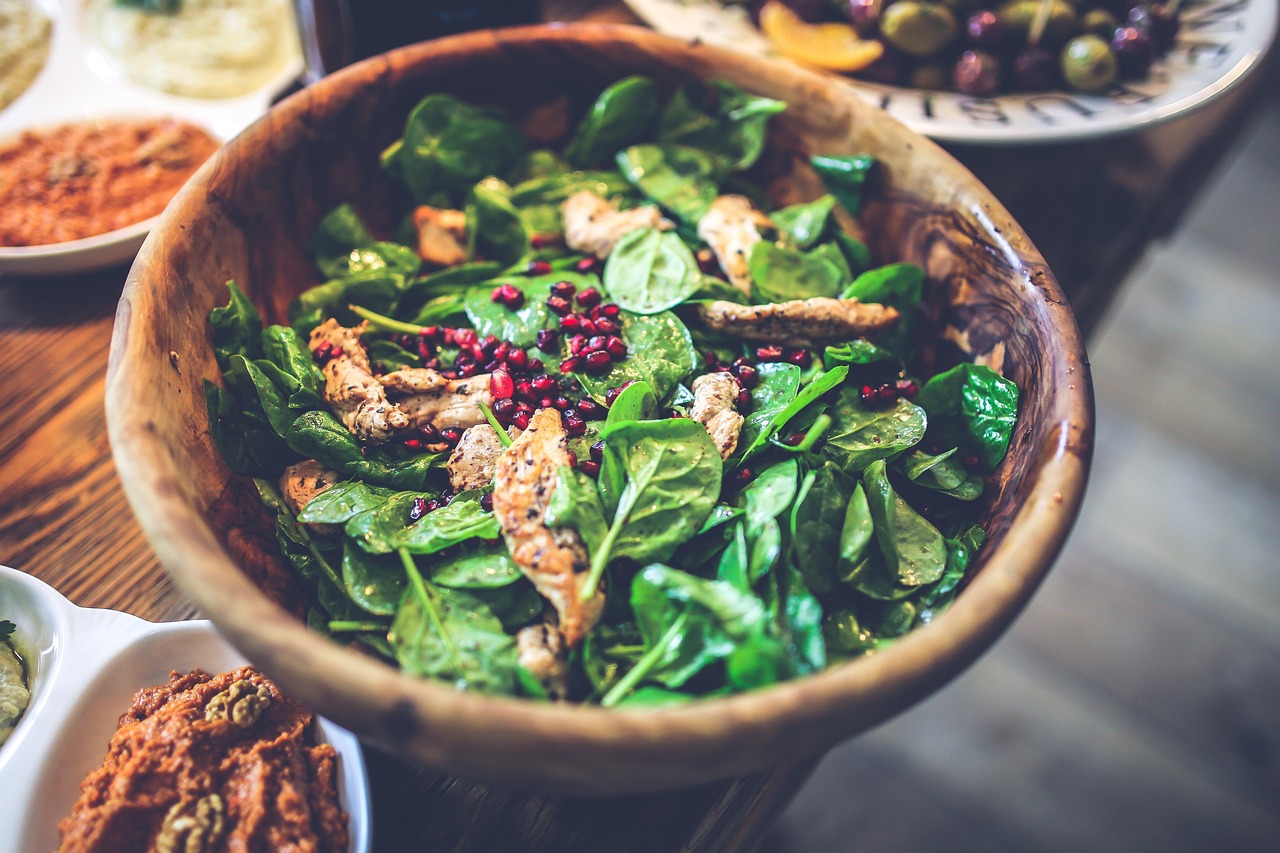
- Lunch: Large salad with grilled chicken breast (4oz, approx. 35g protein) and mixed vegetables.
- Snack: Cottage cheese (1/2 cup, approx. 12g protein) with a few berries.
- Dinner: Baked salmon (5oz, approx. 35g protein) with roasted broccoli and quinoa.
Third, combine your increased protein intake with strength training. Aim for 2-3 resistance training sessions per week. This can involve bodyweight exercises, free weights, or resistance bands. Strength training provides the stimulus for your muscles to grow and adapt, and the protein provides the building blocks. Without the resistance stimulus, simply eating more protein won’t be as effective for muscle preservation.
Fourth, consider your overall caloric intake. While protein is important, you still need to be in a calorie deficit to lose weight. Focus on nutrient-dense foods and limit highly processed snacks, sugary drinks, and excessive unhealthy fats. Track your food intake for a few days to get an idea of your current habits and identify areas for improvement.
Finally, stay hydrated. Drinking enough water supports metabolism, satiety, and overall health. Sometimes thirst can be mistaken for hunger, leading to unnecessary snacking.
For women in their mid-40s aiming for significant weight loss, consistency is paramount. It’s not about perfection, but about making sustainable changes that you can maintain over time.
FAQ
How much protein should a 40 year old woman eat to lose weight?
While the standard recommendation is 0.8 grams of protein per kilogram of body weight, for a 40-year-old woman aiming for weight loss and muscle preservation, a higher intake is generally recommended. Many experts suggest aiming for 1.2 to 1.6 grams of protein per kilogram of body weight. For example, if a woman weighs 70 kg (154 lbs), this would translate to approximately 84-112 grams of protein per day, distributed across meals. Individual needs can vary based on activity level and specific health goals.
Can a high-protein diet increase urea?
Yes, consuming a high-protein diet will naturally increase the production of urea, which is a waste product formed when the body metabolizes protein. Urea is filtered by the kidneys and excreted in urine. For healthy individuals with normal kidney function, this increased urea production is generally not a concern, as the kidneys are efficient at processing it. However, individuals with pre-existing kidney disease or compromised kidney function should consult with a healthcare professional or registered dietitian before significantly increasing their protein intake, as it could place additional strain on their kidneys. Staying well-hydrated is also important to support kidney function when consuming higher protein.
What is the 3 3 3 rule for weight loss?
The “3-3-3 rule” for weight loss is not a universally recognized or scientifically established dietary guideline. There are various interpretations of “3-3-3” that circulate informally, often relating to meal timing or specific food combinations. For example, some might interpret it as eating 3 meals, 3 snacks, and drinking 3 liters of water per day, or consuming protein, fat, and carbohydrates at each of 3 main meals. Without specific context, it’s difficult to provide a precise definition. For effective and sustainable weight loss, it’s generally more beneficial to focus on evidence-based strategies such as a balanced, calorie-controlled diet rich in whole foods, adequate protein intake, regular physical activity (including strength training), and sufficient sleep, rather than relying on informal rules.
Conclusion
Navigating weight loss after 40 requires a strategic approach, and protein stands out as a crucial nutrient in this journey. By prioritizing adequate protein intake, individuals can effectively combat age-related muscle loss, enhance satiety, and support a healthier metabolism. This focus on protein not only aids in shedding pounds but, more importantly, helps preserve valuable muscle mass, leading to a more favorable body composition and improved overall health and vitality in midlife and beyond. Remember to combine increased protein with resistance training and a balanced, whole-foods diet for the most impactful results.