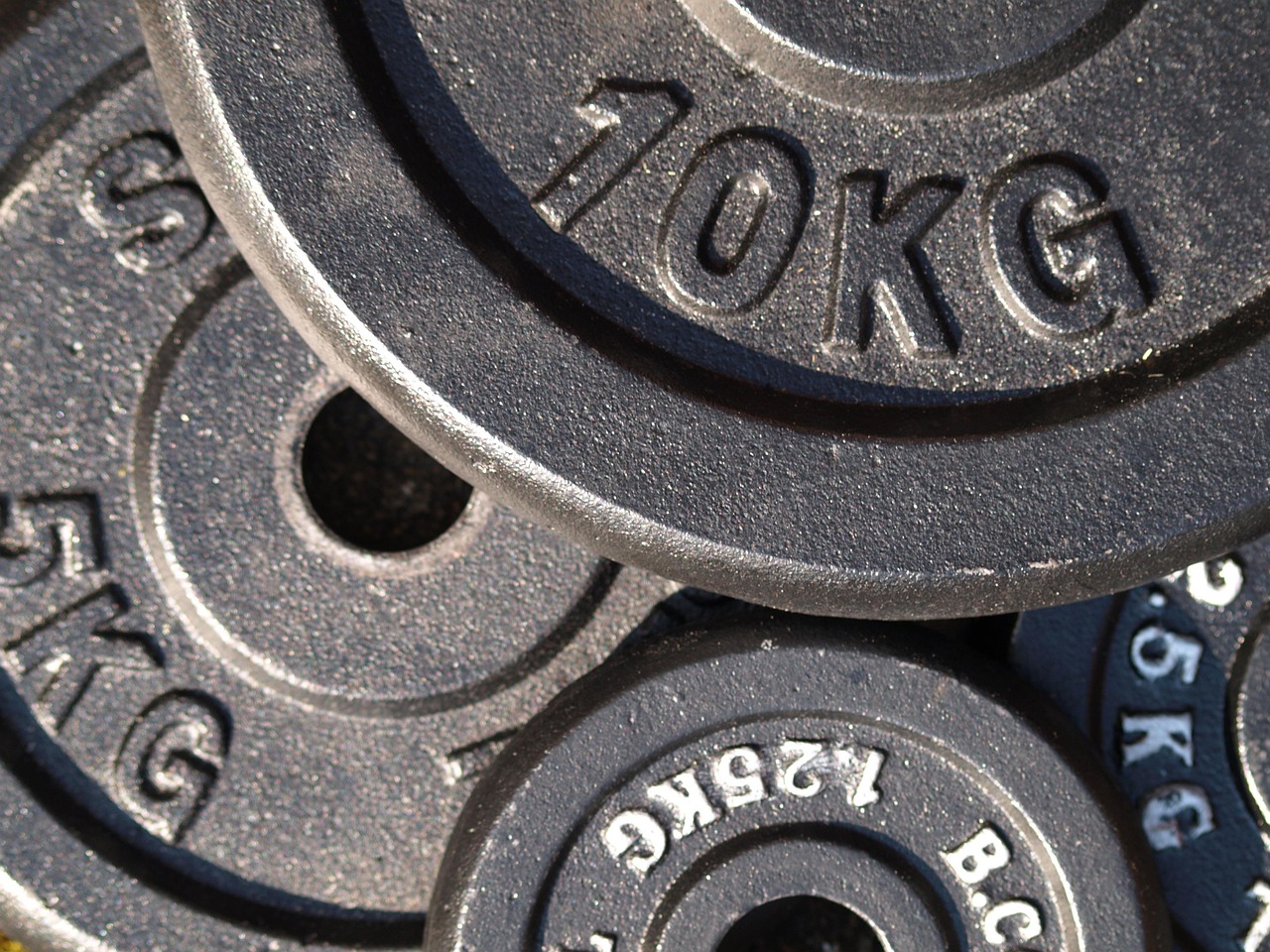

Maintaining and building muscle mass becomes increasingly important as we age. The concept of progressive overload, often associated with younger athletes and bodybuilders, is not only applicable but highly beneficial for seniors seeking to preserve strength, improve function, and counteract age-related muscle loss (sarcopenia). Far from being an aggressive training method, progressive overload is simply the gradual, consistent increase in demand placed on your muscles over time. For older adults, this translates to adapting workouts to become incrementally more challenging, ensuring the body continues to respond and grow stronger.
Strength Training for Older Adults
Strength training for older adults is foundational for physical independence and quality of life. It’s not just about lifting heavy weights; it’s about stimulating muscle fibers to adapt and grow. For seniors, this type of training can significantly slow down or even reverse sarcopenia, the natural decline in muscle mass and strength that begins around age 30 and accelerates after 60.
The practical implications are substantial. Regular strength training can improve balance, reduce the risk of falls, enhance bone density, and make everyday tasks like carrying groceries or climbing stairs feel easier. It also plays a role in managing chronic conditions such as diabetes and arthritis.
Consider two contrasting scenarios: an older adult who remains largely sedentary versus one who incorporates consistent strength training. The sedentary individual is likely to experience a more rapid decline in muscle mass and functional strength, potentially leading to increased frailty and dependence. The active individual, however, by consistently challenging their muscles, maintains a higher level of strength and vitality, enjoying greater mobility and a better quality of life for longer. The key is to start appropriately and progress safely.
What is Progressive Overload and How Does It Apply to Seniors?
Progressive overload, at its core, means continually increasing the demands on your musculoskeletal system to stimulate further adaptation. For muscles to grow stronger and larger, they must be challenged beyond what they are accustomed to. If you lift the same weight for the same number of repetitions indefinitely, your muscles will adapt to that specific stimulus and stop progressing.
For seniors, this principle is crucial because the body’s adaptive capacity, while still present, might be slower than in younger individuals. However, the mechanism remains the same. If a senior consistently lifts a 5-pound dumbbell for 10 repetitions, their muscles will eventually adapt to that load. To continue building strength, they must then introduce a new stress – perhaps by moving to an 8-pound dumbbell, performing 12 repetitions with the 5-pound dumbbell, or slowing down the movement to increase time under tension.
The application for seniors involves a careful, often more conservative, approach. The goal isn’t necessarily to lift maximal weights but to ensure a consistent, gradual increase in stimulus. This might mean adding just one repetition to a set, slightly increasing the weight, or reducing rest times between sets. The trade-off is often between faster progression and minimizing injury risk. For older adults, prioritizing safety and consistency over rapid gains is paramount.
Progressive Resistance Strength Training for Improving Physical Function
Progressive resistance strength training is a specific application of progressive overload, focusing on using external resistance (weights, resistance bands, bodyweight) that gradually increases over time. This approach is particularly effective for improving physical function in older adults.
Functional strength refers to the strength needed for daily activities. For example, the ability to stand up from a chair, climb stairs, or carry objects. As we age, a decline in functional strength can severely impact independence. Progressive resistance training directly addresses this by strengthening the muscle groups involved in these movements.
Consider the act of getting out of a chair. This requires significant leg and core strength. A progressive training program might start with bodyweight squats to a chair, gradually progressing to deeper squats, then holding light weights while squatting, and eventually increasing the weight. Each small increase in resistance or difficulty challenges the muscles slightly more, leading to improved functional strength and greater ease in performing the task.
Another example is improving balance. While balance exercises are important, strong leg and core muscles provide a stable foundation. Progressive resistance training for the lower body (e.g., leg presses, step-ups, calf raises) directly contributes to better stability and reduces the risk of falls. The edge case here is ensuring movements are performed with proper form to avoid placing undue stress on joints that might already have age-related wear and tear. A qualified trainer can be invaluable in guiding this process.
Your Simple Guide to Progressive Overload Training for Seniors
Implementing progressive overload for seniors requires a structured yet flexible approach. It’s about finding ways to make your workouts slightly harder over time, without overdoing it.
Here’s a breakdown of common methods and how to apply them:
Methods of Progressive Overload
| Method | Description | Application for Seniors |
|---|---|---|
| Increase Weight (Load) | Lifting heavier weights. | Gradually increase the weight by the smallest increment available (e.g., 1-2 lbs per dumbbell, or 2.5 lbs per side on a barbell) when you can comfortably complete your target reps with good form. |
| Increase Repetitions | Performing more repetitions with the same weight. | Once you can comfortably perform your target reps (e.g., 10-12) for all sets, try adding 1-2 more reps to each set before increasing weight. |
| Increase Sets | Doing more sets of an exercise. | After building consistency with 2-3 sets, consider adding a fourth set to an exercise. |
| Decrease Rest Time | Resting for shorter periods between sets. | Gradually reduce rest time from 90-120 seconds to 60-75 seconds, being mindful of recovery and maintaining form. |
| Increase Time Under Tension (TUT) | Slowing down the eccentric (lowering) or concentric (lifting) phase of an exercise. | Perform movements more slowly and controlled. For example, take 3-4 seconds to lower a weight instead of 1-2 seconds. |
| Improve Form | Performing an exercise with better technique, allowing for more muscle activation. | Focus on perfect execution. Better form often makes an exercise feel harder and more effective, even with the same weight or reps. |
| Increase Frequency | Training a muscle group more often (e.g., twice a week instead of once). | If recovery allows and you’re not overtraining, add an extra day of strength training for a specific muscle group or full body. |
| Increase Range of Motion | Performing an exercise through a fuller range of motion. | If comfortable and without pain, gradually increase the depth of a squat or the stretch in a chest press. |
Practical Implications: Start with a weight or resistance level that allows you to complete 8-12 repetitions with good form, feeling challenged but not strained by the last few reps. Once you can comfortably hit the higher end of that rep range (e.g., 12 reps for 2-3 sets), then it’s time to apply one of the overload methods. For seniors, the most common and safest initial methods are increasing repetitions or slightly increasing weight.
Trade-offs: Pushing too hard, too fast, especially with increased weight or frequency, can lead to injury. Listen to your body. Soreness is normal; sharp pain is not. Recovery becomes more critical with age. Ensure adequate rest between sessions.
Edge Cases: Individuals with specific health conditions (e.g., severe arthritis, heart conditions, recent surgery) should always consult their physician before starting or modifying a progressive overload program and ideally work with a physical therapist or certified trainer experienced in senior fitness.
Strength Training and Progressive Overload for Longevity
The benefits of strength training, particularly when guided by the principle of progressive overload, extend far beyond just muscle size. They are deeply intertwined with longevity and healthy aging.
- Combating Sarcopenia: As mentioned, sarcopenia is a major contributor to frailty and loss of independence. Progressive overload directly counteracts this by stimulating muscle protein synthesis, leading to the maintenance or even growth of muscle mass. More muscle mass means a higher resting metabolism, better blood sugar regulation, and greater functional capacity.
- Bone Health: Mechanically loading bones through strength training stimulates bone remodeling, which can help increase bone mineral density and reduce the risk of osteoporosis and fractures. This is particularly important for older adults, especially post-menopausal women.
- Metabolic Health: Muscle is metabolically active tissue. Building and maintaining muscle improves insulin sensitivity, helping to manage or prevent type 2 diabetes. It also contributes to a healthier body composition (more muscle, less fat), which is associated with a lower risk of cardiovascular disease.
- Cognitive Function: Emerging research suggests a link between physical activity, including strength training, and cognitive health. Regular exercise can improve blood flow to the brain and may play a role in reducing the risk of cognitive decline.
- Mental Well-being: The sense of accomplishment that comes from getting stronger, the improved body image, and the social interaction (if training in a group setting) all contribute to better mood and reduced symptoms of depression and anxiety.
The long-term impact is a more robust, resilient body that can better withstand the challenges of aging. It’s an investment in future independence and vitality.
Building Strength: Progressive Exercise Plans for Seniors
Creating an effective progressive exercise plan for seniors involves careful selection of exercises, appropriate starting points, and a clear strategy for progression.
Exercise Selection
Focus on compound movements that work multiple muscle groups and mimic daily activities.
- Lower Body: Squats (chair squats, goblet squats), lunges (assisted, walking), step-ups, glute bridges, calf raises.
- Upper Body Push: Wall push-ups, incline push-ups, dumbbell chest press (on a bench or floor), overhead press (seated or standing with light weights).
- Upper Body Pull: Resistance band rows, seated cable rows, dumbbell rows, lat pulldowns (machine or band).
- Core: Planks (on knees or full), bird-dog, dead bug, side planks.
Sample Progression Plan (Beginner to Intermediate)
This is a template and should be adapted to individual capabilities and health status.
Phase 1: Foundation (4-6 weeks)
- Goal: Learn proper form, build consistency, establish a base level of strength and endurance.
- Frequency: 2-3 sessions per week, full body.
- Sets/Reps: 2 sets of 10-15 repetitions per exercise.
- Intensity: Light to moderate, focus on feeling the muscles work.
- Progression: Only increase reps within the range (e.g., from 10 to 15 reps). Do not increase weight yet.
Phase 2: Gradual Overload (Ongoing)
- Goal: Systematically apply progressive overload methods.
- Frequency: 2-3 sessions per week, full body or split (e.g., upper/lower).
- Sets/Reps: 3 sets of 8-12 repetitions per exercise.
- Intensity: Moderate to challenging, where the last 1-2 reps are difficult but form is maintained.
- Progression Strategy:
- When you can complete 3 sets of 12 reps with good form for an exercise, increase the weight by the smallest increment available.
- If increasing weight isn’t an option, try to increase repetitions (e.g., to 13-15 reps) or decrease rest time.
- Alternatively, introduce a more challenging variation of an exercise (e.g., from wall push-ups to incline push-ups).
Example Progression for a Chair Squat:
- Start: 2 sets of 12 chair squats, holding onto a stable object for balance if needed.
- Week 2-3: Progress to 3 sets of 12 chair squats.
- Week 4-5: Once 3 sets of 12 are comfortable, try to do them without holding on.
- Week 6-7: Introduce light dumbbells (e.g., 2-3 lbs each) held at the chest for 3 sets of 10-12 reps.
- Ongoing: Gradually increase dumbbell weight or try to squat to a lower surface (e.g., a slightly lower chair if safe).
Important Considerations:
- Warm-up: Always start with 5-10 minutes of light cardio (walking, cycling) and dynamic stretches.
- Cool-down: Finish with 5-10 minutes of static stretches, holding each stretch for 20-30 seconds.
- Listen to Your Body: Pain is a signal to stop. Modify or skip exercises if you experience discomfort.
- Recovery: Ensure adequate sleep and nutrition. Rest days are as important as training days.
- Professional Guidance: Consider working with a certified personal trainer or physical therapist to establish a safe and effective program tailored to your needs, especially if you have pre-existing conditions.
FAQ
Is progressive overload good for seniors?
Yes, progressive overload is highly beneficial for seniors. It’s a fundamental principle for building and maintaining muscle mass, improving strength, and counteracting age-related muscle loss (sarcopenia). The key is to apply it gradually and safely, focusing on consistency and proper form.
What is the 3-3-3 rule at the gym?
The “3-3-3 rule” is not a universally recognized or standard gym training principle. It might refer to various specific programs or personal guidelines, but it’s not a general rule of thumb like progressive overload. If you encounter this term, it’s best to ask for clarification on its specific meaning within that context. For seniors, focusing on established principles of resistance training, such as those related to progressive overload, is more critical.
What should a 70-year-old be doing every day?
While specific recommendations can vary based on individual health and fitness levels, a 70-year-old should generally aim for a combination of:
- Aerobic Activity: At least 30 minutes of moderate-intensity aerobic activity on most days of the week (e.g., brisk walking, swimming, cycling).
- Strength Training: 2-3 sessions per week targeting all major muscle groups, incorporating progressive overload principles.
- Balance Exercises: Daily balance work (e.g., standing on one leg, heel-to-toe walking) to reduce fall risk.
- Flexibility: Daily stretching to maintain range of motion.
- Daily Movement: Minimizing sedentary time by moving around throughout the day. Consulting with a doctor or physical therapist can help tailor these recommendations to individual needs.
Conclusion
Progressive overload is not an advanced, niche training concept; it’s a fundamental principle of adaptation that applies to everyone, regardless of age. For seniors, it represents a powerful tool to combat the natural decline in muscle mass and strength, fostering greater independence, improving physical function, and enhancing overall quality of life. By consistently and safely challenging your muscles through gradual increases in resistance, repetitions, or other variables, you can continue to build and maintain strength well into your later years. The journey requires patience, consistency, and a willingness to listen to your body, but the rewards of a stronger, more capable self are invaluable.