As we age, maintaining muscle mass becomes increasingly important for independence, mobility, and overall quality of life. Sarcopenia, the age-related loss of muscle mass and strength, can significantly impact these aspects. While protein intake is crucial for muscle health at any age, older adults have specific needs, and plant-based protein sources offer a compelling, often overlooked, solution. This guide explores how plant-based proteins can play a vital role in preventing sarcopenia, offering practical advice for older adults.
Understanding Plant-Based Protein Interventions for Muscle Health
The idea of using dietary interventions to combat sarcopenia isn’t new, but the focus has traditionally leaned towards animal proteins. However, research increasingly highlights the efficacy of plant-based protein interventions. These interventions often involve increasing the total protein intake from plant sources, sometimes in conjunction with resistance exercise.
One key aspect of plant-based protein interventions is understanding amino acid profiles. Animal proteins are often considered “complete” because they contain all nine essential amino acids in sufficient quantities. Many individual plant proteins, however, might be lower in one or two essential amino acids. For instance, legumes are typically lower in methionine, while grains are lower in lysine. This isn’t a barrier to muscle building. By consuming a variety of plant proteins throughout the day, or even within the same meal, older adults can easily meet their essential amino acid needs. This concept is often referred to as “protein combining” or “complementary proteins.”
For example, a meal of rice and beans, a staple in many cultures, provides a complete amino acid profile. Similarly, pairing whole-wheat toast with peanut butter, or a lentil soup with a side of whole-grain bread, offers a similar benefit. The practical implication is that older adults don’t need to meticulously track individual amino acids; focusing on a diverse intake of plant-based foods naturally addresses this. The trade-off is often a slightly higher volume of food to consume to reach the same protein quantity as animal sources, but this also brings increased fiber and micronutrient intake.
Cooking with Plant-Based Protein for Older Adults
Incorporating plant-based proteins into the diet doesn’t require drastic culinary shifts. Many familiar dishes can be adapted, and new ones are often simple to prepare. The goal is to make plant-based eating enjoyable and sustainable.
Consider legumes, such as black beans, lentils, chickpeas, and edamame. These are versatile and can be added to soups, stews, salads, or mashed into dips like hummus. For instance, instead of ground meat, a lentil or black bean “meat” can be used in tacos, chili, or shepherd’s pie. Tofu and tempeh, made from soybeans, are excellent protein sources that absorb flavors well. Tofu can be scrambled for a breakfast option, baked or pan-fried for stir-fries, or blended into smoothies for added creaminess and protein. Tempeh, with its firmer texture, can be grilled, crumbled, or sliced and added to sandwiches or main dishes.
Nuts and seeds offer a convenient protein boost. Almonds, walnuts, chia seeds, flax seeds, and pumpkin seeds can be sprinkled on oatmeal, yogurt, salads, or incorporated into baked goods. Nut butters provide a quick way to add protein to toast or fruit. Whole grains like quinoa, farro, and oats also contribute protein, along with fiber. Quinoa, for example, cooks quickly and can serve as a base for grain bowls or a side dish.
Here are some practical cooking ideas:
- Breakfast: Oatmeal with nuts and seeds, tofu scramble with vegetables, whole-grain toast with avocado and chickpeas.
- Lunch: Lentil soup, chickpea salad sandwich, quinoa salad with black beans and corn, hummus and veggie wrap.
- Dinner: Black bean burgers, lentil shepherd’s pie, tofu stir-fry with brown rice, chili with kidney beans and mixed vegetables.
- Snacks: Edamame, roasted chickpeas, a handful of almonds, fruit with peanut butter.
The main challenge for some older adults might be adjusting to new textures or flavors. Starting with familiar preparations and gradually introducing new ingredients can help. For example, blending silken tofu into a fruit smoothie is often less noticeable than eating firm tofu plain.
Perspectives on Plant-Based Diets for Older Adults (Aged 55+)
The transition to a plant-based diet, or even increasing plant-based protein intake, for individuals aged 55 and older often involves a mix of motivations and considerations. Health benefits are a primary driver, with many older adults seeking to manage chronic conditions like heart disease, type 2 diabetes, or high blood pressure, which plant-rich diets are known to support. Ethical concerns regarding animal welfare and environmental impact also play a role for some.
However, there can be perceived barriers. One common concern is whether a plant-based diet can adequately provide all necessary nutrients, particularly protein, iron, calcium, and vitamin B12. Addressing these concerns through education and practical guidance is crucial. For instance, emphasizing the diversity of plant protein sources and the importance of B12 supplementation for strict vegans can alleviate worries.
Another aspect is the social and cultural context of food. Meals are often a central part of social gatherings, and dietary changes can sometimes feel isolating if not approached thoughtfully. Sharing plant-based meals with family and friends, or finding community resources like plant-based cooking classes, can help navigate these social dynamics. Cost can also be a factor, though many staple plant-based protein sources like beans, lentils, and oats are often more economical than meat.
Ultimately, the perspectives of older adults on plant-based diets are diverse. Some embrace it fully, while others prefer a “flexitarian” approach, gradually increasing plant intake. The key is meeting individuals where they are and providing actionable, non-judgmental information that aligns with their personal health goals and lifestyle.
Muscle Loss and Protein Needs in Older Adults
Sarcopenia is a progressive and generalized skeletal muscle disorder characterized by accelerated loss of muscle mass and function with aging. It contributes to frailty, falls, loss of independence, and reduced quality of life. Several factors contribute to sarcopenia, including decreased physical activity, hormonal changes, and chronic inflammation. However, inadequate protein intake is a significant, modifiable risk factor.
As we age, our bodies become less efficient at utilizing dietary protein for muscle protein synthesis (MPS), the process by which muscle tissue is built and repaired. This phenomenon is often referred to as “anabolic resistance.” Consequently, older adults require a higher protein intake per kilogram of body weight compared to younger adults to stimulate MPS effectively.
The recommended dietary allowance (RDA) for protein is 0.8 grams per kilogram of body weight per day (g/kg/day) for adults. However, for older adults, many experts and organizations, including the European Society for Clinical Nutrition and Metabolism (ESPEN), recommend a higher intake, often in the range of 1.0 to 1.2 g/kg/day, and potentially even higher (up to 1.5 g/kg/day) for those with acute or chronic diseases. For a 70 kg (154 lb) older adult, this translates to 70-84 grams of protein per day.
Distributing protein intake throughout the day is also important. Instead of consuming most protein in one large meal, aiming for 25-30 grams of protein at each main meal (breakfast, lunch, and dinner) appears to be more effective at stimulating MPS. This even distribution helps maximize the body’s ability to use the protein for muscle repair and growth.
For older adults, the implications are clear: proactively increasing and distributing protein intake is a fundamental strategy for sarcopenia prevention.
Top 5 Plant-Based Sources of Protein for Older Adults
Choosing the right plant-based protein sources is crucial for meeting increased protein needs. Here are five excellent options, notable for their protein content, versatility, and nutrient density:
Legumes (Beans, Lentils, Chickpeas):
- Why they’re great: Legumes are protein powerhouses, rich in fiber, and contain a variety of vitamins and minerals. They are also budget-friendly.
- Protein content: Approximately 7-9 grams per 1/2 cup cooked.
- How to use: Add to soups, stews, salads, make into dips (hummus), use as a base for veggie burgers, or incorporate into pasta sauces. Black beans, kidney beans, lentils, and chickpeas are all excellent choices.
Tofu and Tempeh:
- Why they’re great: These soy-based products are complete proteins, meaning they contain all essential amino acids. Tofu is versatile and takes on flavors well, while tempeh has a firmer texture and nutty flavor.
- Protein content: Tofu: 10-15 grams per 1/2 cup (firm). Tempeh: 15-20 grams per 1/2 cup.
- How to use: Tofu can be scrambled, baked, fried, grilled, or blended into smoothies. Tempeh can be marinated and grilled, crumbled into stir-fries, or used in sandwiches.
Edamame: A more grounded way to view thisgreat:** Young soybeans, often available shelled or in the pod, edamame is a complete protein, high in fiber, and a good source of iron and vitamins.
- Protein content: Approximately 8-10 grams per 1/2 cup shelled.
- How to use: Steamed as a snack, added to salads, stir-fries, or grain bowls.
Quinoa:
- Why it’s great: A gluten-free grain that is also a complete protein. It’s rich in fiber, iron, magnesium, and B vitamins. A more grounded way to view thisent:** Approximately 8 grams per 1 cup cooked.
- How to use: Use as a base for salads, a side dish instead of rice, in breakfast bowls, or as a thickener for soups.
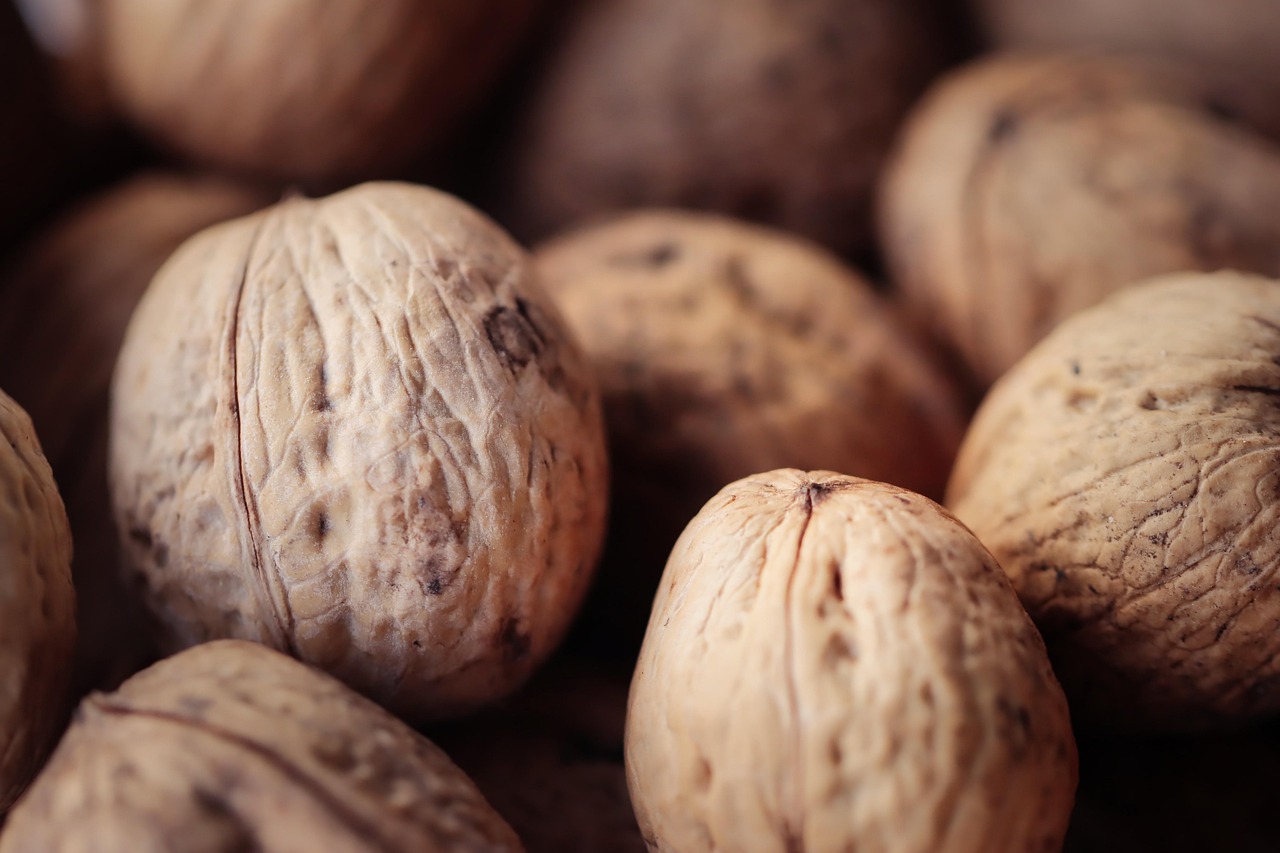
Nuts and Seeds (e.g., Almonds, Walnuts, Chia Seeds, Hemp Seeds): A more grounded way to view thisgreat:** Excellent sources of protein, healthy fats, fiber, and micronutrients. Hemp seeds and chia seeds are particularly rich in omega-3 fatty acids.
- Protein content: Varies widely: Almonds: 6g per oz (approx. 23 nuts). Chia seeds: 5g per 2 tbsp. Hemp seeds: 10g per 3 tbsp.
- How to use: Sprinkle on oatmeal, yogurt, salads, or smoothies. Incorporate into homemade energy bars, use nut butters on toast or with fruit.
Comparison of Protein Sources
| Plant-Based Protein Source | Protein (per typical serving) | Key Nutrients (beyond protein) | Versatility/Usage | Considerations for Older Adults |
|---|---|---|---|---|
| Legumes (Beans, Lentils) | 7-9g per 1/2 cup cooked | Fiber, Iron, Folate, Potassium | Soups, Stews, Salads, Dips | Can cause gas for some; start small |
| Tofu/Tempeh | 10-20g per 1/2 cup | Calcium, Iron, Magnesium | Scrambled, Baked, Stir-fries, Smoothies | Mild flavor; absorbs seasonings well |
| Edamame | 8-10g per 1/2 cup shelled | Fiber, Vitamin K, Folate | Snack, Salads, Stir-fries | Easy to prepare; good finger food |
| Quinoa | 8g per 1 cup cooked | Fiber, Iron, Magnesium, Zinc | Grain bowls, Side dish, Breakfast | Gluten-free; quick cooking |
| Nuts/Seeds | 5-10g per 1-3 tbsp/oz | Healthy Fats, Fiber, Omega-3s | Toppings, Snacks, Butters | Calorie-dense; chewability for some |
This table illustrates that a varied intake of these sources can easily contribute to meeting higher protein needs.
The Value of Dietary Plant Protein in Older People
The value of dietary plant protein for older people extends beyond just muscle maintenance. While its role in preventing sarcopenia is primary, plant-based proteins come packaged with other beneficial compounds that support overall health and longevity.
One significant advantage is the accompanying fiber content. Unlike animal proteins, plant-based proteins are rich in dietary fiber, which is crucial for digestive health, regulating blood sugar levels, and promoting satiety. Adequate fiber intake can help prevent constipation, a common issue in older adults, and may reduce the risk of diverticular disease.
Furthermore, plant-based proteins often come with a lower saturated fat and cholesterol profile compared to many animal proteins. This can contribute to better cardiovascular health, reducing the risk of heart disease and stroke, which are prevalent concerns in older populations. The consumption of whole plant foods also introduces a wide array of antioxidants, phytochemicals, vitamins, and minerals that work synergistically to reduce inflammation and protect against chronic diseases.
For instance, studies suggest that higher consumption of plant protein is associated with lower risks of all-cause mortality and cardiovascular disease mortality. This isn’t just about replacing animal protein; it’s about the entire dietary pattern that often accompanies a plant-focused approach. This pattern typically includes more fruits, vegetables, whole grains, nuts, and seeds, all contributing to a nutrient-dense diet.
The environmental impact is another consideration, though perhaps less directly health-related for the individual. Many older adults are increasingly aware of the sustainability of their food choices, and opting for plant-based proteins can align with these values.
In summary, plant-based proteins offer a multifaceted approach to healthy aging. They provide the necessary building blocks for muscle, while simultaneously delivering a wealth of protective nutrients that support cardiovascular health, digestive function, and overall well-being, making them a valuable component of an older adult’s diet.
Conclusion
Preventing sarcopenia and maintaining muscle health is a cornerstone of healthy aging. While protein intake is paramount, the source of that protein matters. Plant-based proteins offer a robust and beneficial solution for older adults, providing not only the essential amino acids needed for muscle protein synthesis but also a wealth of fiber, vitamins, minerals, and protective compounds.
By understanding the unique protein needs of older adults, embracing diverse plant-based sources, and incorporating them creatively into daily meals, individuals can proactively combat muscle loss. Whether fully transitioning to a plant-based diet or simply increasing the proportion of plant proteins, this dietary approach supports not just muscle, but overall health, vitality, and independence in later years. The journey towards a plant-powered approach to aging is accessible, adaptable, and profoundly rewarding.