Achieving weight loss often involves creating a calorie deficit, meaning you consume fewer calories than your body expends. However, simply eating less isn’t always enough, especially if your goal is to lose fat while retaining muscle. A poorly planned calorie deficit can lead to significant muscle loss, which not only hinders your aesthetic goals but also negatively impacts metabolism, strength, and overall health. This guide explores how to personalize your calorie deficit to prioritize muscle preservation, ensuring a more sustainable and effective weight loss journey.
Preserving Healthy Muscle During Weight Loss
The body preferentially uses fat stores for energy when in a calorie deficit. However, when the deficit is too aggressive, or protein intake is insufficient, it can start breaking down muscle tissue. This is counterproductive for several reasons. Muscle is metabolically active, meaning it burns more calories at rest than fat tissue. Losing muscle can therefore slow your metabolism, making future weight loss harder and increasing the likelihood of weight regain. Furthermore, muscle contributes to strength, mobility, and overall physical function, all of which are important for long-term health, especially as we age.
To preserve muscle during weight loss, the core strategy revolves around creating a moderate calorie deficit, consuming adequate protein, and engaging in resistance training. For example, rather than aiming for an aggressive 1000-calorie daily deficit, a more moderate 300-500 calorie deficit allows for steady fat loss without signaling the body to rapidly break down muscle for energy. This slower, more controlled approach gives your body time to adapt, drawing primarily from fat reserves. Think of it like drawing from a savings account (fat) rather than selling off valuable assets (muscle) to cover expenses.
Practical implications include patience; rapid weight loss often comes at the cost of muscle. A sustainable rate is typically 0.5% to 1% of body weight per week. For someone weighing 200 pounds, this means losing 1 to 2 pounds per week. Exceeding this rate consistently can increase the risk of muscle loss. An edge case might be individuals with significant body fat to lose; they may tolerate a slightly larger initial deficit without substantial muscle loss due to ample energy reserves, but even then, moderation is key.
How to Lose Fat Without Losing Muscle: Tips and Tricks
Successfully losing fat while preserving muscle requires a multi-faceted approach that goes beyond just calorie counting. It involves strategic adjustments to diet and exercise.
Dietary Strategies
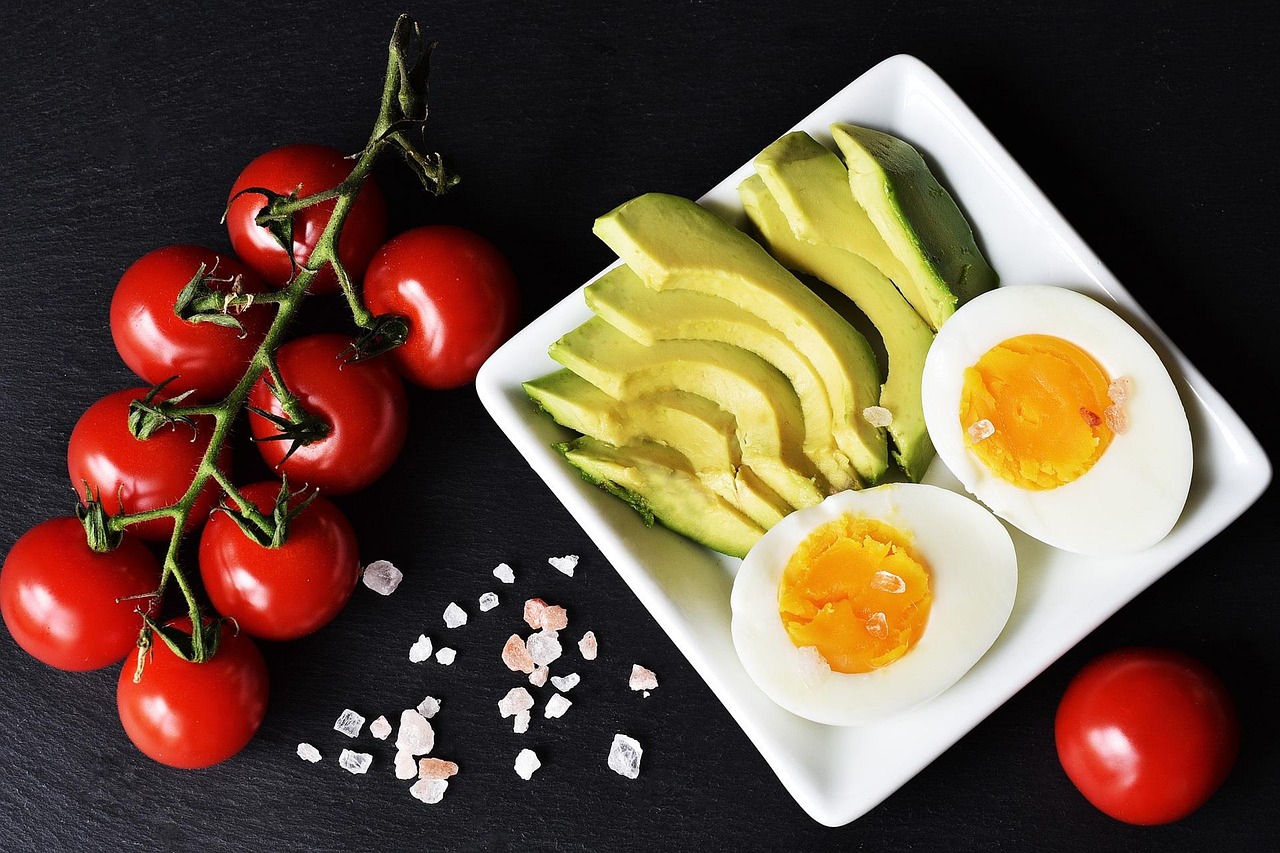
- Adequate Protein Intake: This is perhaps the most critical dietary factor. Protein provides the building blocks (amino acids) necessary for muscle repair and growth. When in a calorie deficit, sufficient protein signals to the body that it needs to hold onto its muscle tissue. A general guideline is to consume 1.6 to 2.2 grams of protein per kilogram of body weight per day. For a 150-pound individual (approx. 68 kg), this translates to roughly 109-150 grams of protein daily. Prioritize lean protein sources like chicken breast, fish, lean beef, eggs, dairy, and plant-based options like lentils and tofu.
- Strategic Carbohydrate and Fat Intake: While protein is paramount, carbohydrates and fats also play roles. Carbohydrates fuel workouts and help replenish muscle glycogen, preventing muscle breakdown. Fats are essential for hormone production and overall health. The specific ratios can vary, but generally, a balanced approach that includes complex carbohydrates (whole grains, fruits, vegetables) and healthy fats (avocado, nuts, olive oil) is beneficial. Avoid drastic restriction of any macronutrient unless medically advised, as this can negatively impact energy levels and nutrient intake.
- Meal Timing: While not as critical as total daily intake, distributing protein evenly throughout the day can support muscle protein synthesis. Aim for 20-40 grams of protein per meal.
Exercise Strategies
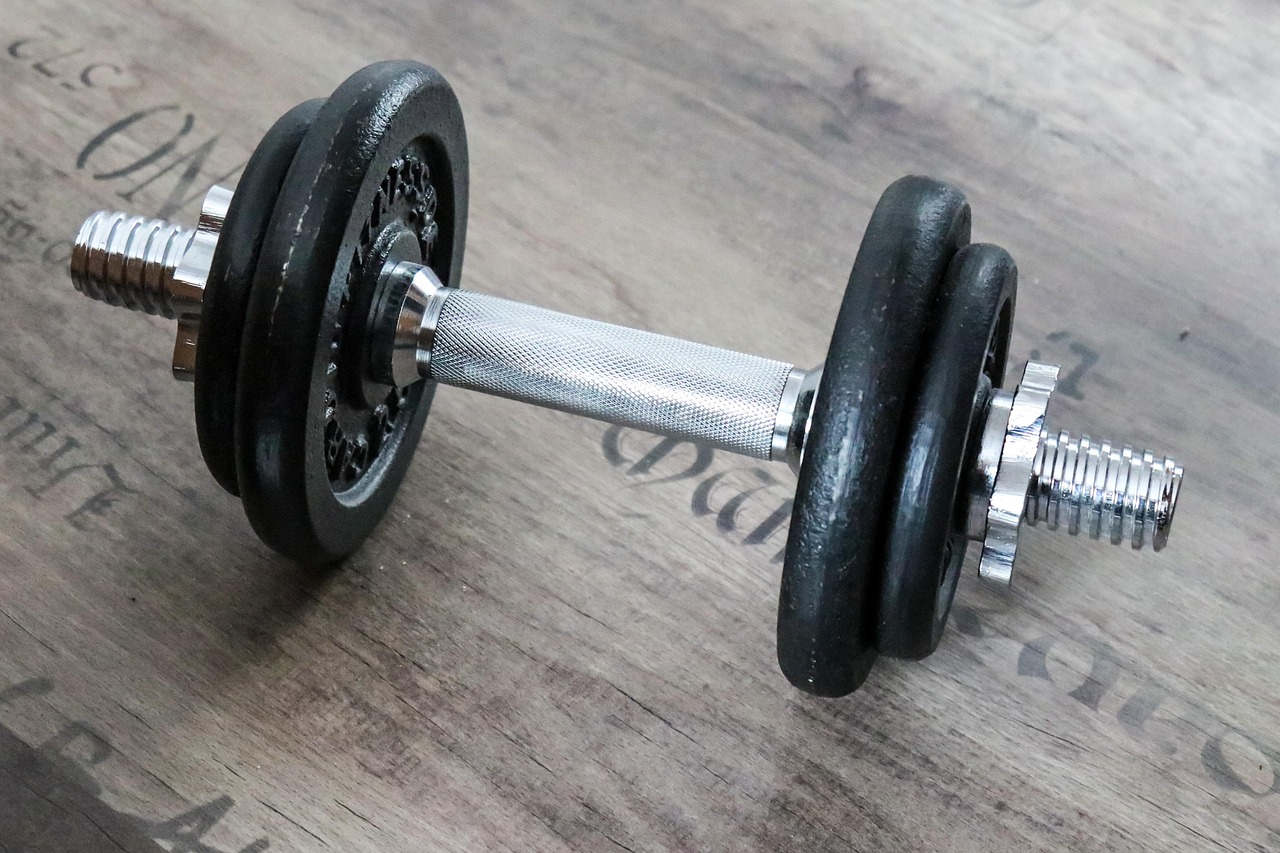
- Resistance Training: This is non-negotiable for muscle preservation. Lifting weights or performing bodyweight exercises provides the stimulus for your muscles to maintain or even grow. Aim for 2-4 sessions per week, focusing on compound movements (squats, deadlifts, presses, rows) that work multiple muscle groups simultaneously. Progressive overload—gradually increasing the weight, reps, or sets—is crucial to continue challenging your muscles.
- Moderate Cardio: While cardio burns calories, excessive or high-intensity cardio can interfere with muscle recovery and potentially contribute to muscle loss if not carefully managed. Prioritize resistance training and incorporate moderate cardio (e.g., brisk walking, cycling) for cardiovascular health and additional calorie expenditure without overstressing the body.
Consider two individuals attempting weight loss: one drastically cuts calories, avoids strength training, and eats minimal protein. The other creates a moderate deficit, lifts weights three times a week, and ensures high protein intake. The first individual will likely lose weight quickly, but a significant portion will be muscle, leading to a “skinny fat” appearance and a slower metabolism. The second will lose weight more slowly but will primarily shed fat, maintaining strength and a more toned physique.
The Importance of Muscle Maintenance During Weight Loss
Maintaining muscle during weight loss extends far beyond aesthetics. It’s a cornerstone of long-term health and successful weight management.
- Metabolic Rate: As mentioned, muscle is more metabolically active than fat. Losing muscle means your resting metabolic rate (RMR) decreases, requiring fewer calories to maintain your body weight. This makes it easier to regain weight once you stop actively dieting, a common issue known as weight cycling. By preserving muscle, you help keep your metabolism higher, making weight maintenance less challenging.
- Strength and Function: Muscle is critical for daily activities, from carrying groceries to climbing stairs. Losing muscle compromises strength, balance, and overall functional capacity. This is particularly relevant for older adults, where sarcopenia (age-related muscle loss) is a significant concern. Weight loss that preserves muscle helps maintain independence and quality of life.
- Body Composition: Even if the number on the scale doesn’t change drastically, a favorable shift in body composition (more muscle, less fat) leads to a leaner, more toned appearance. This can be a significant motivator and reflect better health markers.
- Bone Health: Resistance training, which is crucial for muscle maintenance, also positively impacts bone density, helping to prevent osteoporosis.
Consider an older adult (50+) aiming for weight loss. If they simply cut calories without strength training or adequate protein, they risk accelerating age-related muscle loss, leading to frailty, reduced mobility, and increased risk of falls. Conversely, an individualized weight loss plan incorporating resistance training and sufficient protein intake can help them lose fat while maintaining or even building muscle, improving their overall health and longevity.
Trying to Lose Weight? Be Careful Not to Lose Muscle
The temptation to lose weight quickly is strong, but haste can be detrimental to muscle mass. A common mistake is to create an overly aggressive calorie deficit, often combined with an over-reliance on cardio and insufficient protein.
For example, someone might decide to eat only 1200 calories per day and run for an hour daily, without lifting weights. While they might see rapid scale drops, a significant portion of that “weight” will be water, glycogen, and crucial muscle tissue. Over time, this leads to a weaker, less efficient body.
Here’s a comparison of two approaches and their likely outcomes:
| Approach | Calorie Deficit | Protein Intake | Exercise Focus | Expected Outcome |
|---|---|---|---|---|
| Aggressive Deficit | >750 calories | Low (<1.2g/kg) | High cardio, no strength | Rapid initial weight loss, significant muscle loss, metabolic slowdown, “skinny fat” |
| Personalized Deficit | 300-500 calories | High (1.6-2.2g/kg) | Resistance training + moderate cardio | Slower, steady fat loss, muscle preservation/gain, improved body composition |
The “personalized deficit” approach prioritizes long-term success and health. It acknowledges that the scale isn’t the only measure of progress. Instead, it focuses on improving body composition, strength, and metabolic health. This approach requires patience and consistency, but the results are more sustainable and beneficial.
How to Cut While Minimizing Muscle Loss
The term “cutting” is common in fitness circles and refers to a period of calorie restriction aimed at reducing body fat while maintaining muscle mass, often after a period of muscle building. The principles for cutting effectively mirror those for sustainable fat loss in general, with a heightened focus on precision.
- Calculate Your Maintenance Calories: Start by estimating your Total Daily Energy Expenditure (TDEE). Online calculators can provide a starting point, but tracking your food intake and weight over a few weeks can give you a more accurate personal baseline.
- Establish a Moderate Deficit: Aim for a 200-500 calorie deficit below your TDEE. This creates a fat-loss environment without being so severe that it forces your body to break down muscle for energy. For instance, if your TDEE is 2500 calories, aim for 2000-2300 calories daily.
- Prioritize Protein: Maintain a high protein intake (1.6-2.2g/kg body weight) to support muscle repair and satiety.
- Continue Resistance Training: Do not stop lifting weights. In fact, some argue that training intensity should remain high during a cut to provide the strongest signal for muscle retention. While volume might slightly decrease due to lower energy levels, the focus should remain on maintaining strength.
- Manage Carbohydrates and Fats: Adjust these macronutrients based on your activity level and individual response. Some individuals thrive on slightly lower carbs, while others prefer more. Fats should not drop below 20% of total calories to support hormonal health.
- Monitor Progress and Adjust: Weight loss is rarely linear. Track your weight, body measurements, and strength in the gym. If weight loss stalls for more than two weeks, slightly reduce calories (e.g., by another 100-200) or increase activity. If you feel excessively fatigued or strength drops significantly, consider a small increase in calories or a temporary “diet break.”
Consider someone who has been consistently lifting for years and wants to reveal their muscle definition. They would meticulously track their food intake, ensuring high protein, moderate carbs, and sufficient fats. Their workouts would remain challenging, perhaps with slightly fewer sets but heavy weights. They would monitor their body composition changes visually and with measurements, adjusting calories in small increments based on their progress. This meticulous approach contrasts sharply with crash dieting, which would strip away hard-earned muscle.
Fat-Burning & Muscle-Sparing Supplements for Cutting
The supplement industry often makes bold claims about “fat-burning” and “muscle-sparing” products. While some supplements have evidence supporting their use, many are ineffective or provide only marginal benefits. It’s crucial to approach supplements with a critical eye and prioritize diet and training first.
Potentially Beneficial Supplements:
- Protein Powder (Whey, Casein, Plant-based): These are not “fat-burning” supplements but are excellent for conveniently increasing protein intake, which is critical for muscle preservation during a deficit. They help meet daily protein targets when whole food sources are impractical.
- Creatine Monohydrate: While often associated with muscle gain, creatine can be beneficial during a cut. It helps maintain strength and power output during workouts, which indirectly supports muscle retention by allowing you to train effectively. It also helps with cellular hydration.
- Caffeine: A stimulant that can boost energy levels, improve focus, and slightly increase calorie expenditure. It can be useful for pre-workout energy during a calorie deficit when energy levels might be lower.
- Omega-3 Fatty Acids (Fish Oil): Important for overall health, reducing inflammation, and may have a minor role in fat metabolism. While not a direct fat burner, good health supports effective training and recovery.
Supplements with Limited or Unproven Efficacy for Muscle Sparing/Fat Burning:
- L-Carnitine: Often marketed as a fat burner, its efficacy for significant fat loss in otherwise healthy individuals is largely unproven in research outside of specific medical conditions.
- Branched-Chain Amino Acids (BCAAs): While BCAAs are the building blocks of protein, supplementing with them is often unnecessary if you are already consuming adequate protein from whole foods or protein powder. The evidence for their direct muscle-sparing effect during a calorie deficit, beyond sufficient total protein intake, is weak.
- “Thermogenic” Fat Burners: Many of these products rely on a blend of stimulants and other compounds. While some ingredients like caffeine may have a mild effect, the overall impact on fat loss is often negligible, and they can come with side effects like jitters, anxiety, and sleep disturbances.
It’s vital to view supplements as complementary to a well-structured diet and training plan, not as replacements. No supplement can overcome a poor diet or lack of effort in the gym. For instance, relying on a “fat burner” while consistently overeating will yield no results. Conversely, a high-protein diet and consistent resistance training can achieve excellent fat loss and muscle preservation even without any supplements. Always consult with a healthcare professional or a registered dietitian before introducing new supplements, especially if you have underlying health conditions.
Conclusion
Personalizing your calorie deficit for sustainable, muscle-sparing weight loss is a nuanced process that prioritizes long-term health over rapid, potentially detrimental scale drops. It fundamentally involves a moderate calorie deficit, a high protein intake, and consistent resistance training. While supplements can play a minor supporting role, they are no substitute for these foundational principles. By adopting an individualized weight loss plan that focuses on these core elements, you can achieve effective fat loss, preserve valuable muscle mass, and establish habits for long-term weight management and improved overall well-being.