
Periods of inactivity, whether due to illness, injury, or simply a change in lifestyle, can lead to a noticeable decline in muscle mass and strength, a phenomenon often more pronounced after age 40. Recovering from this loss isn’t just about resuming physical activity; it’s fundamentally supported by what you eat. Nutrition plays a critical role in rebuilding muscle, restoring strength, and supporting overall physical resilience. This guide will explore the specific nutritional strategies that can help you regain lost ground and optimize your recovery journey.
The Foundation: Nutrition and Muscle Recovery After Inactivity
When you’re inactive, particularly for an extended period, your body begins to break down muscle tissue more readily than it builds it. This process, known as muscle atrophy, accelerates with age. For individuals over 40, this can be particularly challenging as natural muscle loss (sarcopenia) is already a factor. The goal of nutrition for muscle recovery after inactivity is to shift your body back into an anabolic (muscle-building) state.
This isn’t a quick fix; it’s a sustained effort that involves providing the right building blocks and signals to your body. Think of it like repairing a house after a storm: you need quality materials (nutrients) and a skilled builder (your body’s metabolic processes) to reconstruct what was lost. Without adequate nutrition, even the most dedicated physical therapy or exercise routine will yield sub-optimal results. The practical implication is that calorie and protein needs often increase during recovery, even if your activity levels aren’t yet at their peak. Ignoring this can prolong recovery or even lead to further muscle loss. For example, someone recovering from a broken leg might assume they need fewer calories because they’re not exercising, but their body is working hard to heal, demanding significant energy and protein for tissue repair.
Beyond Protein: Other Nutrients That Help Prevent Muscle Loss
While protein is paramount, a holistic approach to nutrition for muscle recovery after inactivity requires attention to several other key nutrients. These work synergistically with protein to support muscle repair, reduce inflammation, and optimize overall cellular function.
- Vitamin D: Often associated with bone health, Vitamin D also plays a crucial role in muscle function and strength. Low levels have been linked to muscle weakness and increased risk of falls, particularly in older adults. Adequate Vitamin D helps optimize muscle protein synthesis and overall muscle performance. Sunlight exposure is a primary source, but dietary intake from fatty fish, fortified dairy, and supplements is often necessary, especially in regions with limited sun.
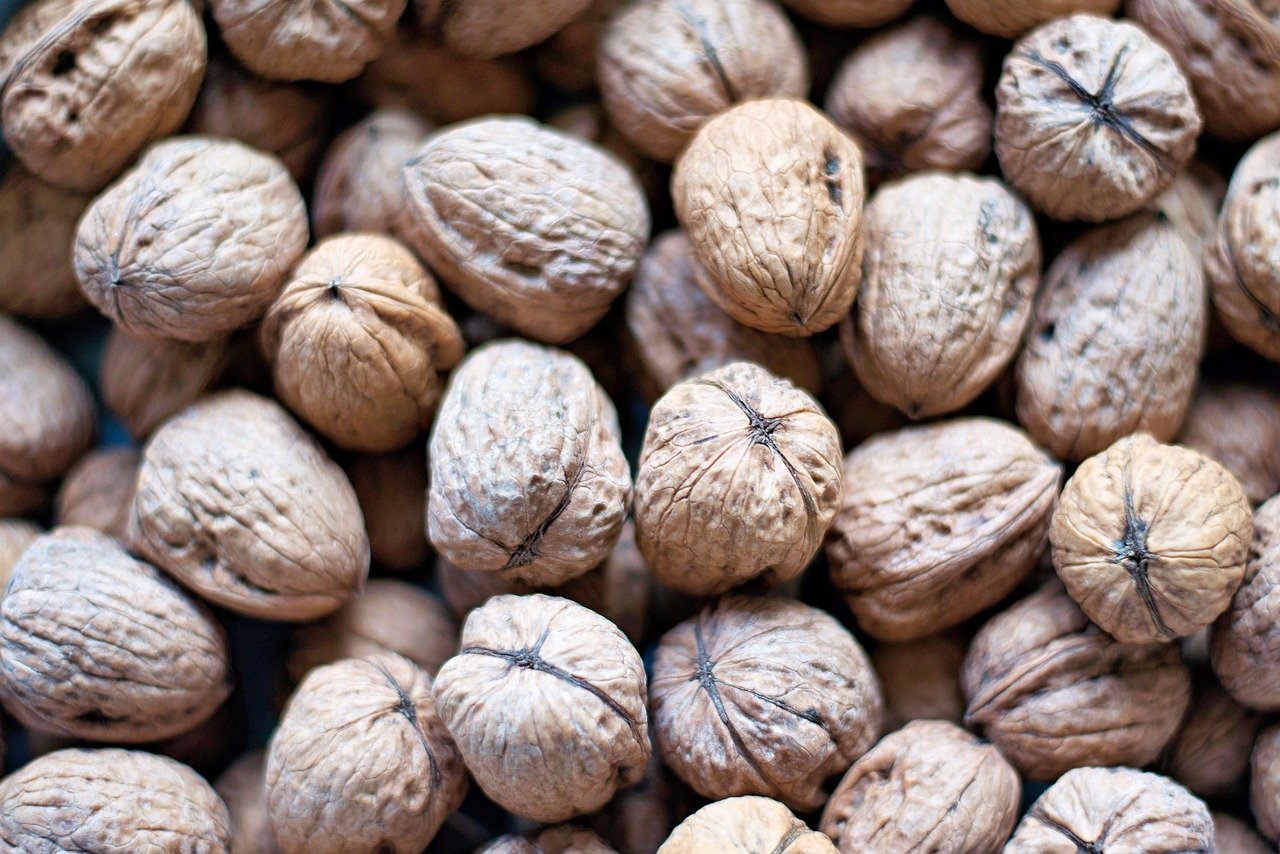
- Omega-3 Fatty Acids: Found in fatty fish like salmon, mackerel, and sardines, as well as flaxseeds and walnuts, omega-3s are renowned for their anti-inflammatory properties. After a period of inactivity, particularly if there was an underlying injury or illness, inflammation can impede recovery. Omega-3s can help modulate this response, creating a more favorable environment for muscle repair and growth.
- Magnesium: This mineral is involved in over 300 biochemical reactions in the body, including protein synthesis, muscle and nerve function, blood glucose control, and blood pressure regulation. Adequate magnesium intake can help prevent muscle cramps and spasms, and support energy production vital for recovery. Rich sources include leafy green vegetables, nuts, seeds, legumes, and whole grains.
- Calcium: While primarily known for bone health, calcium is also essential for muscle contraction. When muscles contract, calcium is released, triggering the interaction between muscle fibers. Maintaining sufficient calcium levels, in conjunction with Vitamin D, supports not only bone integrity but also efficient muscle function. Dairy products, fortified plant milks, and dark leafy greens are good sources.
- B Vitamins (especially B6, B12, and Folate): These vitamins are crucial for energy metabolism and red blood cell formation, which transports oxygen to muscles. They also play a role in protein metabolism. After inactivity, ensuring sufficient B vitamins supports the body’s increased metabolic demands for repair and rebuilding. Whole grains, lean meats, eggs, and leafy greens are excellent sources.
- Zinc: Involved in immune function, wound healing, and protein synthesis, zinc is another vital mineral for recovery. A zinc deficiency can impair the body’s ability to repair tissues and respond effectively to the demands of rebuilding muscle. Red meat, poultry, beans, nuts, and dairy products provide zinc.
The practical implication here is to aim for a diverse, whole-food diet. Relying solely on protein shakes without considering these other micronutrients can leave gaps in your recovery strategy. For instance, someone focusing on protein but neglecting Vitamin D might find their strength gains slower than expected, even with consistent effort.
The Building Blocks: Nutrition for Muscle Repair and Recovery
The process of muscle repair and recovery is an intricate biological dance, heavily reliant on a steady supply of specific nutrients. Understanding these building blocks is key to optimizing your diet after a period of inactivity.
Protein: The Non-Negotiable Macronutrient
Protein is the cornerstone of muscle repair. It provides the amino acids, which are the literal building blocks for new muscle tissue. After inactivity, your body needs to not only halt muscle breakdown but also initiate muscle protein synthesis (MPS) to rebuild.
- Quantity: The general recommendation for adults is around 0.8 grams of protein per kilogram of body weight per day. However, for muscle recovery, particularly after inactivity and for individuals over 40, this recommendation often increases. Many experts suggest aiming for 1.2 to 1.6 grams of protein per kilogram of body weight daily, sometimes even higher depending on the specific situation and activity level. For a 70 kg (154 lb) individual, this translates to roughly 84-112 grams of protein per day. Spreading this intake throughout the day, rather than consuming it all in one or two large meals, can optimize MPS.
- Quality: Not all proteins are created equal. Complete proteins, which contain all nine essential amino acids that your body cannot produce on its own, are superior for muscle recovery. Animal sources like meat, poultry, fish, eggs, and dairy are complete proteins. Plant-based sources like quinoa, soy, and buckwheat are also complete. Combining different plant proteins (e.g., rice and beans) can also provide a complete amino acid profile.
- Leucine: This essential amino acid is particularly important as it acts as a “trigger” for muscle protein synthesis. Foods rich in leucine include whey protein, beef, chicken, tuna, and eggs.
Carbohydrates: Fuel for Recovery
While protein builds, carbohydrates provide the energy. After inactivity, your body’s glycogen stores (stored carbohydrates in muscles and liver) might be depleted or simply not optimized for renewed activity. Carbohydrates are essential for:
- Replenishing Glycogen: Once you start re-introducing activity, carbohydrates refuel your muscles, providing the energy needed for workouts and daily movement.
- Protein Sparing: When adequate carbohydrates are consumed, your body is less likely to break down protein for energy, allowing that protein to be used specifically for muscle repair and growth.
- Insulin Response: Carbohydrate intake stimulates insulin release, an anabolic hormone that helps drive amino acids into muscle cells, further aiding recovery.
Focus on complex carbohydrates like whole grains (oats, brown rice, whole wheat bread), fruits, and vegetables. These provide sustained energy and a host of vitamins, minerals, and fiber.
Healthy Fats: Supporting Hormonal Balance and Reducing Inflammation
Fats play several critical roles in recovery:
- Hormone Production: Healthy fats are necessary for the production of hormones, including those vital for muscle growth and recovery.
- Vitamin Absorption: Many vitamins (A, D, E, K) are fat-soluble, meaning they require fat for absorption.
- Anti-inflammatory Effects: As mentioned with omega-3s, certain fats can help manage inflammation, a common issue during recovery.
Prioritize unsaturated fats from sources like avocados, nuts, seeds, olive oil, and fatty fish.
Food Choices: 6 Best Foods and Drinks for Muscle Recovery
Translating nutritional principles into practical meal choices is crucial. Here are some of the best foods and drinks to incorporate into your diet for muscle recovery after inactivity:
- Whey Protein (Powder or Dairy Products): Whey protein is a fast-digesting complete protein, rich in leucine. It’s particularly effective post-workout or as a convenient way to boost protein intake throughout the day. Dairy products like Greek yogurt and cottage cheese offer similar benefits, along with calcium and probiotics.
- Example: A smoothie with whey protein, berries, and spinach.
- Salmon and Other Fatty Fish: Excellent sources of high-quality protein and omega-3 fatty acids (EPA and DHA). The anti-inflammatory properties of omega-3s are especially beneficial for recovery.
- Example: Baked salmon with roasted sweet potatoes and broccoli.
- Eggs: Often called nature’s perfect food, eggs are a complete protein source containing all essential amino acids, including a good amount of leucine. They also provide Vitamin D and B vitamins.
- Example: Scrambled eggs with whole-grain toast and avocado.
- Lean Meats (Chicken Breast, Turkey, Lean Beef): These provide high-quality protein, iron (important for oxygen transport to muscles), and B vitamins.
- Example: Grilled chicken breast salad with a variety of colorful vegetables.
- Quinoa: A complete plant-based protein that also delivers complex carbohydrates, fiber, magnesium, and iron. It’s a versatile grain that can replace rice or pasta.
- Example: Quinoa bowl with black beans, corn, and grilled vegetables.
- Milk (Dairy or Fortified Plant-Based): Contains both whey and casein proteins (fast and slow-digesting), electrolytes, and often fortified with Vitamin D and calcium. Chocolate milk, specifically, has been studied for its effectiveness as a post-workout recovery drink due to its ideal ratio of carbohydrates to protein.
- Example: A glass of milk with a meal or as a post-activity beverage.
Comparison: Protein Sources for Recovery
| Protein Source | Type of Protein | Key Nutrients | Speed of Digestion | Best Use Case |
|---|---|---|---|---|
| Whey Protein | Complete | Leucine, BCAA | Fast | Post-workout, quick boost |
| Casein Protein (found in dairy) | Complete | Calcium | Slow | Before bed, sustained release |
| Eggs | Complete | Vitamin D, B vitamins | Moderate | Any meal, versatile |
| Lean Meats | Complete | Iron, B vitamins | Moderate | Main meal component |
| Fish | Complete | Omega-3s, Vitamin D | Moderate | Main meal component, anti-inflammatory |
| Quinoa | Complete (plant) | Fiber, Magnesium, Carbs | Moderate | Plant-based main, carb source |
| Lentils/Beans | Incomplete (plant) | Fiber, Iron, Carbs | Moderate | Paired with other proteins, carb source |
Rebuilding Strength: Beyond the Plate
While nutrition is foundational, rebuilding strength after a period of inactivity involves a multi-faceted approach. Your diet supports your physical efforts, but it doesn’t replace them.
- Gradual Reintroduction of Activity: Start slowly and progressively. Don’t jump back into intense workouts immediately. Begin with low-impact activities like walking, swimming, or cycling, and gradually increase duration, intensity, and resistance. This “progressive overload” principle is key to stimulating muscle growth safely.
- Resistance Training: This is the most effective type of exercise for rebuilding muscle and strength. Bodyweight exercises, resistance bands, free weights, or machines can all be effective. Focus on proper form to prevent injury. Aim for 2-3 sessions per week, targeting all major muscle groups.
- Prioritize Rest and Sleep: Muscle repair and growth primarily occur during rest periods. Aim for 7-9 hours of quality sleep per night. Overtraining and insufficient rest can hinder recovery and even lead to further muscle breakdown.
- Hydration: Water is essential for every bodily function, including nutrient transport, temperature regulation, and joint lubrication. Dehydration can impair performance and slow recovery. Aim for consistent water intake throughout the day.
- Listen to Your Body: Pay attention to signs of fatigue, pain, or discomfort. Pushing too hard too soon can lead to setbacks. Recovery is not linear, and some days will feel better than others.
For example, someone recovering from surgery might start with gentle, supervised physical therapy exercises. Their nutritious diet provides the protein for tissue healing, the carbohydrates for energy to perform the exercises, and the anti-inflammatory nutrients to manage any residual swelling. As they progress, their diet continues to support their increasing resistance training, ensuring their muscles have the fuel and building blocks they need to adapt and grow stronger.
Supplements: A Complement, Not a Replacement
While a whole-food diet should always be the priority, certain supplements can complement your efforts in muscle recovery, especially after a period of inactivity and for those over 40. It’s crucial to remember that supplements are intended to fill nutritional gaps, not replace nutrient-dense foods. Always consult with a healthcare professional or registered dietitian before starting any new supplement regimen.
- Protein Powder (Whey, Casein, or Plant-Based): As discussed, protein is vital. A powder can be a convenient way to meet increased protein needs, especially around workouts or when whole food options are limited.
- Creatine Monohydrate: One of the most researched and effective supplements for increasing muscle strength, power, and lean body mass. It helps regenerate ATP (adenosine triphosphate), the primary energy currency of cells, which is crucial for short bursts of high-intensity activity.
- Vitamin D: If blood tests reveal a deficiency, supplementation is often recommended. Given its role in muscle function and bone health, it’s particularly relevant for recovery and for individuals over 40.
- Omega-3 Fatty Acids (Fish Oil): If dietary intake of fatty fish is inconsistent, an omega-3 supplement can help ensure adequate intake of EPA and DHA to support anti-inflammatory processes.
- Magnesium: If dietary intake is insufficient or if you experience muscle cramps, a magnesium supplement might be beneficial. Different forms exist (e.g., magnesium citrate, glycinate), with varying absorption rates and effects.
- BCAAs (Branched-Chain Amino Acids): While a complete protein source provides all BCAAs (leucine, isoleucine, valine), some individuals use BCAA supplements to potentially reduce muscle soreness and fatigue, or to provide an extra anabolic signal. However, if you are consuming adequate high-quality protein, the additional benefit of BCAA supplementation might be minimal.
- HMB (Beta-hydroxy-beta-methylbutyrate): A metabolite of the amino acid leucine, HMB is thought to help reduce muscle protein breakdown and improve muscle protein synthesis, especially during periods of stress or intense training. It has shown some promise in preserving muscle mass during periods of inactivity or caloric restriction.
It’s important to approach supplements with a critical eye. More isn’t always better, and quality varies widely between brands. Prioritize addressing any identified deficiencies through diet first, then consider supplements as targeted support.
Conclusion
Recovering muscle strength and mass after a period of inactivity, especially after age 40, is a journey that demands consistent effort and a strategic approach to nutrition. It’s not merely about eating more, but about eating smarter – providing your body with the precise building blocks and supportive nutrients it needs to repair, rebuild, and re-strengthen. Prioritize high-quality protein, integrate complex carbohydrates and healthy fats, and ensure a rich intake of vitamins and minerals. Couple these dietary choices with a gradual, progressive reintroduction of physical activity, adequate rest, and hydration. By taking a holistic view, you can effectively eat your way back to strength and resilience, laying a solid foundation for long-term health.