Understanding how much protein to include in each meal is a common question, and the answer isn’t a simple one-size-fits-all number. While daily protein targets are important for overall health, muscle maintenance, and growth, distributing that protein effectively throughout the day, particularly across individual meals, can significantly influence its benefits. This article explores the nuances of protein portion sizes per meal, moving beyond generic recommendations to offer practical guidance based on individual needs and goals.
How much protein should I eat in a serving?
The concept of an “optimal” protein serving per meal often revolves around maximizing muscle protein synthesis (MPS), the process by which your body repairs and builds new muscle tissue. Research suggests that for most healthy adults, a protein intake of roughly 0.25 to 0.4 grams of protein per kilogram of body weight per meal is sufficient to stimulate MPS. For a 150-pound (approximately 68 kg) individual, this translates to about 17 to 27 grams of protein per meal.
However, this range isn’t a strict limit. Some studies indicate that even higher amounts, up to 40 grams or more, can be beneficial, especially for older adults or highly active individuals. The body can only process so much protein for muscle building at any given time, but excess protein still contributes to satiety and overall daily protein intake.
Consider an athlete weighing 200 pounds (approximately 90 kg). Using the higher end of the range (0.4 g/kg), their per-meal target would be around 36 grams of protein. For someone less active or focused purely on general health, the lower end might be more appropriate. The key is to distribute your total daily protein goal across 3-5 meals or substantial snacks. For instance, if your daily goal is 120 grams, aiming for 30 grams in four meals is a practical approach.
Protein Content of Common Foods
Knowing the protein content of various foods is crucial for hitting your per-meal targets. Many common protein sources offer varying amounts, making it important to understand their contributions.
Here’s a general overview of protein content in some popular foods:
| Food Item (Cooked) | Typical Serving Size | Approximate Protein (grams) |
|---|---|---|
| Chicken Breast | 3-4 ounces | 25-35 |
| Lean Beef/Steak | 3-4 ounces | 25-35 |
| Salmon | 3-4 ounces | 20-30 |
| Tuna (canned, drained) | 3 ounces | 20-25 |
| Eggs | 2 large | 12-14 |
| Greek Yogurt (plain, non-fat) | 6 ounces (170g) | 15-20 |
| Cottage Cheese (low-fat) | 1/2 cup | 12-15 |
| Lentils | 1 cup (cooked) | 18 |
| Black Beans | 1 cup (cooked) | 15 |
| Tofu (firm) | 1/2 cup (126g) | 10-12 |
| Quinoa | 1 cup (cooked) | 8 |
| Protein Powder (whey/plant) | 1 scoop | 20-30 |
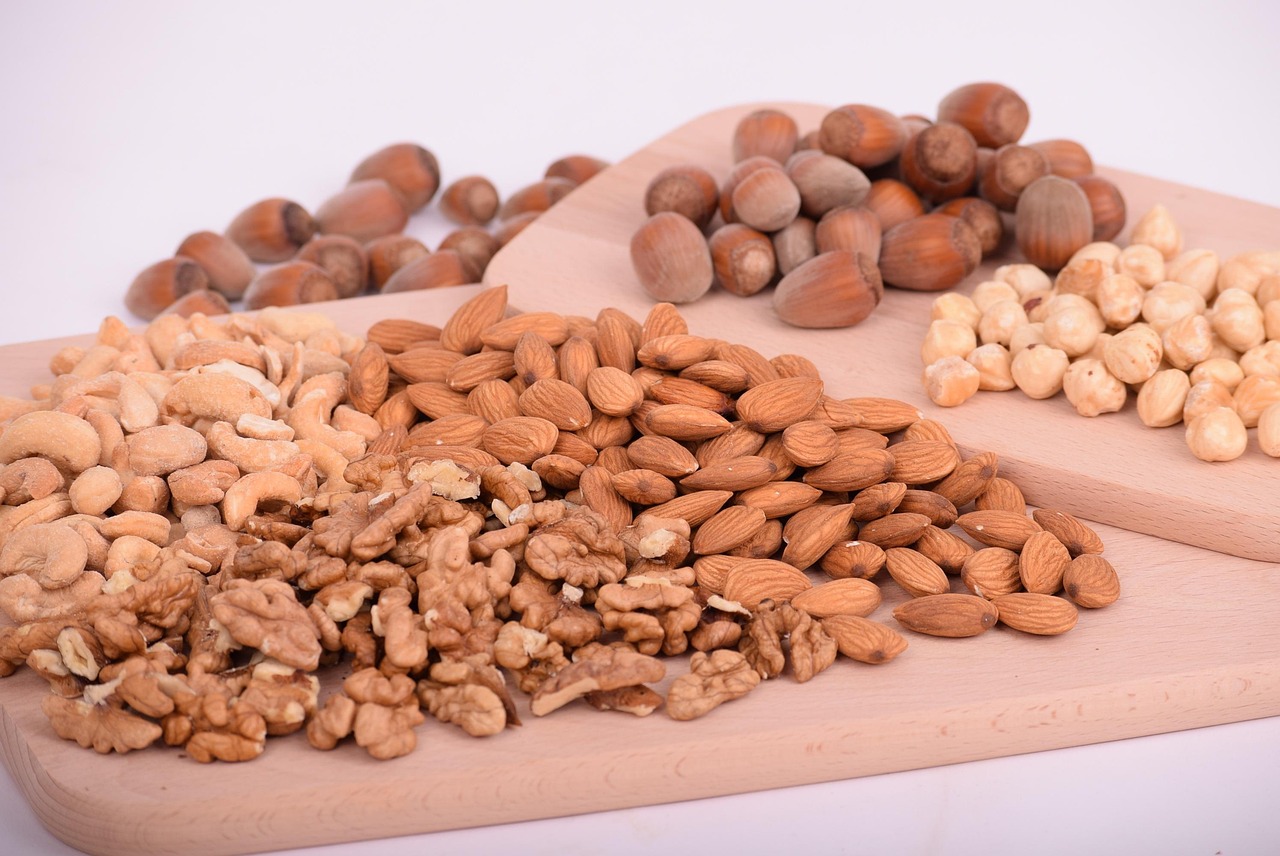
These are approximate values and can vary based on specific brands, preparation methods, and exact portion sizes. The goal isn’t to be exact to the gram every time, but rather to develop an intuitive understanding of which foods are significant protein contributors. For example, relying solely on a small handful of nuts for protein in a meal won’t get you to 20-30 grams, whereas a chicken breast or a large serving of Greek yogurt would.
Protein List Food Portion Size Calories Carbs
When planning meals, it’s helpful to consider the full nutritional profile of protein sources, not just their protein content. Calories, carbohydrates, and fats all play a role in overall dietary balance and energy levels.
Let’s look at how protein sources stack up across these metrics for typical serving sizes, keeping in mind that these are general estimates:
| Food Item (Cooked) | Serving Size | Protein (g) | Calories (approx.) | Carbs (g) | Fats (g) |
|---|---|---|---|---|---|
| Chicken Breast (skinless) | 3 oz | 25 | 120 | 0 | 2 |
| Ground Beef (90% lean) | 3 oz | 22 | 180 | 0 | 10 |
| Salmon (Atlantic) | 3 oz | 22 | 175 | 0 | 10 |
| Egg (large) | 1 egg | 6 | 70 | 0 | 5 |
| Greek Yogurt (plain, 0% fat) | 6 oz | 18 | 100 | 7 | 0 |
| Cottage Cheese (low-fat) | 1/2 cup | 14 | 80 | 3 | 2 |
| Tofu (extra-firm) | 1/2 cup | 10 | 90 | 2 | 5 |
| Lentils (cooked) | 1 cup | 18 | 230 | 40 | 1 |
| Quinoa (cooked) | 1 cup | 8 | 220 | 39 | 4 |
| Whey Protein Powder | 1 scoop | 25 | 120 | 3 | 2 |
This table highlights the diversity. For instance, chicken breast offers a high protein-to-calorie ratio with minimal carbs and fats, making it a staple for many. Salmon, while also high in protein, brings beneficial fats to the table, increasing its caloric density. Plant-based sources like lentils and quinoa offer significant protein but come with a higher carbohydrate load, which can be advantageous for energy but requires consideration for those managing carb intake.
When designing your meals, consider the overall nutritional balance. A meal centered around a lean protein source like chicken or fish can be complemented with vegetables for fiber and micronutrients, and a complex carbohydrate like brown rice or sweet potato for sustained energy. For a vegetarian meal, pairing beans or lentils with a grain like quinoa ensures a complete amino acid profile and provides a good balance of macronutrients.
From Sources to Serving Sizes, What You Need to Know
Determining your individual protein needs involves more than just a general recommendation. Several factors influence how much protein you need per meal and daily:
- Body Weight: A primary determinant. Recommendations are often given as grams per kilogram (g/kg) or grams per pound (g/lb) of body weight.
- Activity Level:
- Sedentary Adults: Generally require 0.8 g/kg of body weight per day.
- Active Individuals/Endurance Athletes: May need 1.2-1.4 g/kg per day.
- Strength Athletes/Bodybuilders: Often aim for 1.6-2.2 g/kg per day, or even slightly higher during intense training or caloric deficit.
- Age: As people age, muscle protein synthesis becomes less efficient, a phenomenon known as “anabolic resistance.” Older adults (over 50) may benefit from higher protein intake, sometimes up to 1.0-1.2 g/kg per day, and potentially higher per-meal servings (e.g., 30-40g) to counteract muscle loss (sarcopenia).
- Goals:
- Muscle Gain: Requires sufficient protein to support muscle repair and growth, often at the higher end of activity-based recommendations.
- Weight Loss: Higher protein intake can help preserve lean muscle mass during a calorie deficit and increase satiety, making it easier to stick to a diet.
- General Health/Maintenance: The baseline recommendations are usually sufficient.
- Special Conditions: Pregnancy, lactation, injury recovery, or certain medical conditions can increase protein requirements. Always consult a healthcare professional or registered dietitian for personalized advice in these situations.
Once you have an estimated daily protein target, distributing it across meals becomes the next step. For example, if you aim for 150 grams of protein daily and typically eat three main meals and one snack, you might aim for 40 grams in each main meal and 30 grams in your snack. This structured approach helps ensure consistent protein intake throughout the day, which is generally more effective for muscle maintenance and growth than consuming a large amount in one meal and very little in others.
Are you getting too much protein?
While protein is essential, concerns about “too much” protein sometimes arise. For healthy individuals, the body is quite efficient at processing protein. Excess protein not used for muscle repair or other bodily functions can be converted to glucose or fat for energy or excreted.
- Short-term effects: Consuming very large amounts of protein in a single sitting might lead to digestive discomfort (bloating, gas) or a feeling of excessive fullness.
- Long-term effects (for healthy individuals): There’s little evidence in healthy individuals that high protein intake, even up to 2.2 g/kg/day, causes kidney damage. This concern often stems from studies on individuals with pre-existing kidney disease, where protein intake indeed needs careful management. For those with healthy kidneys, the kidneys adapt to filter the byproducts of protein metabolism.
- Caloric excess: The primary risk of consistently consuming “too much” protein is that it contributes to overall calorie intake. If these extra protein calories are not offset by reduced intake of other macronutrients or increased activity, they can contribute to weight gain, just like excess calories from carbohydrates or fats.
- Nutrient displacement: A diet overly focused on protein might lead to an insufficient intake of other important nutrients, such as fiber, vitamins, and minerals found in fruits, vegetables, and whole grains. This is more about a poorly balanced diet than protein itself being inherently harmful.
In summary, for most healthy adults, consuming more protein than the recommended daily amount is unlikely to be harmful, though it might not offer additional benefits beyond a certain point. The focus should be on meeting your individual needs and ensuring a balanced diet that includes a variety of nutrient-dense foods. If you have any underlying health conditions, particularly kidney issues, it’s crucial to discuss your protein intake with a doctor or registered dietitian.
Meal Prep Tips for Protein Portions
Effective meal planning and preparation can simplify hitting your protein targets consistently. Here are practical strategies for managing protein portion sizes per meal:
- Cook in Batches: Prepare larger quantities of your preferred protein sources at the beginning of the week. Cooked chicken breast, ground turkey, hard-boiled eggs, or a pot of lentils can be stored in the refrigerator and easily added to meals.
- Example: Roast a whole chicken or several chicken breasts on Sunday. Shred the meat for salads, wraps, or stir-fries throughout the week.
- Use Visual Cues and Measuring Tools: Initially, use a food scale to weigh protein portions to understand what a 3-4 ounce serving of meat looks like, or how much cottage cheese constitutes 15 grams of protein. Over time, you’ll develop a better eye for it.
- Visual Guide: A serving of cooked meat or poultry roughly the size and thickness of a deck of cards is often around 3 ounces (20-25g protein). Your palm can also be a rough guide.
- Invest in Portion Control Containers: These containers, often with separate compartments, can help you pre-portion entire meals, ensuring adequate protein alongside carbohydrates and vegetables.
- Diversify Protein Sources: Don’t rely on just one or two types of protein. Incorporate a mix of animal and plant-based proteins to ensure a broader range of amino acids and micronutrients. This also keeps meals interesting.
- Example: One day might feature chicken, the next lentils, and another day eggs and Greek yogurt.
- Strategize Snacks: Protein-rich snacks can help bridge the gap between meals and contribute to your daily total. Options like Greek yogurt, cottage cheese, a hard-boiled egg, a small handful of nuts, or a protein shake can be valuable.
- Pre-Portion Protein Powder: If you use protein powder, pre-scoop it into individual baggies or small containers for easy mixing on the go.
- Plan for “On-the-Go” Scenarios: Identify healthy protein options available at your workplace cafeteria, local grocery store, or favorite restaurant. Many places offer grilled chicken salads, lean protein bowls, or hard-boiled eggs.
- Understand Restaurant Portions: Restaurant servings are often significantly larger than standard portion sizes. Be mindful of this and consider sharing, asking for a half portion, or taking leftovers home.
By integrating these tips into your routine, you can streamline the process of meeting your protein requirements, making it less of a chore and more of a sustainable habit.
FAQ
What is the 3-3-3 rule for food?
The “3-3-3 rule” is not a widely recognized or scientifically established dietary guideline. It sporadically appears in various contexts, sometimes referring to eating three meals, three snacks, and drinking three liters of water daily, or consuming three specific food groups at each meal. Without a consistent definition, it’s difficult to provide specific dietary advice based on this rule. For reliable nutritional guidance, it’s best to rely on recommendations from established health organizations or qualified nutrition professionals.
How much protein should I have on tirzepatide?
Tirzepatide is a medication used for managing type 2 diabetes and, more recently, for weight loss. While on medications like tirzepatide, which can impact appetite and metabolism, maintaining adequate protein intake is particularly important. Protein helps preserve lean muscle mass during weight loss and contributes to satiety, which can support the medication’s effects.
General recommendations for individuals aiming for weight loss often fall in the range of 1.0 to 1.6 grams of protein per kilogram of body weight per day, distributed across meals. However, your specific needs while on tirzepatide should be discussed with your prescribing doctor or a registered dietitian. They can provide personalized guidance based on your health status, weight loss goals, and how you are responding to the medication. It’s crucial to prevent excessive muscle loss, which can sometimes occur with rapid weight loss.
How much protein should someone with kidney disease eat?
For individuals with kidney disease, protein intake requires careful management, and the recommendations are often lower than for healthy individuals. This is because the kidneys are responsible for filtering waste products from protein metabolism, and in compromised kidneys, a high protein load can exacerbate their workload and potentially accelerate disease progression.
The specific amount of protein recommended depends heavily on the stage of kidney disease:
- Early Stages (CKD Stages 1-3): A moderately restricted protein intake, often around 0.6 to 0.8 grams of protein per kilogram of body weight per day, may be advised.
- Later Stages (CKD Stages 4-5, pre-dialysis): Protein intake may need to be further restricted to 0.6 grams per kilogram of body weight per day, or even lower in some cases, to minimize waste product buildup.
- On Dialysis (Hemodialysis or Peritoneal Dialysis): Paradoxically, protein requirements increase during dialysis because the procedure itself removes protein from the body. Individuals on dialysis may need 1.0 to 1.2 grams of protein per kilogram of body weight per day to prevent malnutrition and muscle wasting.
It is critical for anyone with kidney disease to work closely with a nephrologist and a renal dietitian. They can provide precise, individualized protein recommendations based on the specific stage of kidney disease, treatment plan, and overall health. Self-managing protein intake with kidney disease can be dangerous.
Conclusion
Determining the optimal protein portion sizes per meal isn’t about following a rigid rule, but rather understanding your body’s needs and how different foods contribute to your overall protein intake. Factors like age, activity level, and specific health goals all play a role in shaping your daily and per-meal protein targets. By focusing on distributing protein effectively throughout the day and choosing a variety of nutrient-dense sources, you can support muscle health, satiety, and general well-being. Ultimately, a personalized approach, perhaps guided by a healthcare professional or registered dietitian, offers the most effective path to mastering your protein intake.