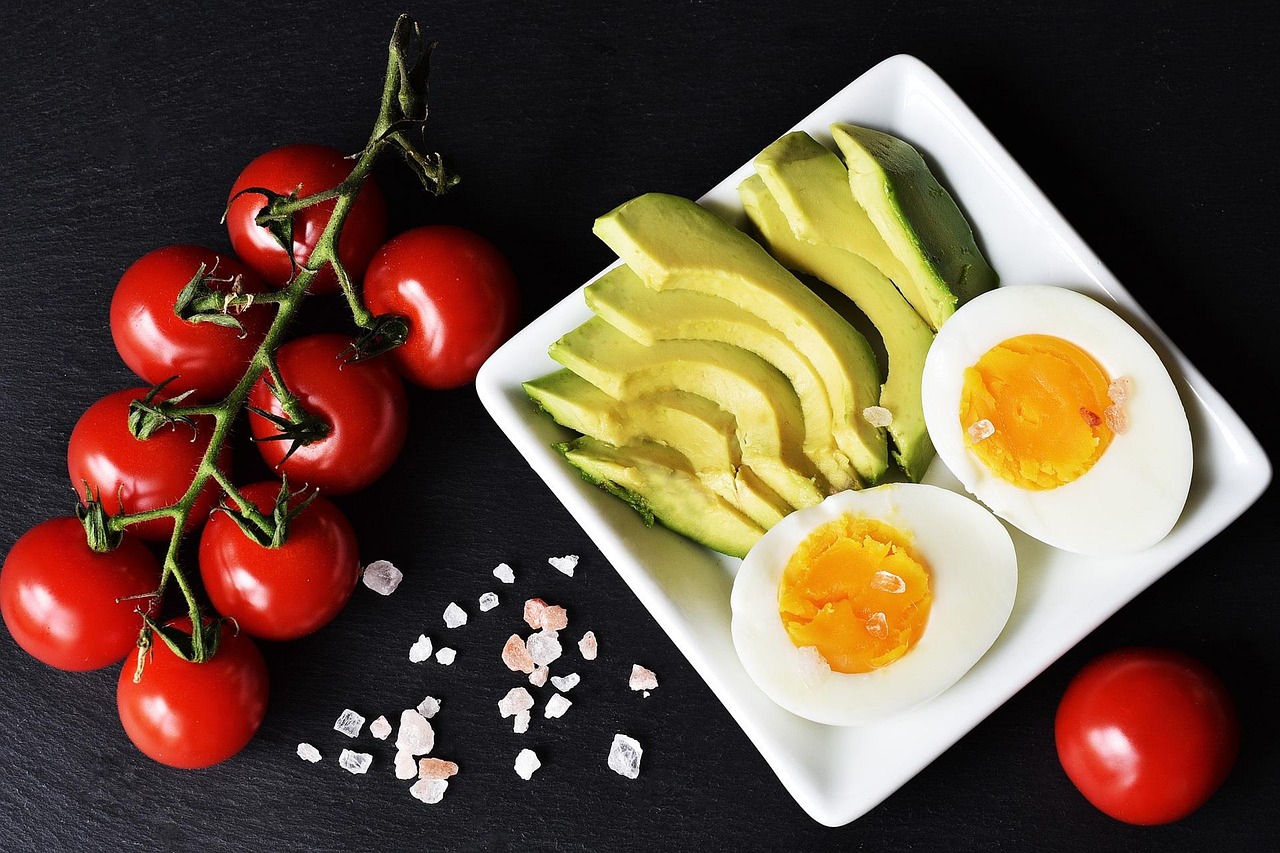
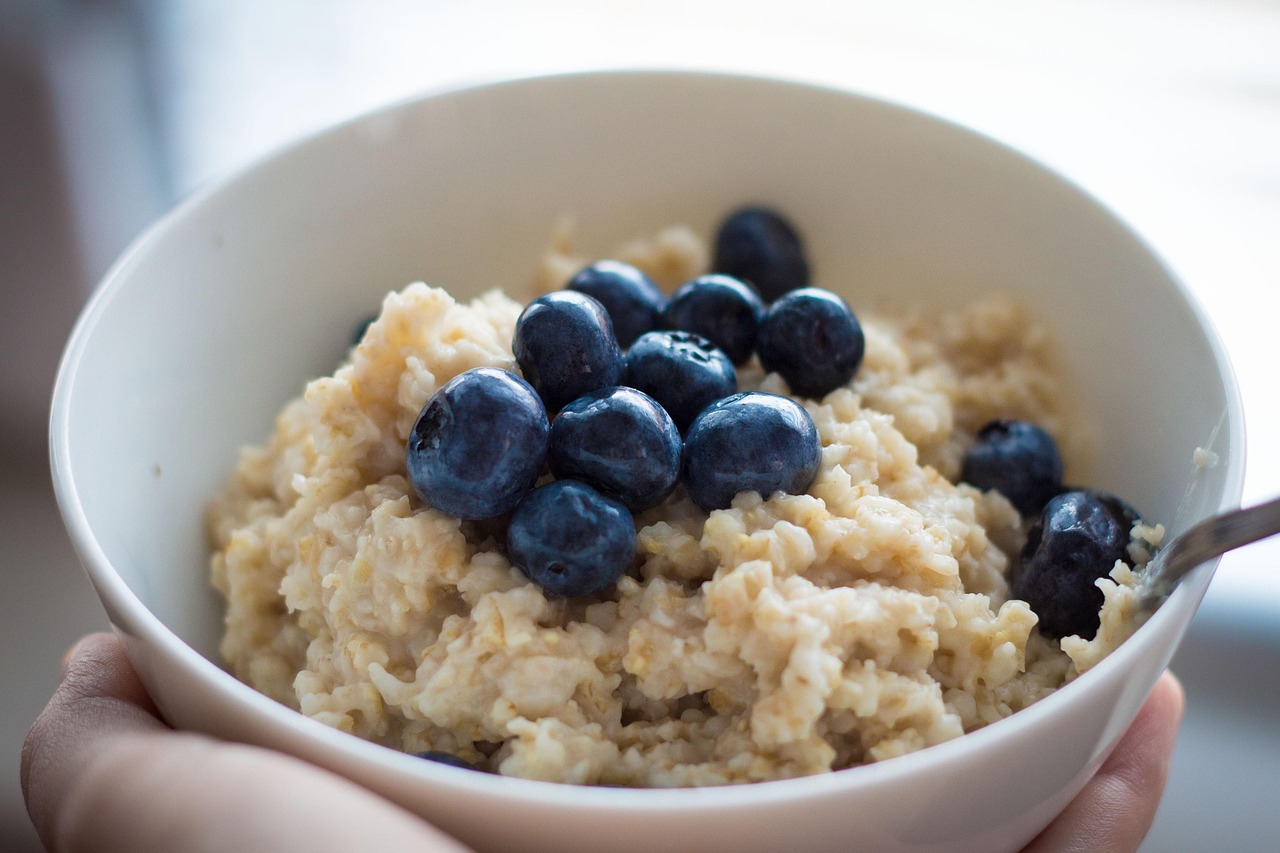
Achieving a calorie deficit is fundamental for weight loss, but it often brings the challenge of increased hunger and cravings. For individuals aiming to lose fat while preserving muscle mass, this challenge is amplified, as inadequate nutrition can lead to muscle loss. This article explores practical, muscle-friendly strategies to manage hunger and cravings effectively within a calorie-restricted diet, ensuring your efforts contribute to sustainable, healthy body composition changes.
How to Crush Hunger While on a Calorie Deficit
Successfully navigating a calorie deficit without succumbing to constant hunger involves understanding how different foods and eating patterns impact satiety. It’s not just about eating less; it’s about eating smarter. The goal is to maximize feelings of fullness on fewer calories, thereby making the deficit more tolerable and sustainable, especially when muscle preservation is a priority.
One core principle is prioritizing nutrient density. When calories are limited, every food choice carries more weight in terms of providing essential vitamins, minerals, and macronutrients. Opting for foods rich in these components means your body receives what it needs to function optimally, which can reduce certain types of hunger signals that arise from nutrient deficiencies. For example, replacing a calorie-dense, nutrient-poor snack like a bag of chips with a handful of almonds or a piece of fruit provides more fiber, healthy fats, and micronutrients, contributing to greater satiety despite similar or even lower calorie counts.
Another practical implication is the timing and distribution of meals. Some individuals find that fewer, larger meals lead to better satiety, while others prefer more frequent, smaller meals to keep hunger at bay. There’s no universal rule here; the key is to experiment and find what works best for your body and schedule. For someone who trains intensely, distributing protein intake across several meals throughout the day can also be beneficial for muscle protein synthesis, indirectly supporting muscle preservation during a deficit. The trade-off might be slightly more meal preparation, but the benefit of sustained energy and reduced hunger can be significant.
Consider a scenario: an individual accustomed to three large, carb-heavy meals a day initiates a calorie deficit. They might experience significant hunger between meals. A potential strategy would be to shift some of those carbohydrates to protein and fiber-rich foods, and perhaps introduce a protein-rich snack. For instance, swapping a large pasta lunch for a chicken salad with plenty of leafy greens and a small whole-grain roll, followed by an afternoon Greek yogurt snack, could significantly improve satiety without increasing calories.
5 No-Nonsense Ways to Manage Hunger During a Fat Loss Phase
Managing hunger during a fat loss phase, particularly when focused on muscle preservation, requires a strategic approach. These five methods are straightforward and effective, aiming to increase satiety and reduce cravings without compromising muscle-building efforts.
Prioritize Protein Intake: Protein is the most satiating macronutrient. It promotes feelings of fullness more effectively than carbohydrates or fats, and it has a higher thermic effect of food (TEF), meaning your body expends more energy to digest it. For muscle preservation, a higher protein intake (typically 1.6-2.2 grams per kilogram of body weight) is crucial during a deficit. This helps signal to the body that muscle tissue should be retained. Practically, this means including a lean protein source like chicken breast, fish, lean beef, eggs, or plant-based options like tofu or lentils with every meal and snack. For example, instead of just oatmeal for breakfast, add a scoop of protein powder or a side of scrambled eggs.
Increase Dietary Fiber: Fiber-rich foods add bulk to your diet without adding many calories. They slow down digestion, leading to a more sustained release of nutrients and prolonged feelings of fullness. Soluble fiber, found in oats, beans, apples, and psyllium husk, forms a gel-like substance in the digestive tract, further enhancing satiety. Insoluble fiber, found in whole grains and vegetables, adds bulk. Incorporating a variety of vegetables into meals, choosing whole grains over refined ones, and including legumes can significantly boost fiber intake. A large salad as a starter for dinner, or adding berries to your morning yogurt, are simple ways to increase fiber.
Hydrate Adequately: Often, thirst signals can be mistaken for hunger. Drinking enough water throughout the day can help manage this. Furthermore, consuming water before meals can temporarily fill the stomach, reducing the amount of food consumed. While not a direct hunger crusher, consistent hydration supports overall bodily functions, including metabolism, and can prevent unnecessary snacking. Aim for at least 8 glasses of water daily, and consider having a glass of water 15-30 minutes before each meal.
Strategic Use of Volume Eating: Volume eating involves consuming large quantities of low-calorie, high-fiber foods. Think huge salads, substantial servings of non-starchy vegetables, and brothy soups. These foods take up significant space in the stomach, triggering stretch receptors that signal fullness to the brain, but contribute minimally to your calorie total. This strategy is particularly useful for individuals who enjoy feeling “full” after a meal. For instance, a stir-fry packed with broccoli, bell peppers, and mushrooms with a modest amount of lean protein can feel much more satisfying than a smaller portion of a calorie-dense dish.
Manage Food Environment and Cravings: Hunger is physiological, but cravings are often psychological. Environmental cues play a significant role. Remove tempting, calorie-dense, nutrient-poor foods from your immediate surroundings. If they’re not easily accessible, you’re less likely to consume them. When a craving hits, try a distraction technique: go for a walk, drink a glass of water, or engage in a hobby. If a craving persists, plan for a small, controlled portion of the desired food within your calorie budget, rather than letting it derail your entire day’s efforts. This mindful approach can prevent binge eating.
How to Control Hunger While Being in a Caloric Deficit?
Controlling hunger during a caloric deficit involves more than just food choices; it encompasses lifestyle adjustments and a deeper understanding of your body’s signals. The strategies here build upon the foundational principles, offering practical ways to integrate them into daily life, especially for those focused on maintaining muscle.
One key aspect is meal timing and structure. While the “best” meal frequency is individual, structuring your meals to align with your hunger patterns can be highly effective. If you find yourself ravenous in the evenings, allocate more calories to your dinner or an evening snack. Conversely, if mornings are tough, ensure your breakfast is robust and protein-rich. The practical implication for muscle preservation is to ensure consistent protein intake throughout the day, ideally every 3-4 hours, to support muscle protein synthesis. For example, instead of skipping breakfast and having a huge lunch, consider a smaller, protein-rich breakfast, a balanced lunch, and a substantial dinner, perhaps with a protein shake post-workout.
Mindful eating practices also play a crucial role. Eating slowly, without distractions, allows your body time to register fullness signals. It often takes about 20 minutes for the stomach to signal to the brain that it’s full. If you eat too quickly, you might consume more food than necessary before these signals kick in. This means putting down your fork between bites, chewing thoroughly, and paying attention to the taste, texture, and smell of your food. This practice can reveal that you’re satisfied with less food, reducing overall calorie intake without feeling deprived.
Strategic snacking can be a powerful tool for hunger control. While some prefer to avoid snacks to save calories for larger meals, well-chosen snacks can bridge the gap between meals and prevent excessive hunger that leads to overeating. The best snacks are high in protein and/or fiber. Examples include Greek yogurt, cottage cheese, a hard-boiled egg, a small handful of nuts, or vegetable sticks with hummus. These snacks provide satiety and contribute to your daily protein target for muscle maintenance.
Finally, managing sleep and stress significantly impacts hunger hormones. Lack of sleep can increase ghrelin (the hunger hormone) and decrease leptin (the satiety hormone), making you feel hungrier and crave less healthy foods. Chronic stress can also lead to increased cortisol levels, which can promote fat storage and increase appetite. Prioritizing 7-9 hours of quality sleep per night and incorporating stress-reducing activities like meditation, yoga, or spending time in nature can indirectly but powerfully aid in hunger management. This is particularly important for older adults, whose hormonal regulation might be more sensitive to these factors, impacting both hunger and muscle preservation.
Calorie Deficit and Training: Benefits That Make Hunger Worth It
Engaging in a calorie deficit often feels like a constant battle against hunger, but when combined with resistance training, the benefits extend far beyond simple weight loss. Understanding these benefits can provide the motivation needed to push through periods of hunger, especially when the goal is a lean, strong physique.
The primary benefit of combining a calorie deficit with resistance training, particularly for muscle-friendly strategies, is body recomposition. While a calorie deficit alone leads to weight loss (a mix of fat and muscle), resistance training signals to the body that muscle mass is vital and should be preserved. This means that during a deficit, the body is more likely to tap into fat stores for energy rather than breaking down muscle tissue. The hunger experienced is then a temporary discomfort on the path to a more favorable body composition – less fat, more muscle. This shift not only improves aesthetics but also enhances metabolic health, as muscle is more metabolically active than fat.
Another significant benefit is the improved hormonal environment that results from both fat loss and muscle retention. Reduced body fat, especially visceral fat, can lead to better insulin sensitivity, which is crucial for overall health and can help regulate appetite. Maintaining or increasing muscle mass can also positively impact growth hormone and testosterone levels (in both men and women), which play roles in metabolism and overall well-being. When your hormones are better regulated, the intense, often irrational hunger signals can become more manageable.
Furthermore, the psychological benefits of seeing progress in both strength and body composition can be a powerful motivator. Lifting heavier, performing more repetitions, or seeing definition emerge can make the temporary discomfort of hunger much more bearable. This positive feedback loop reinforces adherence to the diet and training plan. For someone who might feel constantly hungry, seeing their strength increase in the gym despite being in a deficit is a tangible sign that their muscle-friendly strategies are working, making the hunger a worthwhile trade-off for their long-term goals.
The “worth” of hunger in this context is not about suffering, but about recognizing it as a temporary signal that your body is adapting. It’s a sign that you are indeed in a deficit and that energy reserves are being utilized. By employing the strategies discussed, this hunger can be managed and mitigated, allowing you to reap the profound benefits of a calorie deficit coupled with effective training – a stronger, leaner, and healthier body.
Cutting Calories? 8 Strategies to Combat Hunger
Cutting calories can be challenging, but a multi-faceted approach can significantly alleviate hunger. These eight strategies offer concrete actions to integrate into your daily routine, making a calorie deficit more sustainable and muscle-friendly.
Eat More Protein, Earlier: As established, protein is king for satiety. Distributing a significant portion of your daily protein intake towards the beginning of your day, particularly at breakfast, can set you up for reduced hunger throughout. A high-protein breakfast can curb ghrelin levels and keep you fuller for longer than a carb-heavy alternative.
- Example: Instead of toast and jam, opt for Greek yogurt with berries and a scoop of protein powder, or scrambled eggs with spinach.
Load Up on Non-Starchy Vegetables: These are nutrient-dense, high in fiber, and very low in calories. They add significant volume to your meals, helping you feel full without adding many calories.
- Example: Make half of your plate at lunch and dinner consist of vegetables like broccoli, cauliflower, leafy greens, or bell peppers.
Drink Water Before Meals: A simple yet effective trick. Drinking a large glass of water 15-30 minutes before a meal can partially fill your stomach, potentially leading to eating less.
- Example: Keep a water bottle handy and make it a habit to drink a full glass before sitting down to eat.
Include Healthy Fats (in moderation): While calorie-dense, healthy fats like those found in avocados, nuts, seeds, and olive oil can contribute to satiety and slow digestion. The key is moderation due to their high caloric value.
- Example: Add a quarter of an avocado to your salad, a tablespoon of chia seeds to your yogurt, or a small handful of almonds as a snack.
Prioritize Sleep: Lack of sleep disrupts hunger-regulating hormones (ghrelin and leptin), making you hungrier and increasing cravings for high-calorie foods. Aim for 7-9 hours of quality sleep.
- Example: Establish a consistent bedtime routine, making your bedroom dark, quiet, and cool.
Manage Stress: Chronic stress can elevate cortisol, which can increase appetite and cravings, particularly for comfort foods.
- Example: Incorporate stress-reducing activities like meditation, deep breathing exercises, or light exercise into your daily routine.
Chew Your Food Thoroughly: This isn’t just about digestion; it allows your body more time to register fullness signals. Eating slowly and mindfully can lead to greater satisfaction with less food.
- Example: Put your fork down between bites, and try to chew each mouthful 20-30 times.
Strategic Use of Coffee/Tea: Caffeinated beverages can temporarily suppress appetite for some individuals. They are also calorie-free (without added sugar/cream) and can provide a mental boost.
- Example: A black coffee or green tea between meals can sometimes help bridge the gap if hunger strikes.
Preserving Healthy Muscle During Weight Loss - PMC - NIH
The National Institutes of Health (NIH) and various peer-reviewed studies (often found via PMC, PubMed Central) consistently highlight the importance of muscle preservation during weight loss, especially for long-term health and metabolic function. When an individual is in a calorie deficit, the body seeks energy from its stores. Without proper strategies, a significant portion of this energy can come from muscle tissue, which is counterproductive to health and fitness goals.
The core idea, supported by research, is that a sufficient protein intake combined with resistance training is paramount for mitigating muscle loss during a calorie deficit. Studies indicate that individuals consuming higher protein diets (typically 1.6 to 2.2 grams per kilogram of body weight) while in a deficit and engaging in resistance training retain significantly more lean body mass compared to those on lower protein diets or those who only diet without exercise. This approach signals to the body that muscle is being used and is therefore valuable, prompting the body to spare it.
Practical implications for older adults are particularly critical. As we age, sarcopenia (age-related muscle loss) becomes a concern. Losing additional muscle during a weight loss phase can exacerbate this, leading to reduced strength, mobility, and an increased risk of falls. Therefore, for older adults, the emphasis on protein and resistance training within a calorie deficit is even more pronounced. The trade-offs might include a higher focus on meal planning to ensure adequate protein distribution and a commitment to structured strength training, even with lighter weights or bodyweight exercises.
Consider a scenario where an older adult wants to lose 10 pounds for health reasons. Simply cutting calories drastically without attention to protein or exercise could result in 3-4 pounds of muscle loss, in addition to fat. However, by incorporating daily resistance training (2-3 times per week) and ensuring a protein intake of at least 1.6g/kg body weight, they could lose those 10 pounds predominantly from fat, preserving their functional strength and metabolic health.
The NIH and other research bodies consistently advocate for a holistic approach to weight management that prioritizes body composition over just scale weight. This means focusing on strategies that promote fat loss while actively working to preserve or even build muscle. These strategies, inherently muscle-friendly, also tend to be effective at managing hunger and cravings because of the satiating nature of protein and fiber, creating a virtuous cycle for sustainable weight management.
FAQ
What is the 3 3 3 rule for weight loss?
The “3-3-3 rule” for weight loss is not a universally recognized or scientifically established guideline. It typically refers to various informal dieting suggestions, such as drinking 3 glasses of water before each meal, eating 3 meals a day with 3 snacks, or eating 3 specific foods. Without a clear and consistent definition, it’s best to rely on evidence-based strategies for weight loss and muscle preservation, such as those focusing on protein intake, fiber, and resistance training.
How to combat hunger during a calorie deficit?
Combating hunger during a calorie deficit involves several key strategies:
- Prioritize protein: Include lean protein sources with every meal and snack.
- Increase fiber intake: Consume plenty of non-starchy vegetables, whole grains, and legumes.
- Stay hydrated: Drink water throughout the day, especially before meals.
- Practice mindful eating: Eat slowly and pay attention to your body’s fullness cues.
- Manage sleep and stress: Ensure adequate sleep and incorporate stress-reduction techniques.
- Strategic snacking: Choose high-protein, high-fiber snacks to bridge meals.
- Volume eating: Fill up on low-calorie, high-volume foods like salads and brothy soups.
What’s the worst carb for belly fat?
There isn’t a single “worst carb” for belly fat; rather, it’s the overall pattern of consuming refined and added sugars that contributes to increased visceral (belly) fat. Refined carbohydrates, such as white bread, pastries, sugary drinks, and highly processed snacks, are quickly digested, leading to rapid spikes in blood sugar and insulin. Over time, a diet high in these types of carbohydrates can promote fat storage, particularly around the midsection. Whole, unprocessed carbohydrates like fruits, vegetables, and whole grains, which are rich in fiber, are digested slowly and generally do not contribute to belly fat accumulation in the same way. The key is to reduce intake of added sugars and refined grains while prioritizing complex, fiber-rich carbohydrates.
Conclusion
Successfully navigating a calorie deficit while preserving muscle mass and managing hunger is a multifaceted endeavor. It requires a deliberate shift in dietary choices, prioritizing protein and fiber-rich foods, strategic meal timing, and consistent hydration. Beyond nutrition, lifestyle factors like adequate sleep and stress management play a crucial role in regulating appetite and cravings. When combined with resistance training, these muscle-friendly strategies not only make the weight loss journey more tolerable but also lead to a more favorable body composition, enhancing metabolic health and overall well-being. By implementing these practical, evidence-informed approaches, individuals can achieve their fat loss goals without sacrificing hard-earned muscle or succumbing to relentless hunger.