As we age, maintaining muscle mass becomes increasingly challenging. This natural decline, known as sarcopenia, can significantly impact quality of life, independence, and overall health. Leucine, one of the three branched-chain amino acids (BCAAs), has garnered considerable attention for its potential to counteract this age-related muscle loss. It plays a crucial role in stimulating muscle protein synthesis (MPS), the process by which the body repairs and builds new muscle tissue. For older adults, understanding leucine’s benefits and how to effectively incorporate it into their diet could be a key component in preserving muscle strength and promoting healthy aging.
Efficacy and Safety of Leucine Supplementation in the Elderly
The question of whether leucine supplementation is effective and safe for older adults is a recurring one. Research suggests that while leucine is a potent stimulator of muscle protein synthesis, its efficacy can be influenced by several factors, including the overall protein intake, the timing of consumption, and the individual’s activity level.
Studies have shown that older adults often experience “anabolic resistance,” meaning their muscles are less responsive to the signals that trigger muscle growth compared to younger individuals. This makes it harder for them to build and maintain muscle, even with adequate protein intake. Leucine, however, appears to help overcome some of this resistance. When leucine is consumed as part of a protein-rich meal, or even as a standalone supplement, it can provide a stronger signal to initiate muscle building processes.
From a safety perspective, leucine is generally considered safe when consumed within recommended dietary guidelines. It’s an essential amino acid, meaning the body cannot produce it and must obtain it from food. Excessive intake, far beyond what would be consumed through a balanced diet or typical supplementation, could theoretically lead to imbalances with other amino acids, but such scenarios are uncommon with sensible use. For most older adults, incorporating leucine-rich foods or a targeted supplement within a balanced nutritional plan does not pose significant safety concerns. Always consult a healthcare provider or registered dietitian before starting any new supplement regimen, especially if you have pre-existing health conditions.
Consider an older adult who is moderately active but finds their strength declining. If they consume a meal with sufficient protein, adding a leucine supplement might amplify the muscle-building response that protein alone would provide. However, if that same individual is largely sedentary and has a very low overall protein intake, adding leucine alone might have a more limited effect. It underscores the importance of a holistic approach: adequate total protein, physical activity, and then targeted nutrients like leucine.
Effects of Leucine-Rich Protein Supplements in Older Adults
Leucine-rich protein supplements are designed to provide a concentrated dose of this crucial amino acid, often alongside other essential amino acids. These supplements can be particularly beneficial for older adults who may struggle to consume enough protein through whole foods due to appetite changes, dental issues, or dietary restrictions.
The primary mechanism by which these supplements work is by maximizing the muscle protein synthesis (MPS) response. Leucine acts as a “trigger” for the mTOR pathway, a key cellular signaling pathway involved in muscle growth. In older adults, this trigger often needs a higher threshold of leucine to activate effectively compared to younger individuals. Therefore, a supplement specifically formulated to be leucine-rich can help meet this increased demand.
For instance, a standard whey protein supplement naturally contains a good amount of leucine. However, some specialized supplements might be fortified with additional leucine to further enhance its anabolic potential, especially for individuals dealing with sarcopenia. The advantage here is convenience and a precise dose. An older adult recovering from an illness or injury, for example, might find it easier to consume a leucine-rich protein shake than to eat a large, protein-dense meal.
However, it’s important to differentiate between simply adding leucine and ensuring overall nutritional adequacy. A leucine-rich supplement is not a replacement for a balanced diet. If an individual is deficient in other essential nutrients, simply adding leucine may not yield optimal results. The best approach often involves using these supplements to complement, rather than replace, whole food sources of protein.
| Supplement Type | Leucine Content (per typical serving) | Primary Benefit for Older Adults | Considerations |
|---|---|---|---|
| Whey Protein | High (approx. 2.5-3g) | Excellent overall protein, fast absorption | May contain lactose; consider isolates |
| Casein Protein | Moderate (approx. 2g) | Slow-release protein, good for overnight | Thicker texture; slower digestion |
| Leucine-Enriched BCAA | Very High (e.g., 2:1:1 or 4:1:1 Leucine:Isoleucine:Valine ratio) | Targeted leucine delivery, minimal calories | May lack other essential amino acids |
| Plant-Based Protein (pea, soy) | Variable, generally lower than whey | Suitable for vegetarians/vegans | Often needs higher serving size to match whey’s leucine |
Where to Find Leucine in Food and How to Feed Elderly
While supplements offer a concentrated dose, obtaining leucine from whole foods is always a foundational strategy. Many common foods are excellent sources of leucine, and prioritizing these in the diet of older adults can significantly contribute to their muscle health.
Top Food Sources of Leucine:
- Animal Proteins:
- Beef (especially lean cuts)
- Chicken (breast and thigh)
- Fish (salmon, tuna, cod)
- Eggs
- Dairy products (milk, yogurt, cheese, cottage cheese)
- Plant Proteins:
- Soybeans and soy products (tofu, tempeh)
- Lentils
- Beans (kidney, black)
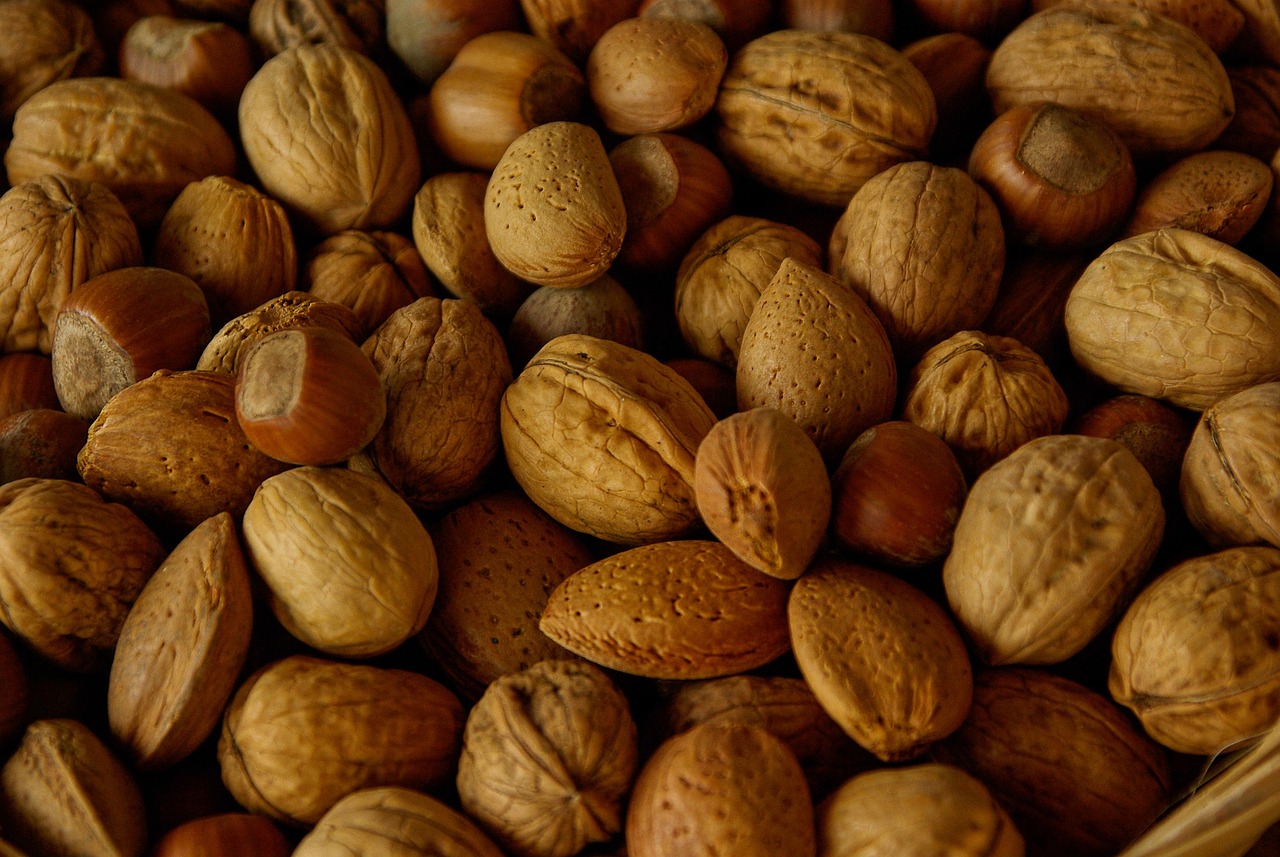
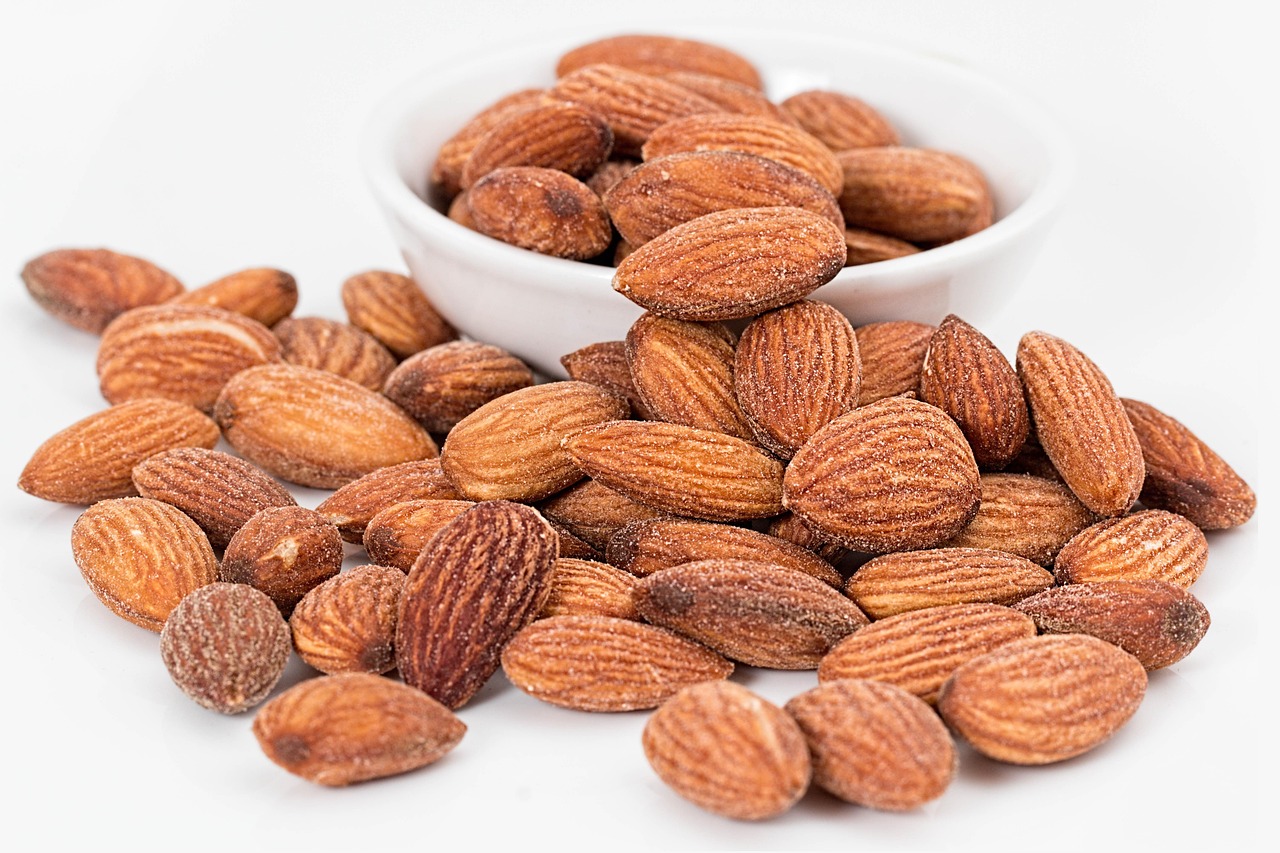
- Nuts (peanuts, almonds)
- Seeds (pumpkin seeds)
- Quinoa
When planning meals for older adults, the goal isn’t just to include leucine-rich foods, but to ensure sufficient overall protein intake spread throughout the day. Many older individuals tend to consume most of their protein at dinner, leading to periods of inadequate amino acid availability for muscle repair and growth. Aiming for 25-30 grams of protein at each main meal can be a more effective strategy.
Practical Feeding Strategies for Older Adults:
- Prioritize Protein at Each Meal: Instead of a small breakfast, encourage eggs, Greek yogurt, or cottage cheese. Lunch could include a chicken salad sandwich or lentil soup. Dinner should feature a lean protein source.
- Snack Smart: Offer protein-rich snacks like a handful of almonds, a small container of yogurt, or a cheese stick between meals.
- Consider Fortification: For those with very low appetites, naturally fortifying foods can help. Adding powdered milk to soups or smoothies, or grated cheese to vegetables, can boost protein and leucine content without significantly increasing meal volume.
- Texture and Palatability: If chewing or swallowing is an issue, softer protein sources like ground meats, flaked fish, smoothies with protein powder, or pureed beans can be more appealing and easier to consume.
- Variety: Offer a range of protein sources to ensure a broad spectrum of nutrients and to prevent dietary boredom.
For example, a breakfast of Greek yogurt with berries and a sprinkle of nuts provides significant leucine. A lunch featuring a tuna salad sandwich on whole wheat bread, or a dinner with baked salmon and quinoa, further contributes. These are practical, everyday examples that don’t necessarily require specialized supplements but still meet the body’s need for leucine and other essential amino acids.
Leucine’s Role in Muscle Synthesis
Leucine’s prominence in discussions about muscle growth stems from its unique role as a signaling molecule. Unlike other essential amino acids that primarily serve as building blocks for proteins, leucine possesses the distinct ability to directly activate the molecular machinery responsible for muscle protein synthesis (MPS).
This activation occurs primarily through the mTOR (mechanistic Target of Rapamycin) pathway. When leucine levels in the blood rise (typically after consuming a protein-rich meal), it signals to muscle cells that amino acids are abundant. This signal then “turns on” the mTOR pathway, which acts as a master regulator of cell growth, proliferation, and protein synthesis. Think of leucine as the key that unlocks the door to muscle building. Without sufficient leucine, even if other amino acids are present, the rate of MPS may not reach its full potential.
In older adults, this signaling pathway can become less sensitive, a phenomenon termed “anabolic resistance.” This means that the same amount of leucine or protein that would trigger a robust MPS response in a younger individual might elicit a blunted response in an older person. This is why a higher threshold of leucine (and overall protein) is often recommended for older adults to effectively stimulate muscle growth and counteract sarcopenia.
The interplay between leucine and other amino acids is also critical. While leucine is the primary trigger, all nine essential amino acids must be present in adequate amounts for complete protein synthesis. Leucine initiates the process, but the other amino acids are the necessary building blocks. This highlights why consuming whole proteins (which contain all essential amino acids) or a balanced essential amino acid supplement is generally more effective for muscle building than leucine in isolation.
Consider a construction site: leucine is the project manager who gives the “go” signal to start building. The other essential amino acids are the bricks, timber, and steel. You can have the best project manager, but if there are no building materials, nothing gets built. Conversely, you can have all the materials, but if the project manager never gives the signal, they sit unused. Both are necessary for effective construction, or in this case, muscle synthesis.
The Effect of Leucine Supplementation on Sarcopenia
Sarcopenia, the progressive loss of muscle mass, strength, and function with aging, is a major public health concern. Leucine supplementation has been extensively studied for its potential to mitigate or even reverse aspects of sarcopenia.
The rationale behind using leucine for sarcopenia is directly linked to its role in stimulating muscle protein synthesis. By providing a stronger anabolic signal, leucine can help older adults overcome the anabolic resistance associated with aging. This can translate into better preservation of existing muscle mass and, in conjunction with exercise, potentially aid in building new muscle.
Several studies, including those reviewed by organizations like PMC (PubMed Central), have investigated the impact of leucine supplementation in sarcopenic populations. These studies often compare groups receiving leucine or leucine-enriched protein supplements to control groups. The outcomes measured typically include changes in lean body mass, muscle strength (e.g., grip strength, leg press), and physical performance (e.g., walking speed, chair stand test).
While the results are not uniformly dramatic, a consistent theme emerges: leucine supplementation, particularly when combined with resistance exercise and adequate overall protein intake, shows promise. For example, some trials have demonstrated that older adults supplementing with leucine experienced a greater increase in lean mass or strength compared to those who did not, especially when the baseline protein intake was suboptimal.
Leucine isn’t a standalone cure for sarcopenia; it acts as an adjuvant. Consider a car struggling uphill: leucine can be like a turbocharger, boosting power, but the car still needs fuel (overall protein) and a driver (exercise) to move forward. Without these, the turbocharger alone won’t get the car up the hill. Therefore, effective strategies for combating sarcopenia integrate:
- Resistance exercise: Essential for providing the mechanical stimulus for muscle growth.
- Adequate total protein intake: To provide all necessary building blocks.
- Targeted leucine intake: To optimize the anabolic signaling.
The nuance lies in recognizing that not all older adults respond identically. Factors like the degree of anabolic resistance, existing health conditions, and the intensity and frequency of exercise all play a role in how effective leucine supplementation will be.
How Leucine Supports Muscle Health and Other Benefits
Beyond its direct role in muscle protein synthesis for growth and repair, leucine contributes to overall muscle health and may offer other systemic benefits.
Maintaining Muscle Quality: It’s not just about the quantity of muscle but also its quality. Leucine helps ensure that the muscle tissue synthesized is functional and robust. This contributes to better muscle strength, power, and endurance, all critical for maintaining physical independence and reducing the risk of falls in older adults.
Metabolic Health: Skeletal muscle is a significant site for glucose uptake and utilization. By preserving or increasing muscle mass, leucine indirectly supports better blood sugar control and insulin sensitivity. This can be particularly beneficial for older adults who are at higher risk for conditions like type 2 diabetes. A greater proportion of muscle mass can act as a metabolic sink for glucose, helping to regulate blood glucose levels more effectively.
Weight Management: Muscle tissue is more metabolically active than fat tissue. Maintaining muscle mass can contribute to a higher resting metabolic rate, which can be helpful for weight management. For older adults, preventing unintended weight loss (which often includes muscle loss) and supporting healthy body composition are important aspects of overall health.
Bone Health (Indirectly): While leucine doesn’t directly impact bone density, stronger muscles provide better support for bones and joints. Resistance exercise, which is crucial for muscle growth and often enhanced by leucine, is also a known stimulus for bone density improvement. By facilitating participation and effectiveness in strength training, leucine can indirectly contribute to better bone health and reduce the risk of osteoporosis-related fractures.
Immune Function: Adequate protein intake, including essential amino acids like leucine, is vital for a robust immune system. Muscle tissue can act as an amino acid reservoir, which can be mobilized during periods of stress, illness, or injury to support immune cell production and function. Preserving this reservoir through consistent leucine and protein intake can be especially important for older adults, who may have a more vulnerable immune system.
Consider an older individual who is recovering from surgery. During such times, the body’s protein needs increase, and there’s a risk of significant muscle loss. Ensuring adequate leucine intake, perhaps through a high-protein supplement, can help mitigate this loss, accelerate recovery, and support immune function. This multifaceted role makes leucine an important dietary component, particularly as we age.
Conclusion
Leucine stands out as a critical amino acid for older adults aiming to preserve muscle mass and function. Its unique ability to directly trigger muscle protein synthesis helps counteract age-related anabolic resistance, making it a valuable nutrient in the fight against sarcopenia. While leucine-rich protein supplements can offer a convenient and effective way to boost intake, the foundation for muscle health remains a diet rich in whole protein sources, strategically distributed throughout the day. When combined with regular resistance exercise, optimizing leucine intake, whether through food or supplementation, provides a robust strategy for maintaining muscle strength, supporting metabolic health, and ultimately contributing to a more active and independent later life. Always consult with a healthcare professional before making significant dietary changes or starting new supplements.