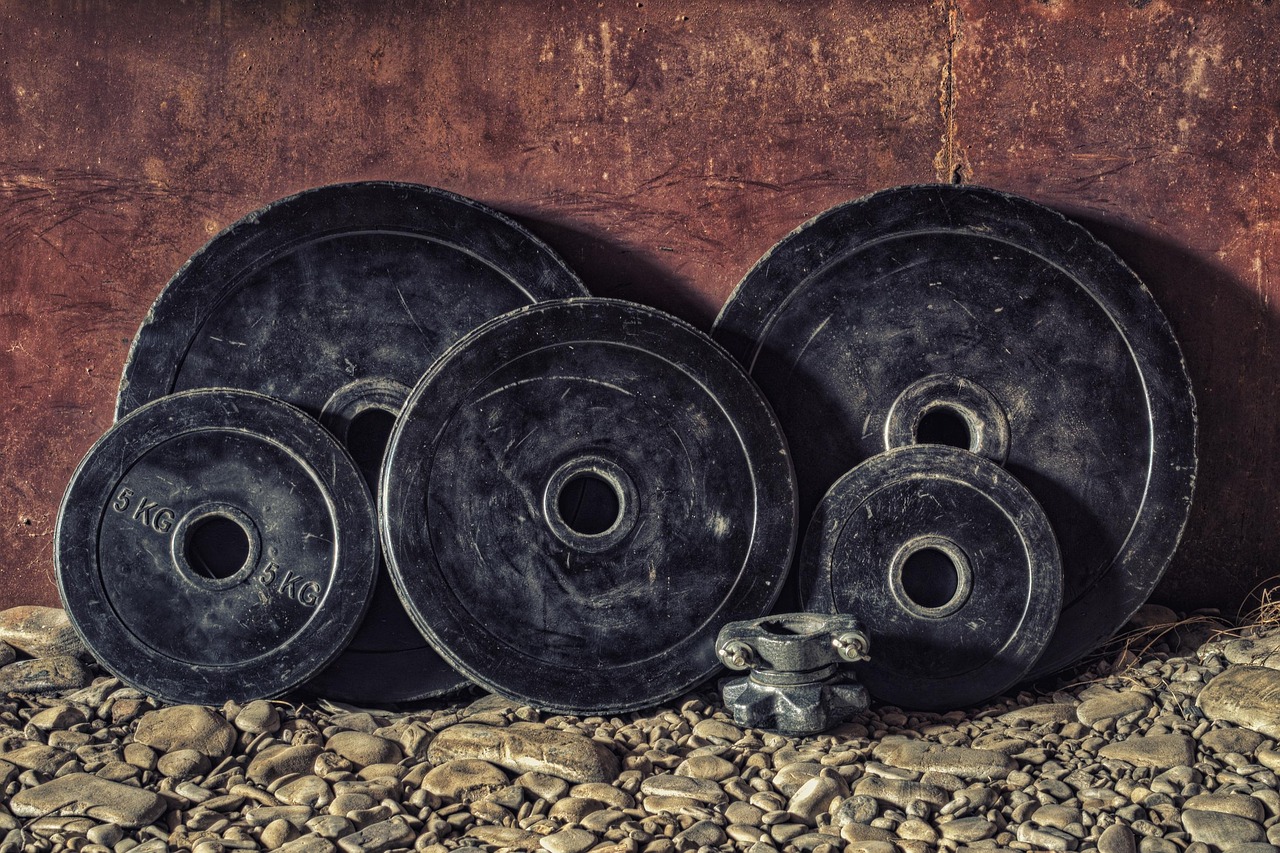

Tracking muscle preservation at home doesn’t require specialized gym equipment or frequent doctor visits. The goal is to monitor changes in your physical capabilities and body composition over time, using accessible methods. This approach focuses on practical, observable metrics that reflect muscle health and function, allowing you to make informed adjustments to your routine. For many, especially as they age, maintaining muscle mass is crucial for overall health, mobility, and quality of life.
Observing Strength Changes Through Everyday Activities
One of the most straightforward ways to track muscle preservation at home is by observing your performance in common strength-based movements. These aren’t formal exercises, but rather actions you perform regularly that can indicate subtle shifts in your muscle strength and endurance.
Consider the following:
- Stairs: How many flights of stairs can you comfortably ascend before needing a break? Does this number remain consistent, improve, or decrease over months? Can you carry groceries up the same number of stairs with similar ease? A decline in this capacity might suggest a dip in lower body strength. Conversely, finding it easier indicates maintained or improved muscle function.
- Lifting and Carrying: Pay attention to how easily you lift and carry household items: laundry baskets, bags of pet food, or even a child. Are these tasks becoming more challenging, or are they consistently manageable? Note any increase in perceived effort for the same weight.
- Getting Up from Seated Positions: How effortlessly can you rise from a low chair or from the floor without using your hands for support? This is a strong indicator of core and lower body strength. If you find yourself relying more on your arms or struggling, it’s a signal to assess your muscle maintenance.
- Pushing/Pulling: Observe your ability to push a heavy door open, pull a vacuum cleaner, or move furniture. These actions engage various muscle groups, and a noticeable change in your capacity can point to muscle shifts.
The practical implication here is consistency. Perform these observations regularly, perhaps once a month, and keep a simple journal of your perceived effort or the number of repetitions you manage for specific tasks (e.g., “rose from floor 5 times without hands,” “carried two bags of groceries up stairs without stopping”). This isn’t about setting new personal bests every time, but rather about noticing trends. A sustained decline across multiple activities warrants attention. The trade-off is the subjective nature of these observations; they aren’t quantitative measurements. However, their accessibility and direct relevance to daily function make them valuable for home muscle tracking.
Home-Based Strength Assessments Without Gym Equipment
Beyond daily activities, you can perform specific, repeatable bodyweight exercises to gauge your strength and endurance, directly reflecting muscle preservation. These assessments require no specialized equipment and can be done in a small space.
Here are some examples:
- Push-ups: Perform as many repetitions as you can with good form. You can modify this by doing push-ups against a wall, on your knees, or on an elevated surface (like a sturdy table).
- Squats: Count how many bodyweight squats you can complete with proper depth (hips below knees, if possible) before your form breaks down.
- Plank Hold: Measure how long you can hold a plank position with a straight back and engaged core.
- Single-Leg Balance: Stand on one leg for as long as possible without losing balance or putting your other foot down. This assesses stability and leg strength.
- Wall Sit: Lean against a wall with knees bent at a 90-degree angle and hold the position.
To make these effective for tracking, establish a baseline. On a designated day, perform each assessment to your maximum capacity while maintaining good form. Record the numbers. Then, repeat these assessments every 4-6 weeks under similar conditions (e.g., same time of day, similar energy levels).
Tracking Table for Home Strength Assessments
| Assessment | Baseline (Date) | Month 1 (Date) | Month 2 (Date) | Month 3 (Date) | Notes (Form, Effort) |
|---|---|---|---|---|---|
| Push-ups (reps) | 10 | 11 | 10 | 12 | Knee push-ups |
| Bodyweight Squats (reps) | 15 | 16 | 15 | 17 | Full depth |
| Plank Hold (seconds) | 45 | 48 | 45 | 50 | Core engaged |
| Single-Leg Balance (seconds, L/R) | 30/28 | 32/30 | 30/29 | 35/33 | Eyes open |
| Wall Sit (seconds) | 60 | 65 | 60 | 70 | Back straight |
Practical implications: Consistent or improving numbers indicate successful muscle preservation or even growth. Declining numbers should prompt you to evaluate your activity levels, nutrition, and recovery. The trade-off is that these are functional strength indicators, not direct measures of muscle mass. However, for home muscle tracking, they provide actionable insights without needing specialized tools.
The Role of Body Measurements and Visual Cues
While scales primarily measure total body weight, they don’t differentiate between muscle, fat, or water. For home muscle tracking, body measurements and visual assessments offer a more direct, albeit still indirect, way to gauge changes in muscle mass.
- Circumference Measurements: Use a flexible tape measure to track the circumference of key muscle groups. Focus on areas like your biceps (flexed), forearms, chest, waist, hips, thighs (mid-thigh), and calves.
- Method: Measure at the same spot each time (e.g., mark a spot on your arm with a washable marker). Take measurements once a month, ideally at the same time of day (e.g., morning before eating).
- Interpretation: Stable or increasing measurements in muscle-dense areas (arms, thighs, calves) while waist measurement remains stable or decreases could suggest muscle preservation or growth relative to fat. A decrease in muscle-dense areas without a corresponding weight loss might indicate muscle loss.
- Photographs: Take progress photos. Stand in the same spot, wear similar clothing (e.g., swimwear or fitted exercise gear), and use consistent lighting. Take front, side, and back photos every 4-6 weeks.
- Interpretation: Compare photos side-by-side. Look for changes in muscle definition, overall shape, and posture. Muscle preservation often manifests as improved tone and a more “athletic” or defined appearance, even if the scale doesn’t change significantly.
- Clothing Fit: Notice how your clothes fit. If your shirts feel tighter in the arms or shoulders, or your pants fit better around the thighs and waist, it can be an indicator of muscle changes. This is a very subjective but often accurate personal barometer.
Trade-offs: Body measurements can be prone to user error if not taken consistently. Photos are subjective but powerful visual tools. Neither directly measures muscle mass, but together they offer valuable qualitative and semi-quantitative data for home muscle tracking. The key is consistency in method and patience in observing trends.
Nutritional Strategies for Muscle Preservation
Your diet plays a fundamental role in muscle preservation, especially as you age or if you’re trying to manage weight. Tracking your nutritional intake, even informally, can provide insights into your body’s ability to maintain muscle.
Key nutritional considerations for muscle preservation include:
- Adequate Protein Intake: Protein is the building block of muscle. Aim for a sufficient amount of protein spread throughout your day. For most active adults, this means roughly 0.7 to 1 gram of protein per pound of body weight, though individual needs vary.
- Tracking: Keep a food diary for a few days each month, focusing on protein sources. Are you consistently including protein at each meal? Examples include lean meats, poultry, fish, eggs, dairy, legumes, and protein supplements.
- Balanced Macronutrients: While protein is crucial, carbohydrates provide energy for workouts and recovery, and healthy fats support hormone production and overall health.
- Tracking: Ensure your diet includes a variety of whole grains, fruits, vegetables, and healthy fats (avocado, nuts, seeds, olive oil). Avoid restrictive diets that eliminate entire food groups unless medically necessary.
- Hydration: Water is essential for all bodily functions, including muscle health. Dehydration can impair performance and recovery.
- Tracking: Monitor your water intake. Aim for at least 8 glasses (64 ounces) daily, more if you’re active.
- Micronutrients: Vitamins and minerals are cofactors in numerous metabolic processes, including muscle repair and growth.
- Tracking: Focus on a diverse diet rich in fruits and vegetables to ensure adequate micronutrient intake.
Practical implications: If you’re consistently active but observing declines in strength or body measurements, review your diet. Are you consistently meeting your protein needs? Are you adequately fueled before and after workouts? A sudden shift in dietary habits, such as significant calorie restriction without sufficient protein, is a common culprit for muscle loss.
Incorporating Recovery and Lifestyle Factors
Muscle preservation isn’t just about what you do during exercise or what you eat; it’s also heavily influenced by your recovery and overall lifestyle. These factors, while less direct to “track,” are critical for home muscle preservation efforts.
- Sleep Quality and Quantity: Sleep is when your body repairs and rebuilds muscle tissue. Chronic sleep deprivation can impair recovery and hinder muscle maintenance.
- Self-monitoring: Keep a sleep log. Note your bedtime, wake time, and how rested you feel upon waking. Aim for 7-9 hours of quality sleep per night.
- Stress Management: High levels of chronic stress can elevate cortisol, a hormone that can contribute to muscle breakdown.
- Self-monitoring: Pay attention to your stress levels. Are you feeling overwhelmed? Are you taking time to relax and de-stress? Incorporate stress-reducing activities like meditation, deep breathing, or hobbies.
- Active Recovery: Gentle movement, stretching, and foam rolling can improve blood flow, reduce muscle soreness, and aid recovery.
- Self-monitoring: After intense activity, do you incorporate active recovery? Do your muscles feel chronically tight or sore?
- Consistency in Activity: Sporadic bursts of intense exercise followed by long periods of inactivity are less effective for muscle preservation than consistent, moderate activity.
- Self-monitoring: Are you consistently engaging in strength-building activities 2-3 times per week?
Trade-offs: These are qualitative assessments, but their impact on muscle preservation is profound. Ignoring recovery and stress can undermine even the best nutrition and exercise plans. A holistic view of your lifestyle is essential for effective home muscle tracking. If your strength or measurements are declining despite consistent training and diet, look to these lifestyle factors.
Addressing Muscle Preservation in Specific Scenarios
Muscle preservation often becomes a more conscious effort under specific circumstances, such as aging or during weight loss.
Strength Changes After 40
As individuals age, particularly after 40, sarcopenia (age-related muscle loss) becomes a significant concern. This natural process can accelerate if not actively counteracted. For home muscle tracking, this means paying even closer attention to the metrics discussed:
- Heightened Awareness: Don’t dismiss minor declines in strength as “just getting older.” Use your home assessments (stairs, squats, plank) as an early warning system.
- Focus on Functional Strength: Prioritize exercises that mimic daily movements. The ability to get up from a chair, carry groceries, or maintain balance is paramount for independent living.
- Protein Timing: Ensure adequate protein intake is spread throughout the day, as older muscles may become less efficient at utilizing protein for synthesis.
- Consistency is Key: Regular strength training, even short sessions of bodyweight exercises, is more critical than ever.
Maintaining Muscle During Weight Loss
Weight loss, particularly through calorie restriction, carries the risk of losing both fat and muscle. The goal is to maximize fat loss while preserving muscle.
- Prioritize Protein: Maintain a high protein intake (e.g., 0.8-1g/lb body weight) to signal to your body to preserve muscle tissue.
- Continue Strength Training: Do not stop strength training during a weight loss phase. It tells your body that your muscles are still needed, encouraging their preservation.
- Monitor Measurements, Not Just Scale: The scale might show weight loss, but your body measurements and progress photos will indicate if you’re losing fat or muscle. If your arm and thigh circumferences are shrinking disproportionately to your waist, you might be losing too much muscle.
- Avoid Extreme Deficits: Very aggressive calorie restriction can lead to rapid weight loss, much of which may be muscle. A moderate, sustainable calorie deficit is generally more effective for muscle preservation.
The practical implication for both aging and weight loss scenarios is to be proactive and consistent with your home muscle tracking methods. Small, consistent efforts over time yield the best results for preserving muscle.
FAQ
What is the 3-3-3 rule at the gym?
The “3-3-3 rule” is not a universally recognized or established training principle. It might refer to something specific within a particular gym’s program or a personal trainer’s methodology. If you encounter this term, it’s best to ask for clarification from the source. In general, effective resistance training programs involve varying sets, repetitions, and rest periods based on individual goals (e.g., strength, hypertrophy, endurance).
What vitamin stops age-related muscle loss?
No single vitamin can “stop” age-related muscle loss (sarcopenia). Muscle loss is a complex process influenced by multiple factors, including reduced physical activity, hormonal changes, and inadequate nutrition. However, several nutrients play crucial roles in muscle health:
- Vitamin D: Essential for muscle function, strength, and bone health. Many older adults are deficient.
- Protein: While not a vitamin, adequate protein intake is paramount for muscle synthesis.
- Omega-3 Fatty Acids: May help reduce inflammation and support muscle protein synthesis.
A balanced diet rich in whole foods, combined with regular resistance exercise, is the most effective strategy to mitigate age-related muscle loss. Consult a healthcare professional or registered dietitian for personalized advice on supplementation.
Does 10 lbs of fat look like 10 lbs of muscle?
No, 10 pounds of fat does not look like 10 pounds of muscle. While they weigh the same, muscle tissue is significantly denser and more compact than fat tissue.
- Muscle: Denser, takes up less space.
- Fat: Less dense, more voluminous, takes up more space.
This means that 10 pounds of muscle will occupy a much smaller volume on your body than 10 pounds of fat. Someone with 10 pounds more muscle and 10 pounds less fat (but the same total body weight) would typically appear leaner, more toned, and smaller in circumference. This is why body measurements and visual cues are often better indicators of body composition changes than the scale alone.
Conclusion
Tracking muscle preservation at home doesn’t require expensive gadgets or a gym membership. By consistently observing your body’s functional capabilities, taking simple measurements, analyzing visual changes, and paying attention to your nutrition and lifestyle, you can effectively monitor your progress. This approach empowers you to make informed decisions about your routine, adapting as needed to maintain or build the muscle mass crucial for long-term health and vitality, particularly as you age or embark on a weight loss journey. The most important takeaway is that consistency in observation and action will yield the most meaningful insights.