
Losing weight after 40 presents unique challenges compared to earlier decades. Metabolism naturally slows, hormonal shifts occur, and the risk of muscle loss (sarcopenia) increases. The goal isn’t just to see a lower number on the scale, but to improve body composition—reducing fat while preserving or even building muscle. This guide explores practical strategies to achieve sustainable weight loss after 40 without sacrificing the muscle mass critical for strength, metabolism, and overall health.
How to Lose Fat Without Losing Muscle: Tips and Tricks for Weight Loss After 40
Effective fat loss while maintaining muscle hinges on a balanced approach that considers both diet and exercise. The common pitfall is aggressive calorie restriction without adequate protein or resistance training, which often leads to significant muscle loss alongside fat. For adults over 40, this balance becomes even more critical due to age-related physiological changes.
Calorie Deficit, Not Starvation: To lose weight, a calorie deficit is necessary—consuming fewer calories than your body expends. However, this deficit should be moderate. A deficit of 300-500 calories per day is generally sustainable and less likely to trigger significant muscle breakdown than very aggressive cuts. For example, if your maintenance calories are 2200, aiming for 1700-1900 calories daily would be a reasonable starting point. Drastic reductions can signal to your body that food is scarce, prompting it to conserve energy by slowing metabolism and breaking down muscle for fuel.
Prioritize Protein Intake: Protein is the cornerstone of muscle preservation during weight loss. It provides the amino acids needed to repair and build muscle tissue and is highly satiating, helping to manage hunger. For adults over 40 actively trying to preserve muscle, a target of 1.6 to 2.2 grams of protein per kilogram of body weight (or 0.7 to 1 gram per pound) daily is often recommended. This might mean including a protein source like lean meat, fish, eggs, dairy, or plant-based options at every meal. For someone weighing 180 pounds, this translates to roughly 126-180 grams of protein per day.
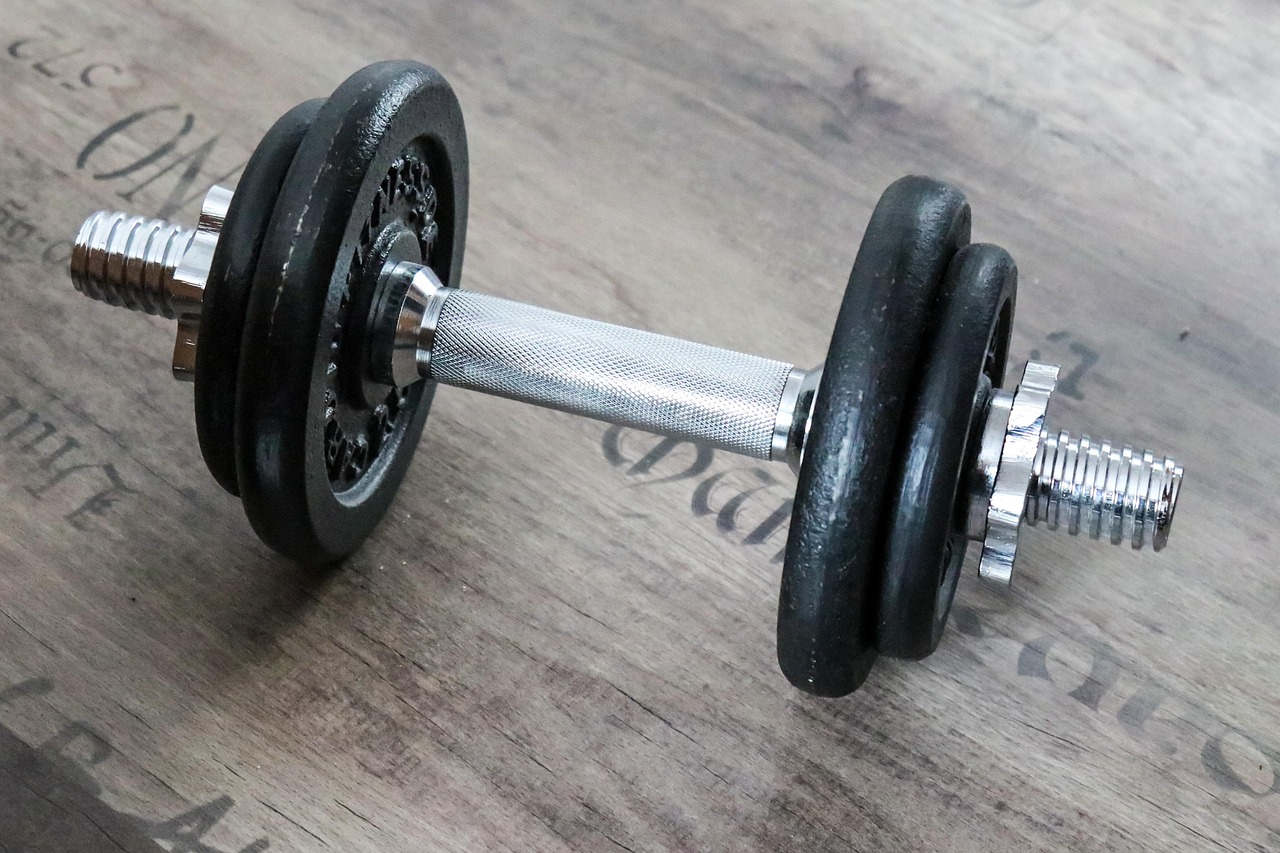
Incorporate Strength Training: Resistance exercise is arguably the most potent stimulus for retaining muscle during a calorie deficit. Lifting weights, using resistance bands, or engaging in bodyweight exercises signals to your body that muscle tissue is essential and needs to be preserved. Aim for 2-3 full-body strength training sessions per week, focusing on compound movements that work multiple muscle groups (e.g., squats, deadlifts, push-ups, rows). This not only helps preserve muscle but can also slightly increase your resting metabolic rate, making fat loss more efficient.
Trying to Lose Weight? Be Careful Not to Lose Muscle for Weight Loss After 40
The concern about muscle loss during weight reduction is particularly relevant for those over 40 due to the natural phenomenon of sarcopenia. Starting around age 30, adults can lose 3-8% of their muscle mass per decade, a rate that accelerates after 60. When weight loss is attempted without strategic intervention, this decline can worsen, leading to a weaker, less metabolically active body.
Understanding Sarcopenia: Sarcopenia is the progressive and generalized loss of skeletal muscle mass and strength. It’s a significant health concern, increasing the risk of falls, frailty, and metabolic issues like insulin resistance. When you diet without sufficient protein and resistance exercise, your body is more likely to tap into existing muscle tissue for energy, especially if carbohydrate intake is too low.
The Metabolic Impact: Muscle tissue is more metabolically active than fat tissue. This means it burns more calories at rest. Losing muscle mass therefore lowers your basal metabolic rate (BMR), making it harder to maintain weight loss in the long run. If your BMR drops significantly, you’ll need to eat even fewer calories just to maintain your new weight, which can be unsustainable and lead to weight regain.
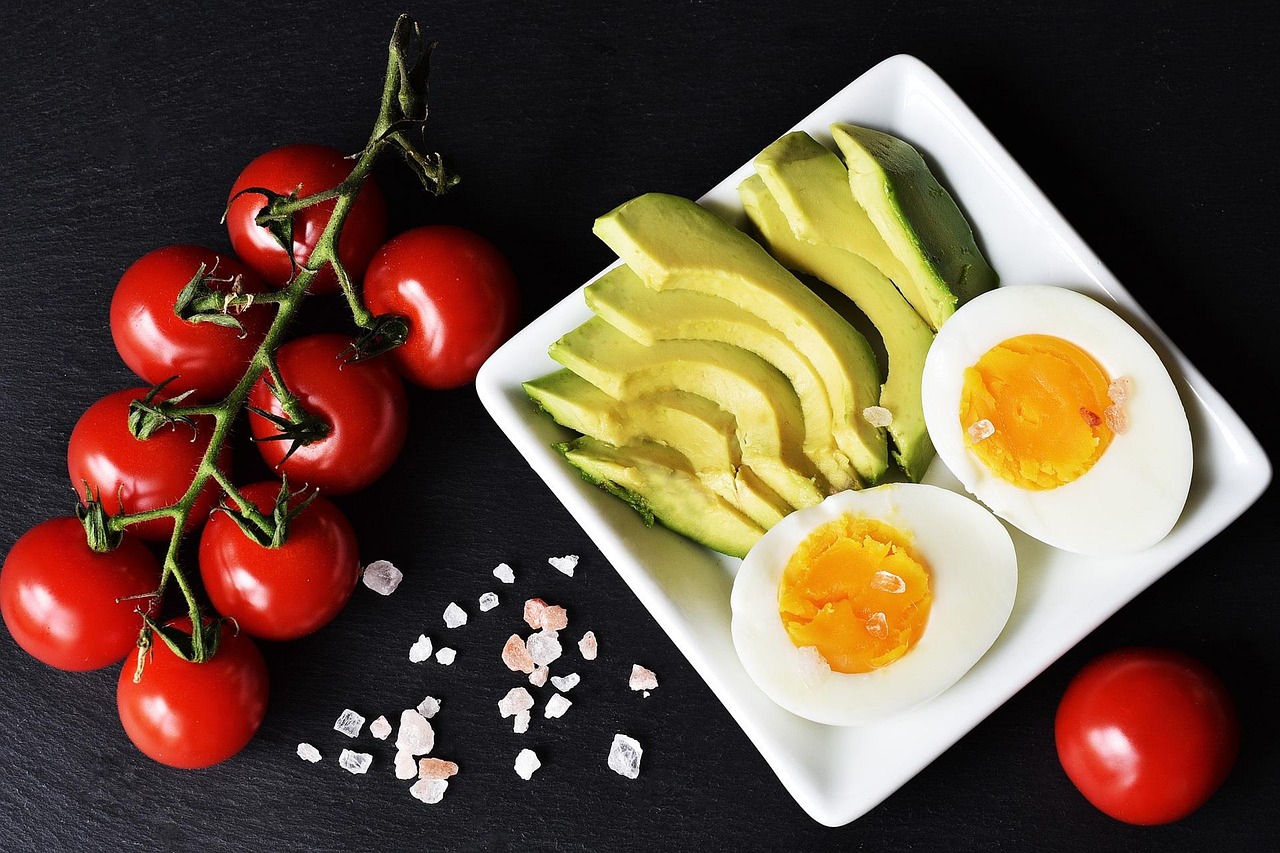
Practical Considerations: To avoid this downward spiral, integrate muscle-preserving strategies from the outset. For example, if you’re increasing your daily steps, consider adding two days of bodyweight exercises like lunges, squats, and push-ups. If you’re reducing portion sizes, ensure the reduced portions still contain a good source of protein. A common mistake is to simply cut out entire food groups or drastically reduce all intake without thought to macronutrient balance. Instead of a large breakfast of sugary cereal, consider eggs and whole-wheat toast.
14 Ways to Shed Pounds After 40 for Weight Loss After 40 Without Muscle Loss
Achieving effective weight loss after 40 requires a multi-faceted approach. Here are 14 actionable strategies, keeping muscle preservation in mind:
- Prioritize Protein: As mentioned, consume 1.6-2.2g protein per kg body weight daily.
- Strength Train Regularly: 2-3 sessions per week, focusing on compound movements.
- Moderate Calorie Deficit: Aim for 300-500 calories below maintenance.
- Stay Hydrated: Drink plenty of water throughout the day. Often, thirst is mistaken for hunger.
- Increase Fiber Intake: Found in fruits, vegetables, and whole grains, fiber aids satiety and digestive health.
- Eat Whole Foods: Minimize processed foods, which are often high in calories, sugar, and unhealthy fats.
- Manage Stress: Chronic stress elevates cortisol, which can promote belly fat storage and muscle breakdown.
- Prioritize Sleep: Aim for 7-9 hours of quality sleep. Poor sleep disrupts hormones that regulate hunger and satiety.
- Limit Sugary Drinks: These provide empty calories and contribute to weight gain without satiety.
- Practice Mindful Eating: Pay attention to hunger and fullness cues, and eat slowly without distractions.
- Incorporate NEAT (Non-Exercise Activity Thermogenesis): Increase daily movement outside of structured exercise, like taking stairs, parking further away, or standing more.
- Monitor Progress (Beyond the Scale): Track measurements, how clothes fit, strength gains, and energy levels to gauge success beyond just weight.
- Consider Nutrient Timing: Spreading protein intake throughout the day can be more beneficial for muscle protein synthesis than consuming it all in one or two large meals.
- Be Patient and Consistent: Sustainable weight loss is a marathon, not a sprint. Consistency over time yields results.
5 Ways to Lose Body Fat Without Losing Skeletal Muscle for Weight Loss After 40
These five methods encapsulate the core principles for maintaining muscle while shedding fat, particularly relevant for adults over 40.
- High-Protein Diet with a Moderate Calorie Deficit: This is foundational. Ample protein intake provides the building blocks for muscle repair and growth, while the moderate deficit ensures fat loss without triggering excessive muscle catabolism. For instance, instead of a 1000-calorie deficit that might lead to rapid but unhealthy weight loss, a 400-calorie deficit combined with high protein intake offers a more sustainable path.
- Progressive Overload Resistance Training: Simply lifting weights isn’t enough; the training must be progressive. This means gradually increasing the demands on your muscles over time—lifting heavier weights, performing more repetitions, or reducing rest times. This continuous challenge stimulates muscle adaptation and growth (or preservation during a deficit). If you’ve been lifting 10kg for 3 sets of 10 for weeks, try 12kg or aim for 12 reps with 10kg.
- Strategic Carbohydrate and Fat Intake: While protein is crucial, carbohydrates and fats play supportive roles. Carbohydrates fuel workouts and replenish glycogen stores, preventing muscle from being used for energy. Healthy fats are important for hormone production and overall health. Don’t eliminate these macronutrients; instead, focus on complex carbohydrates (oats, brown rice, vegetables) and healthy fats (avocado, nuts, olive oil) in appropriate portions.
- Adequate Sleep and Stress Management: These often-overlooked factors have a profound impact on body composition. Poor sleep elevates cortisol and ghrelin (hunger hormone) while decreasing leptin (satiety hormone), making fat loss harder and increasing muscle breakdown. Chronic stress has similar effects. Implementing stress-reduction techniques like meditation, yoga, or spending time in nature, and prioritizing 7-9 hours of sleep, directly supports your body composition goals.
- Mindful Cardio Integration: While resistance training is paramount for muscle, cardiovascular exercise has its place for fat loss and overall health. However, excessive or high-intensity cardio can interfere with muscle preservation if not balanced with sufficient calories and recovery. Opt for moderate-intensity cardio (e.g., brisk walking, cycling) for 150-300 minutes per week, or short bursts of high-intensity interval training (HIIT) if your fitness level allows, ensuring it doesn’t compromise your strength training recovery.
Prevent Muscle Loss During Weight Loss: A Practical Plan for Weight Loss After 40
A practical plan integrates these strategies into a coherent daily and weekly routine. It’s about consistency and making sustainable changes rather than chasing quick fixes.
Here’s a sample weekly structure:
| Day | Focus | Example Activities | Nutritional Focus |
|---|---|---|---|
| Monday | Strength Training (Full Body) | Squats, Push-ups, Rows, Lunges (3 sets of 8-12 reps per exercise) | High protein, moderate carbs for energy, healthy fats |
| Tuesday | Active Recovery / Light Cardio | Brisk walk (30-45 min), light cycling, stretching | Balanced meals, emphasize vegetables and lean protein |
| Wednesday | Strength Training (Full Body) | Deadlifts (or RDLs), Overhead Press, Pull-ups (or lat pulldowns), Planks | High protein, moderate carbs, healthy fats |
| Thursday | Moderate Cardio | Jogging, elliptical, swimming (30-45 min) | Focus on hydration, balanced macronutrients |
| Friday | Strength Training (Full Body) | Bench Press, Bicep Curls, Tricep Extensions, Leg Press (if applicable) | High protein, moderate carbs, healthy fats |
| Saturday | Active Recovery / Leisure | Hiking, gardening, gentle yoga, family activities | Flexible meal, but still mindful of protein and portions |
| Sunday | Rest & Preparation | Complete rest, meal prep for the week ahead, plan workouts | Focus on nutrient-dense foods for recovery |
Daily Nutritional Breakdown Example (for 1800 calories, 150g protein):
- Breakfast (approx. 400 calories, 30g protein): 3 scrambled eggs with spinach, 1 slice whole-wheat toast, 1/2 avocado.
- Lunch (approx. 500 calories, 40g protein): Large salad with 4-5oz grilled chicken or fish, mixed greens, non-starchy vegetables, light vinaigrette.
- Snack (approx. 200 calories, 20g protein): Greek yogurt (plain, high protein) with a few berries or a handful of almonds.
- Dinner (approx. 700 calories, 60g protein): 6oz lean steak or salmon, 1 cup roasted sweet potato, 1 cup steamed broccoli.
This plan provides a template. Adjust exercises based on your fitness level and available equipment. Always listen to your body and consult with a healthcare professional before making significant changes to your diet or exercise routine, especially if you have underlying health conditions.
Fit After 40: How to Fight Stubborn Belly Fat for Weight Loss After 40 Without Muscle Loss
Belly fat, specifically visceral fat that surrounds organs, becomes a more persistent challenge after 40. Hormonal changes, particularly a decline in estrogen for women and testosterone for men, play a significant role in its accumulation. While targeted fat loss from specific body areas isn’t possible, a comprehensive approach to overall fat loss, combined with strategies that specifically address the underlying causes of belly fat, can be effective.
Understanding the Hormonal Link:
- Women: As women approach and enter menopause, declining estrogen levels tend to shift fat storage from hips and thighs to the abdomen.
- Men: Testosterone levels gradually decline after age 30, which can contribute to increased abdominal fat and decreased muscle mass.
Strategies to Address Stubborn Belly Fat:
- Reduce Chronic Stress: As mentioned, elevated cortisol from chronic stress directly contributes to increased visceral fat storage. Implementing stress-reduction techniques (meditation, deep breathing, hobbies, spending time in nature) can help.
- Prioritize Sleep: Poor sleep is a major disruptor of hormones that influence fat storage, particularly around the midsection. Aim for 7-9 hours of quality sleep consistently.
- Limit Refined Carbohydrates and Sugars: These spike insulin levels, which can promote fat storage, especially visceral fat. Focus on complex carbohydrates from whole grains, fruits, and vegetables.
- Increase Soluble Fiber: Soluble fiber (found in oats, beans, apples, citrus fruits) forms a gel with water and slows down digestion. Studies suggest a link between higher soluble fiber intake and reduced visceral fat.
- Incorporate Interval Training (Carefully): While not solely responsible for belly fat loss, some studies suggest that high-intensity interval training (HIIT) can be particularly effective for reducing visceral fat compared to steady-state cardio. However, HIIT should be incorporated cautiously and progressively, especially for those new to it or with joint issues, and not at the expense of strength training.
- Maintain a Consistent Calorie Deficit with High Protein: Ultimately, reducing overall body fat will reduce belly fat. The core strategies of a moderate calorie deficit and high protein intake remain crucial.
Remember that genetics also play a role in fat distribution. While you can’t choose where you lose fat first, consistent adherence to healthy lifestyle practices will lead to overall fat reduction, including around the waistline, while preserving valuable muscle.
FAQ
Q: Can you lose weight without losing muscle? A: Yes, it is possible to lose weight while preserving or even gaining muscle, especially if you are new to strength training or have a significant amount of weight to lose. The key is a moderate calorie deficit, high protein intake, and consistent resistance training.
Q: What is phantom fat after weight loss? A: “Phantom fat” isn’t a medical term, but it often refers to the psychological experience some people have after significant weight loss. They may still perceive themselves as larger than they are, or feel as though the “fat” is still there, even after their body composition has changed. This can be a form of body dysmorphia or a lingering self-image issue that may require psychological support.
Q: What not to say to someone losing weight? A: Avoid making comments that focus solely on appearance, offer unsolicited advice, or imply their worth is tied to their weight. Examples of things to avoid include: “You look so much better now,” “You should eat less,” “Are you sure you should be eating that?” or “You’re still not at your goal?” Instead, focus on their efforts, health, and well-being, such as “You seem to have more energy,” or “I admire your dedication.”
Conclusion
Losing weight after 40 without sacrificing muscle requires a deliberate and informed approach. It’s not about crash diets or endless cardio, but rather a strategic combination of a moderate calorie deficit, a high-protein diet, and consistent resistance training. Prioritizing sleep, managing stress, and choosing whole, nutrient-dense foods are equally vital components. By focusing on these pillars, adults over 40 can achieve sustainable fat loss, preserve their metabolic health, and maintain the strength and vitality essential for a high quality of life. This journey demands patience and consistency, but the rewards of improved body composition and overall well-being are substantial.