GLP-1 receptor agonists, such as those found in medications like Ozempic and Wegovy, have transformed weight management for many individuals. While these medications are effective in promoting significant weight loss, a common concern arises: the potential for losing lean muscle mass alongside fat. This article explores how strategic exercise, particularly strength training, can help mitigate muscle loss while undergoing GLP-1 treatment, ensuring a healthier and more sustainable weight loss journey.
Understanding GLP-1 Medications and Their Impact on Body Composition
GLP-1 (Glucagon-Like Peptide-1) receptor agonists work by mimicking a natural hormone that regulates appetite, slows gastric emptying, and influences insulin secretion. This leads to reduced food intake and, consequently, weight loss. The weight lost is a combination of fat mass and, to a lesser extent, lean body mass (muscle).
Historically, rapid weight loss, regardless of the method, often results in some degree of muscle loss. This is because the body, in a calorie deficit, can break down muscle protein for energy. While GLP-1 medications are effective for fat loss, they don’t inherently protect muscle. Therefore, individuals using these medications need to be proactive in preserving their muscle mass through targeted interventions, primarily exercise and adequate protein intake. Preserving lean body mass is crucial for maintaining metabolic health, strength, and overall functional capacity, especially as one ages.
GLP-1 Agonists and Exercise: The Future of Lifestyle Prioritization
The integration of GLP-1 agonists into weight management strategies underscores a critical shift towards comprehensive lifestyle prioritization. These medications are not a standalone solution; their efficacy is significantly enhanced when combined with intentional dietary choices and a structured exercise regimen. The future of weight management with GLP-1 medications lies in optimizing the synergistic effects of pharmacology and lifestyle.
For individuals on GLP-1s, exercise moves beyond simple calorie burning. It becomes a vital tool for body recomposition – shifting the balance towards greater fat loss and muscle preservation. This proactive approach helps ensure that the weight lost is predominantly fat, leading to better long-term health outcomes. Prioritizing exercise means viewing it as an integral part of the treatment plan, not just an optional add-on. This includes understanding the specific types of exercise most beneficial and how to integrate them consistently into daily life.
How to Prevent Muscle Loss on GLP-1s: A Doctor’s Guide to Exercise Adaptation
Preventing muscle loss on GLP-1 medications requires a focused exercise strategy. While any physical activity is generally beneficial, specific types of exercise are more effective for muscle preservation.
The Primacy of Strength Training
Strength training is arguably the most critical component of an exercise plan for individuals on GLP-1 agonists. It directly stimulates muscle protein synthesis, signaling the body to maintain or even build muscle tissue despite a calorie deficit.
- Frequency: Aim for 2-3 full-body strength training sessions per week on non-consecutive days. This allows adequate recovery time for muscles to repair and grow.
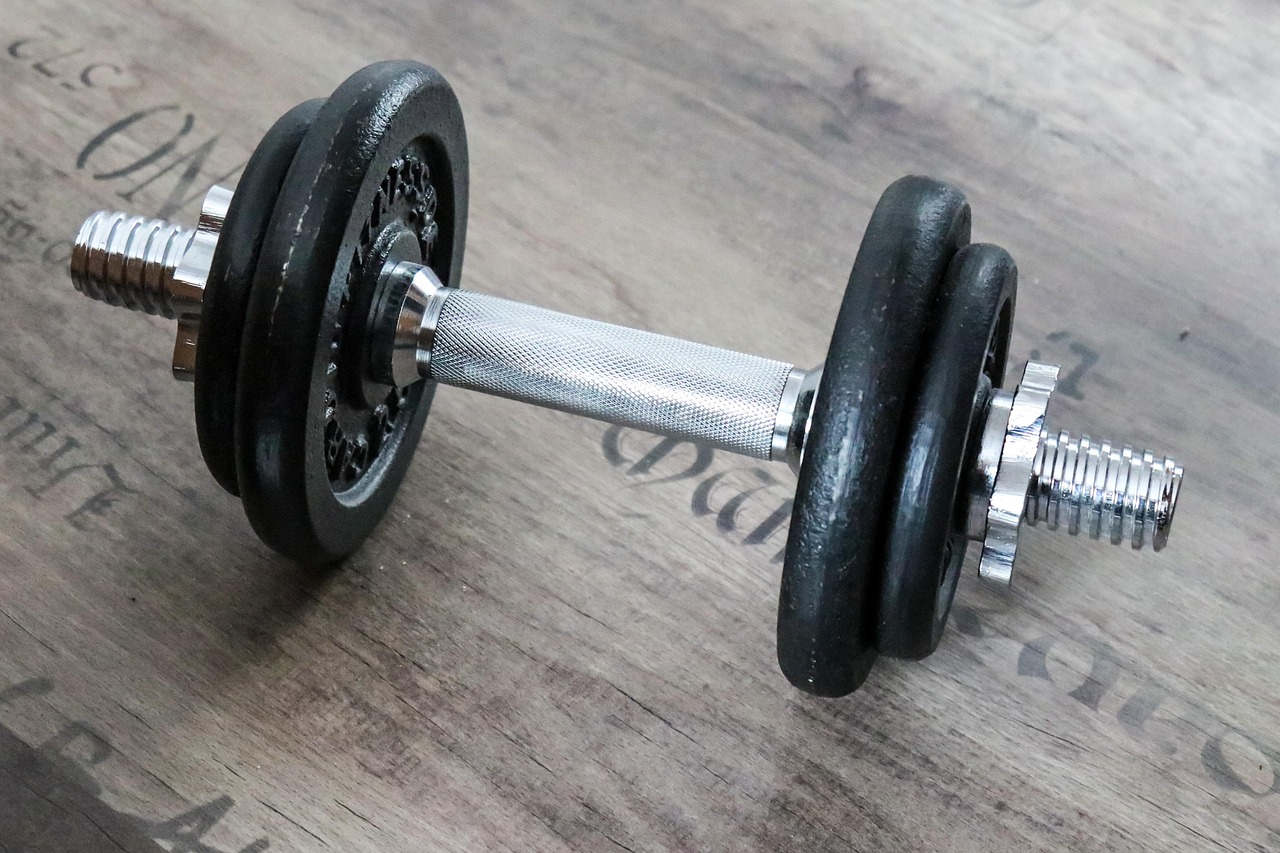
- Intensity: Focus on lifting weights that challenge you. The last few repetitions of a set should feel difficult. For beginners, this might mean bodyweight exercises or light dumbbells. As strength improves, gradually increase resistance.
- Volume: Perform 2-4 sets of 8-12 repetitions for each major muscle group. Examples of major muscle groups include legs, back, chest, shoulders, and arms.
- Exercise Selection: Include compound movements that work multiple muscle groups simultaneously. Examples include squats, deadlifts (or Romanian deadlifts), lunges, push-ups, overhead presses, and rows. These are more efficient and effective than isolation exercises for overall muscle development.
The Role of Cardio: Balancing Health and Muscle Preservation
Cardiovascular exercise is essential for heart health, endurance, and calorie expenditure, but its role in muscle preservation is different from strength training.
- Moderate Intensity is Key: Excessive, high-intensity, or very long-duration cardio without adequate calorie intake can potentially contribute to muscle breakdown. Aim for moderate-intensity cardio, such as brisk walking, cycling, or swimming, for 150-300 minutes per week.
- Strategic Placement: Consider performing cardio on separate days from strength training, or if done on the same day, prioritize strength training first.
- Listen to Your Body: Because GLP-1 medications can sometimes cause fatigue or gastrointestinal side effects, adjust cardio intensity and duration based on how you feel. Some days, a gentle walk might be more appropriate than a high-impact run.
Sample Weekly Exercise Schedule for GLP-1 Users
| Day | Primary Focus | Example Activities | Notes |
|---|---|---|---|
| Monday | Strength Training | Full-body workout (e.g., squats, push-ups, rows, lunges, overhead press) | Focus on proper form. If new to strength training, consider working with a certified trainer. |
| Tuesday | Active Recovery/Cardio | Brisk walking, light cycling, gentle yoga, stretching | Aim for 30-45 minutes at a moderate pace. |
| Wednesday | Strength Training | Full-body workout (e.g., deadlifts, bench press, pull-ups/lat pulldowns, step-ups, triceps dips) | Vary exercises to challenge muscles differently. |
| Thursday | Active Recovery/Cardio | Swimming, elliptical, hiking | Can be a longer session (45-60 minutes) if energy levels permit. |
| Friday | Strength Training | Full-body workout (e.g., leg press, incline press, seated rows, shoulder raises, bicep curls, planks) | Consider higher repetitions with slightly lighter weight if muscles are fatigued from earlier sessions. |
| Saturday | Light Activity | Walking, gardening, recreational sports | Keep it enjoyable and low-stress. |
| Sunday | Rest | Active rest (gentle stretching) or complete rest | Essential for muscle repair and preventing overtraining. |
This is a template; individual needs and preferences should guide the final plan. Consultation with a healthcare provider and a fitness professional is recommended.
New GLP-1 Therapies Enhance Quality of Weight Loss by Prioritizing Body Composition
Emerging research and clinical understanding around GLP-1 therapies increasingly emphasize the “quality” of weight loss, moving beyond simply the number on the scale. This means prioritizing the reduction of fat mass while preserving or even increasing lean muscle mass. This focus on body composition is critical because:
- Metabolic Health: Muscle tissue is metabolically active, meaning it burns more calories at rest than fat tissue. Preserving muscle helps maintain a higher resting metabolic rate, which can prevent weight regain after stopping GLP-1s.
- Functional Strength: Adequate muscle mass is essential for daily activities, mobility, and preventing age-related decline. Losing too much muscle can impair quality of life.
- Appearance and Confidence: A body with a higher proportion of muscle often appears more toned and can contribute to improved self-esteem.
Integrating exercise, particularly strength training, directly supports this goal of enhancing the quality of weight loss. It allows individuals to achieve a healthier body composition, which is a more robust indicator of long-term health than just weight alone.
GLP-1 Medication and Muscle Loss: 4 Tips for Preventing Muscle Loss
Beyond the specific exercise recommendations, several overarching strategies can significantly aid in preventing muscle loss while on GLP-1 medications.
1. Prioritize Protein Intake
When in a calorie deficit, the body needs sufficient protein to signal muscle repair and growth. Without adequate protein, the body is more likely to break down existing muscle tissue for amino acids.
- Target Intake: Aim for 1.0 to 1.6 grams of protein per kilogram of ideal body weight per day. For example, a person aiming for an ideal weight of 70 kg might target 70-112 grams of protein daily.
- Sources: Include lean meats, poultry, fish, eggs, dairy (Greek yogurt, cottage cheese), legumes, and protein supplements (whey, casein, plant-based) in your diet.
- Distribution: Spread protein intake throughout the day across all meals and snacks to maximize muscle protein synthesis.
2. Stay Hydrated
Proper hydration is fundamental for all bodily functions, including muscle health and recovery. Dehydration can impair performance during exercise and hinder muscle repair processes. Drink plenty of water throughout the day, especially before, during, and after workouts.
3. Ensure Adequate Sleep
Sleep is when the body repairs and rebuilds. Insufficient sleep can disrupt hormones involved in muscle growth (like growth hormone) and increase cortisol, a hormone that can promote muscle breakdown. Aim for 7-9 hours of quality sleep per night. Establish a consistent sleep schedule and create a relaxing bedtime routine.
4. Monitor Progress and Adjust
Weight loss on GLP-1s can be significant, but it’s important to monitor not just the scale, but also body composition if possible.
- Body Composition Scans: If accessible, DEXA scans or bioelectrical impedance analysis (BIA) can provide a more accurate picture of changes in fat mass versus lean mass.
- Strength Progression: Track your strength training workouts. Are you able to lift more weight or perform more repetitions over time? This is a positive indicator of muscle preservation or growth.
- Listen to Your Body: Pay attention to energy levels, recovery, and any signs of overtraining. Adjust your exercise routine and nutrient intake as needed. Work closely with your healthcare provider and potentially a registered dietitian or certified personal trainer to tailor your approach.
GLP-1 Medications and Muscle Loss: What to Know
The potential for muscle loss when using GLP-1 medications is a recognized aspect of rapid weight reduction. However, it’s not an inevitable outcome. Understanding the mechanisms and taking proactive steps can significantly mitigate this risk.
- Metabolic Slowdown: Losing muscle mass can lead to a decrease in resting metabolic rate. This means your body burns fewer calories at rest, potentially making weight maintenance more challenging in the long run.
- Functional Decline: Reduced muscle mass can impact strength, mobility, and overall physical function, particularly for older individuals. This can increase the risk of falls and reduce independence.
- Long-Term Health: Preserving muscle contributes to better blood sugar control, bone density, and overall resilience against chronic diseases.
The key takeaway is that while GLP-1 medications are powerful tools for weight loss, their optimal use involves a holistic strategy that includes a deliberate focus on exercise, particularly strength training, and nutritional support to safeguard lean body mass. This comprehensive approach ensures that weight loss translates into improved health and well-being, rather than just a lower number on the scale.
Conclusion
GLP-1 medications offer a significant advantage in weight management, but the journey toward better health involves more than just medication. Optimizing workouts, particularly by prioritizing strength training, is crucial for preventing muscle loss and enhancing the overall quality of weight reduction. By combining consistent strength training with adequate protein intake, proper hydration, and sufficient sleep, individuals using GLP-1s can achieve sustainable weight loss while preserving vital muscle mass, leading to improved metabolic health, functional strength, and long-term well-being. Always consult with your healthcare provider before starting any new medication or exercise regimen.