Returning to an active lifestyle after a period of inactivity, especially as you approach or pass 40, presents unique considerations. This guide focuses on practical steps for beginners looking to rebuild muscle after inactivity, offering a realistic roadmap for regaining strength and improving overall fitness. It’s not about becoming a bodybuilder overnight, but about establishing sustainable habits that lead to lasting physical improvement.
How to Rebuild Strength After a Long Period of Inactivity
Rebuilding strength after a sedentary period involves a gradual, consistent approach. For beginners, particularly those over 40, the focus should be on foundational movements and proper form rather than lifting heavy weights immediately. Your body needs time to adapt to new stresses, and rushing this process significantly increases the risk of injury.
Start with bodyweight exercises. These are excellent for learning movement patterns and building a base level of strength without external resistance. Examples include squats (even just sitting and standing from a chair), lunges (modified for balance if needed), push-ups (against a wall or on your knees), and planks. Aim for 2-3 sets of 8-12 repetitions for each exercise, focusing on controlled movements. If an exercise feels too challenging, find a simpler variation. For instance, if a wall push-up is too easy, move to an incline push-up using a countertop or sturdy table.
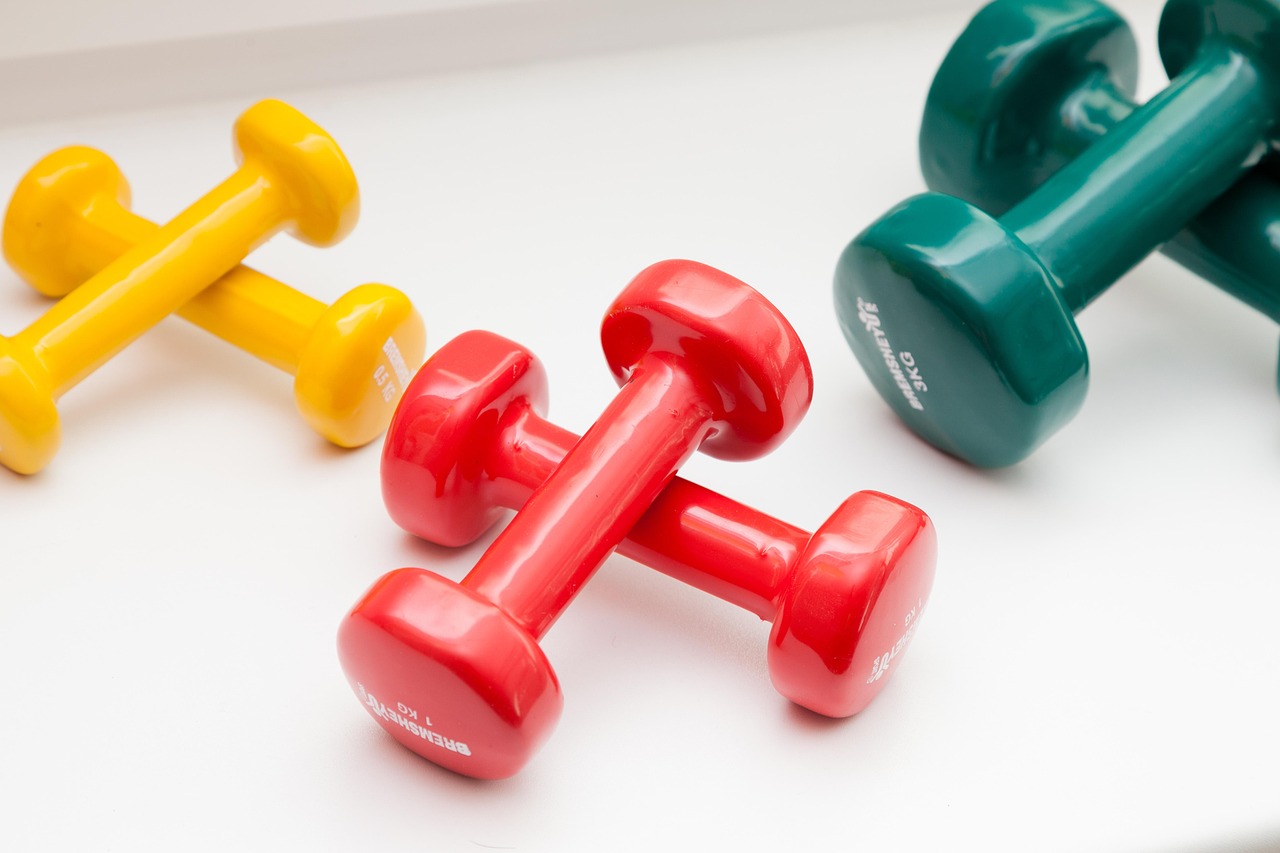
Once bodyweight exercises feel manageable, gradually introduce light external resistance. This could be resistance bands, light dumbbells, or even household items like soup cans. The key is progressive overload – slowly increasing the demand on your muscles over time. This doesn’t always mean more weight; it could also mean more repetitions, more sets, or shorter rest periods between sets.
Listen to your body. Some muscle soreness is normal, especially when starting a new routine. This “delayed onset muscle soreness” (DOMS) typically peaks 24-48 hours after exercise. However, sharp pain, joint pain, or pain that doesn’t subside after a few days indicates a need to scale back or consult a professional.
A typical beginner’s strength training schedule might involve 2-3 full-body workouts per week, with at least one rest day between sessions. This allows muscles time to recover and rebuild.
How Easy Is It to Regain Lost Muscle After Long Periods of Inactivity?
The good news for those returning to exercise is the concept of “muscle memory.” While not actual memory in the brain, it refers to the body’s ability to regain lost muscle mass and strength more quickly than it took to build it originally. This phenomenon is supported by cellular changes within muscle fibers. When you build muscle, your muscle cells gain more nuclei (myonuclei). Even if the muscle shrinks due to inactivity, these extra nuclei often remain. When you start training again, these pre-existing nuclei can kickstart protein synthesis and muscle growth more efficiently.
This means that if you’ve been active in the past, even if it was years ago, your body has a head start compared to someone who has never trained. You might be surprised at how quickly your strength and endurance return once you commit to a consistent routine.
However, “easy” is relative. While the physiological process can be faster, the effort and consistency still apply. For someone who has been sedentary for a very long time, or who never had significant muscle mass to begin with, the initial phase will require more foundational work. Age can also influence the rate of muscle regain. As we age, our bodies become less efficient at building muscle (a process called anabolic resistance), so consistency and adequate protein intake become even more critical.
Patience is key. Don’t expect to be back to your peak performance in a few weeks. Focus on small, consistent improvements. Celebrate being able to do one more repetition, or completing a workout without feeling completely drained. These small victories accumulate and lead to significant progress over time.
How to Regain Muscle Mass at Any Age
Regaining muscle mass, regardless of age, hinges on a few fundamental principles: progressive resistance training, adequate protein intake, sufficient calories, and proper recovery. For individuals over 40, these principles take on added importance due to natural physiological changes.
1. Progressive Resistance Training: As discussed, this is the primary stimulus for muscle growth. Muscles adapt to stress; if you don’t challenge them, they won’t grow. The “progressive” part is crucial: you must gradually increase the demand on your muscles. This could mean: * Increasing weight/resistance: The most straightforward method. * Increasing repetitions: Doing more reps with the same weight. * Increasing sets: Performing more total sets for an exercise. * Decreasing rest time: Making the workout more intense by resting less between sets. * Improving form: Better form allows you to recruit more muscle fibers and lift more effectively.
2. Adequate Protein Intake: Protein provides the amino acids necessary for muscle repair and growth. For active individuals, especially those rebuilding muscle, a common guideline is to consume 1.6 to 2.2 grams of protein per kilogram of body weight per day. Distribute this intake throughout the day, rather than consuming it all in one meal. Good sources include lean meats, poultry, fish, eggs, dairy, legumes, and protein supplements if needed.
3. Sufficient Calories: Muscle building is an energy-intensive process. If you’re not consuming enough calories, your body will struggle to build new muscle tissue. While it’s possible to gain some muscle in a caloric deficit, optimal growth typically occurs in a slight caloric surplus (eating slightly more calories than you burn). Focus on nutrient-dense foods to fuel your body effectively.
4. Proper Recovery: Muscles don’t grow during your workout; they grow during recovery. This includes: * Sleep: Aim for 7-9 hours of quality sleep per night. Sleep is when your body repairs and rebuilds. * Rest Days: Allow adequate time between strength training sessions for muscle groups to recover. * Stress Management: Chronic stress can elevate cortisol levels, which can hinder muscle growth.
Comparison of Training Approaches for Beginners (40+):
| Feature | Bodyweight Training (Initial Phase) | Light Resistance Training (Progression) |
|---|---|---|
| Goal | Build foundational strength, learn movement patterns, improve mobility | Increase muscle mass and strength, introduce progressive overload |
| Equipment | None (or minimal: chair, wall) | Resistance bands, light dumbbells, kettlebells, household items |
| Intensity | Low to moderate, focus on control | Moderate, challenging but maintainable |
| Injury Risk | Very low (if form is prioritized) | Low (if weight is appropriate and form is maintained) |
| Example Exercise | Chair squats, wall push-ups, knee push-ups, planks, glute bridges | Goblet squats, dumbbell rows, overhead press, bicep curls, triceps extensions |
| Who it’s for | Complete beginners, those with mobility limitations, recovering from injury | Those who have mastered bodyweight basics and are ready for more challenge |
Everything You Need to Know About Muscle Memory
Muscle memory, more accurately termed “neuromuscular adaptation,” is a fascinating aspect of how our bodies respond to training and de-training. It’s not about your muscles having a brain, but rather about the cellular and neurological changes that occur when you engage in resistance training.
At a cellular level, when you lift weights, your muscle fibers undergo damage and repair, leading to growth. Crucially, this process involves the addition of myonuclei to muscle cells. These myonuclei contain the DNA instructions for creating muscle proteins. When you stop training, your muscles may atrophy (shrink), but research suggests that these myonuclei often persist for extended periods, perhaps even permanently.
When you resume training, these “stored” myonuclei provide a significant advantage. They allow your body to synthesize muscle proteins more rapidly and efficiently than someone who has never trained, leading to a quicker return of muscle size and strength. It’s like having a factory already built and ready to produce, rather than needing to construct it from scratch.
Neurologically, muscle memory also involves the refinement of motor patterns. When you perform an exercise repeatedly, your brain and nervous system become more efficient at recruiting the necessary muscle fibers and coordinating the movement. This means that when you return to an exercise you once performed, your body “remembers” how to do it more effectively, even if your strength has diminished. You might find your form comes back quickly, even if the weight you can lift initially is lower.
This phenomenon is a powerful motivator for anyone returning to exercise after a break. It means your past efforts weren’t wasted, and you have a biological advantage in your journey to rebuild muscle. However, it’s not a magic bullet. You still need to put in the consistent effort, proper nutrition, and recovery to capitalize on this inherent advantage.
How Long It Takes To Rebuild Muscle After a Gym Break
The time it takes to rebuild muscle after a break varies significantly based on several factors: the length of inactivity, your previous training history, age, genetics, and the consistency and quality of your new training program.
For someone who has been inactive for a few weeks to a couple of months, muscle memory can kick in quite rapidly. You might see noticeable strength gains within 4-6 weeks, with significant visual changes within 2-3 months. The initial gains are often the quickest as your body re-adapts.
If the break has been longer – several months to years – the process will naturally take more time. While muscle memory still provides an advantage, the atrophy may be more pronounced, and the neurological pathways might need more re-establishment. In such cases, expect a more gradual return, with significant progress potentially visible after 3-6 months of consistent training. Full recovery to previous levels could take 6-12 months or even longer, depending on the severity of the de-training and your previous peak.
For beginners over 40 who are starting strength training with little to no prior experience, the timeline is slightly different. You’ll still see “beginner gains” (rapid muscle and strength improvements) in the first 3-6 months, as your body is highly responsive to the new stimulus. However, without the benefit of muscle memory from previous training, the overall rate of progress might be steadier rather than a quick rebound.
Ultimately, consistency is the strongest predictor of how long it will take. Sporadic workouts will yield sporadic results. A well-structured program, followed consistently with adequate nutrition and recovery, will accelerate the process.
Muscle Memory & Gym: Can You Rebuild Lost Muscle?
Absolutely, you can rebuild lost muscle, and muscle memory plays a central role in this process. The scientific understanding of muscle memory confirms that your body retains certain adaptations from previous training, making the process of regaining muscle more efficient than building it for the very first time.
Consider an individual, Sarah, who was quite active in her 20s and 30s, regularly lifting weights. Due to career demands and family life, she became largely sedentary in her late 30s and 40s. Now, at 45, she decides to get back into strength training.
- Initial Phase (Weeks 1-4): Sarah might feel weak and uncoordinated. She starts with bodyweight exercises and very light dumbbells. Despite the initial struggle, her body quickly recalls the movement patterns. The neurological pathways for exercises like squats and presses are re-activated.
- Intermediate Phase (Months 2-4): She begins to notice significant strength gains. The weights she can lift increase steadily. Her muscles, thanks to the dormant myonuclei from her younger training days, respond rapidly to the stimulus. She might feel a sense of “déjà vu” as her body remembers how to execute movements with better form and power than a complete novice.
- Long-Term (Months 5-12+): While she may not reach her absolute peak strength from her 20s (due to age-related factors), she will likely achieve a substantial level of muscle mass and strength that significantly improves her quality of life and physical capabilities. The rate of progress might slow down compared to the initial rapid gains, but consistent effort continues to yield results.
This example highlights that rebuilding lost muscle isn’t just possible but often faster and less frustrating than starting from scratch. The key is to leverage this biological advantage with a sensible, progressive training plan that respects your current fitness level and age-related considerations. Don’t be discouraged by where you are now; focus on the potential for where you can be again.
FAQ
How long does it take to gain muscle back after inactivity?
The time frame varies, but thanks to “muscle memory,” it’s often faster than building muscle for the first time. For short breaks (weeks to a couple of months), you might see significant progress in 4-8 weeks. For longer periods of inactivity (several months to years), expect 3-6 months for noticeable improvements, and potentially 6-12 months or more to approach previous strength levels, depending on the individual and consistency.
What is the 3-3-3 rule in gym?
The “3-3-3 rule” is not a universally recognized or scientifically established training principle in the fitness world. It might be a specific guideline used by a particular trainer or gym, or it could refer to different concepts depending on the context. Without further clarification, it’s difficult to define. General strength training principles usually involve sets, repetitions, and intensity, rather than a specific “3-3-3” rule. If you encounter this rule, ask for clarification from the source.
Can you gain muscle while on Zepbound?
Zepbound (tirzepatide) is a medication primarily used for weight management, often leading to significant weight loss. While it’s possible to build some muscle while losing weight, especially if you’re a beginner to strength training, the primary effect of Zepbound is weight reduction. When losing weight, particularly rapidly, there’s a risk of losing both fat and muscle mass. To mitigate muscle loss and potentially gain muscle while on Zepbound, it is crucial to incorporate consistent resistance training and ensure adequate protein intake. Consult with your healthcare provider and a qualified fitness professional to create a safe and effective plan that aligns with your health goals and medication regimen.
Conclusion
Embarking on the journey to rebuild muscle after inactivity, especially over 40, is a highly achievable goal. By understanding the principles of progressive overload, leveraging the power of muscle memory, prioritizing nutrition, and allowing for adequate recovery, you can effectively transition from a sedentary lifestyle to an active one. Start slowly, be consistent, listen to your body, and celebrate every small victory. Your past efforts weren’t in vain, and your future self will thank you for the commitment to regaining your strength and vitality.