
Maintaining muscle mass and overall health becomes increasingly important as we age, yet busy schedules often make consistent, nutritious eating a challenge. Easy high-protein snacks offer a practical solution, providing essential nutrients for muscle repair, growth, and satiety without requiring extensive preparation. This guide explores various convenient, protein-rich options suitable for busy adults looking to support their muscle health throughout the day.
High-Protein Snacks to Build Muscle and Keep Hunger at Bay
Protein plays a critical role in muscle protein synthesis, the process by which your body repairs and builds new muscle tissue. Regular protein intake, particularly spread throughout the day, helps optimize this process. For busy adults, this means finding quick protein snacks that are both effective for muscle support and satisfying enough to curb hunger between meals.
The core idea is simple: small, frequent doses of protein can help maintain a positive protein balance, especially when you’re active or trying to preserve muscle. This isn’t just about weightlifting; even daily activities cause microscopic muscle damage that requires protein for repair. When you’re busy, skipping meals or relying on low-protein, high-sugar options can lead to energy crashes and make it harder to meet your protein needs. Easy high-protein snacks for muscle become a strategic tool to bridge those nutritional gaps.
Consider a scenario where you have a long stretch between lunch and dinner. A handful of almonds or a hard-boiled egg can provide a quick protein boost, preventing the urge to grab less healthy, convenient options. For someone over 40, where muscle loss (sarcopenia) can begin to accelerate, consistent protein intake is even more crucial for muscle preservation. These quick protein snacks are not just about building; they’re fundamentally about maintenance and preventing decline.
Healthy and Portable High Protein Snacks
The key to consistently incorporating protein snacks is their portability and minimal preparation. Snacks that require refrigeration or extensive assembly often fall by the wayside during a busy day. Focus on options that can be easily packed, stored, and consumed almost anywhere.
Here’s a breakdown of healthy and portable high-protein snacks, categorized for different preferences and needs:
- Dairy-Based:
- Greek Yogurt: High in protein, especially strained varieties. Look for plain to avoid added sugars. Portable in sealed containers.
- Cottage Cheese: Another excellent source of casein protein. Small containers are readily available.
- Cheese Sticks/Cubes: Convenient and portion-controlled. Parmesan crisps also offer a crunchy, high-protein alternative.
- Nut & Seed-Based:
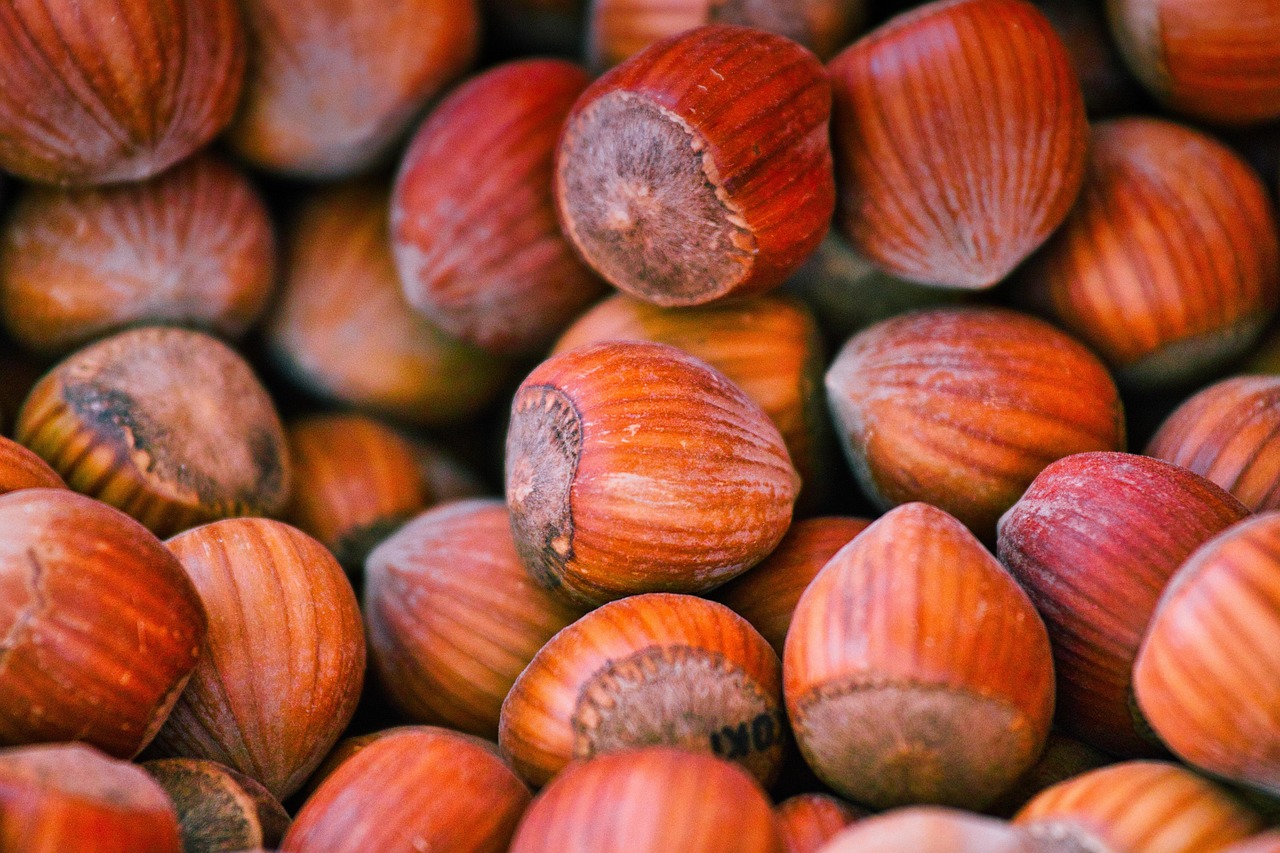
- Almonds, Walnuts, Pistachios: Provide healthy fats, fiber, and protein. Portion into small bags.
- Pumpkin Seeds, Sunflower Seeds: Good sources of protein and minerals.
- Nut Butter Packets: Individual packets of almond or peanut butter are mess-free and portable. Pair with apple slices or celery.
- Meat & Fish-Based:
- Jerky/Biltong: Lean, dried meat is a concentrated source of protein. Read labels for low sugar and sodium.
- Canned Tuna/Salmon Pouches: Convenient, no-drain pouches are excellent. Pair with whole-grain crackers.
- Hard-Boiled Eggs: Prepare a batch at the start of the week. Easy to peel and eat.
- Plant-Based (for those avoiding animal products):
- Edamame (shelled): Frozen edamame can be thawed and eaten cold, or quickly microwaved.
- Roasted Chickpeas: Crunchy, savory, and protein-rich. Many pre-packaged options exist.
- Lentil/Bean-Based Dips: Hummus with veggie sticks or whole-grain pita.
The trade-off often lies in sugar content for pre-packaged items. Always check nutrition labels, especially for flavored yogurts, protein bars, and jerky, to ensure you’re not inadvertently consuming excessive added sugars. For example, while a protein bar might seem like a perfect on-the-go solution, some can contain as much sugar as a candy bar. Prioritizing whole, unprocessed foods or minimally processed options is generally a safer bet for muscle building snacks after 40, when metabolic health can become more sensitive.
Protein Snacks to Build Muscle and Fight Hunger
Beyond just providing protein, effective snacks also need to contribute to satiety. Protein is known for its ability to keep you feeling fuller for longer, which can help manage overall calorie intake and prevent overeating at subsequent meals. This is particularly beneficial for muscle building, as it helps prevent unnecessary fat gain while supporting muscle growth.
Consider the difference between a sugary granola bar and a Greek yogurt with berries. The granola bar might offer a quick energy spike, but the lack of substantial protein means hunger returns quickly. The Greek yogurt, with its higher protein content, provides sustained energy and reduces the likelihood of reaching for another snack soon after.
For someone integrating these into a muscle-building regimen, timing can also play a role. A protein snack post-workout can kickstart muscle repair, while one a few hours before a meal can prevent extreme hunger and better equip you to make healthier choices.
Comparison of Snack Options for Satiety and Protein:
| Snack Type | Protein Content (per serving, approx.) | Satiety Factor | Portability | Considerations |
|---|---|---|---|---|
| Plain Greek Yogurt | 15-20g | High | Medium (needs cooling) | Choose plain to avoid sugar; add berries for fiber. |
| Hard-Boiled Eggs (2) | 12g | High | High | Pre-cook in batches; easy to peel. |
| Handful of Almonds | 6g | Medium | High | Calorie-dense, portion control is key. |
| Jerky (1 oz) | 9-10g | Medium | High | Check sodium and sugar content. |
| Cottage Cheese (1/2 cup) | 12-14g | High | Medium (needs cooling) | Versatile; can be savory or sweet. |
| Protein Bar | 10-25g (varies) | Medium-High | High | Read labels carefully for added sugars and artificial ingredients. |
| Edamame (1 cup) | 17g | High | Medium | Can be eaten cold or warm. |
The goal isn’t just to eat protein, but to eat enough protein that contributes meaningfully to your daily total and helps manage hunger. For many adults, aiming for 20-30 grams of protein per snack can be effective for muscle synthesis and satiety.
Quick Ideas and Buying Tips for High Protein Snacks
Efficiency is paramount for busy adults. This means having a strategy for both preparation and purchasing.
Quick Snack Ideas (Minimal Prep):
- Greek Yogurt Parfait: Layer plain Greek yogurt with a few berries and a sprinkle of nuts or seeds. Takes 2 minutes.
- Hard-Boiled Eggs with Everything Bagel Seasoning: A classic for a reason. Pre-cook eggs.
- Cottage Cheese with Sliced Cucumber/Tomato: Simple, refreshing, and savory.
- Apple Slices with Nut Butter: Quick fiber and protein combo. Use pre-portioned nut butter packs or small containers.
- Tuna/Salmon Pouch with Whole-Grain Crackers: No-drain pouches are a game-changer.
- Edamame Pods (frozen, thawed): A simple, satisfying plant-based option.
- Cheese Stick and a Few Walnuts: Easy grab-and-go.
- Protein Smoothie (pre-prepped): Blend protein powder, greens, and fruit. Pre-portion ingredients into bags in the freezer.
- Roasted Chickpeas: Buy pre-roasted or make a batch on the weekend.
- Beef Jerky/Biltong: A convenient option, but choose varieties with minimal additives.
Buying Tips:
- Bulk Buy Staples: Nuts, seeds, canned tuna/salmon, and protein powder are often more cost-effective when bought in larger quantities.
- Read Labels Diligently: This is crucial for protein bars, yogurts, and jerky. Look for higher protein, lower sugar, and fewer artificial ingredients.
- Prioritize Whole Foods: When possible, lean towards whole foods like eggs, plain dairy, nuts, and lean meats. They generally offer a better nutrient profile.
- Consider Shelf-Stable Options: For true on-the-go convenience, jerky, protein bars (select wisely), and shelf-stable nut butter packets are invaluable.
- Check Unit Prices: Especially for pre-portioned items, compare unit prices to ensure you’re getting value. Sometimes buying a larger tub of yogurt and portioning yourself is cheaper than individual cups.
- Look for Sales: Stock up on your favorite high-protein staples when they’re on sale.
High Protein Foods to Help Build Lean Muscle
While this article focuses on snacks, it’s helpful to understand the broader range of high-protein foods that contribute to lean muscle building. These can inform your snack choices and main meals.
Protein sources vary in their amino acid profiles. Complete proteins (found mostly in animal products) contain all nine essential amino acids necessary for muscle repair and growth. Plant-based proteins can also be complete or can be combined to form a complete profile.
Top High-Protein Foods for Muscle:
- Lean Meats: Chicken breast, turkey, lean beef, pork loin. These are staples for a reason – high protein density with relatively low fat.
- Fish: Salmon, tuna, cod, tilapia. Excellent sources of protein and often healthy fats (especially fatty fish like salmon).
- Eggs: The “perfect protein” due to their complete amino acid profile and bioavailability.
- Dairy Products: Greek yogurt, cottage cheese, milk, whey protein (supplement).
- Legumes: Lentils, chickpeas, black beans. Good plant-based protein and fiber.
- Nuts and Seeds: Almonds, walnuts, chia seeds, flax seeds. Provide protein, healthy fats, and fiber.
- Quinoa: A complete plant-based protein.
- Tofu/Tempeh: Versatile soy-based proteins, particularly good for plant-based diets.
- Protein Powders: Whey, casein, soy, pea, rice protein. Supplements can be a convenient way to boost protein intake, especially post-workout or when whole food options are scarce.
Integrating these foods into both meals and snacks ensures a consistent supply of amino acids, which is fundamental for muscle building and healthy aging. For muscle building snacks after 40, ensuring adequate protein from diverse sources can also support bone health and overall metabolic function.
Snacks With the Most Protein: What to Eat for a High-Protein Boost
When you need a significant protein boost in a snack, certain options stand out. These are particularly useful after a workout, during long stretches between meals, or when you’re trying to hit a specific daily protein target.
| Snack Option (Approx. per serving) | Protein (grams) | Notes |
|---|---|---|
| Whey Protein Shake (1 scoop + water) | 20-25 | Quickest absorption, ideal post-workout. Choose a low-sugar brand. |
| Plain Greek Yogurt (1 cup) | 20-23 | Versatile base; add berries or a few nuts. |
| Cottage Cheese (1 cup) | 25-28 | Excellent source of slow-digesting casein protein. |
| Hard-Boiled Eggs (3 large) | 18 | Easy to prepare in advance. |
| Canned Tuna (4 oz, drained) | 24-28 | High-quality lean protein. Look for light tuna in water to minimize mercury and fat. |
| Edamame (1.5 cups, shelled) | 25-26 | Great plant-based option, also provides fiber. |
| Lean Beef Jerky (2 oz) | 18-20 | Convenient, but check sodium and sugar. |
| Protein Bar (select brands) | 15-25+ | Varies wildly by brand; prioritize bars with whole food ingredients, lower sugar, and higher fiber. |
For busy adults, the convenience of these options cannot be overstated. A pre-made protein shake, a container of cottage cheese, or a pouch of tuna can deliver a substantial protein hit in minutes, without any cooking. This focus on maximizing protein per serving is key when time is limited and muscle support is a priority.
These options are also beneficial for protein snacks for seniors, who often experience a decline in appetite and may struggle to consume enough protein through main meals alone. Small, nutrient-dense, high-protein snacks can help counteract sarcopenia and maintain strength.
FAQ
What is a high-protein snack to build muscle?
A high-protein snack for muscle building typically provides at least 15-20 grams of protein per serving and contains all essential amino acids. Examples include Greek yogurt, hard-boiled eggs, a handful of almonds, cottage cheese, or a protein shake. The protein helps repair and rebuild muscle fibers, especially after physical activity.
What’s a good snack for a diabetic?
For individuals with diabetes, good high-protein snacks are those that are also low in refined carbohydrates and added sugars, to help manage blood sugar levels. Excellent choices include plain Greek yogurt (unsweetened), cheese sticks, hard-boiled eggs, nuts and seeds, cottage cheese, or edamame. Pairing protein with fiber (like vegetables or a small amount of fruit) can further assist in blood sugar control. Always consult with a healthcare professional or registered dietitian for personalized dietary advice.
What is the best protein for sarcopenia?
Sarcopenia, the age-related loss of muscle mass and strength, benefits from consistent intake of high-quality protein. The “best” protein is often considered to be complete proteins that provide all essential amino acids, such as whey protein (found in dairy), casein protein (also in dairy), and various lean meats, fish, and eggs. Plant-based proteins like soy (tofu, tempeh) and combinations of legumes and grains can also be highly effective. The key is regular, adequate intake, aiming for about 25-30 grams of protein per meal and snack for optimal muscle protein synthesis in older adults.
Conclusion
Incorporating easy high-protein snacks into a busy adult’s daily routine is a straightforward yet powerful strategy for supporting muscle health, managing hunger, and maintaining energy levels. Whether you’re aiming to build new muscle, preserve existing mass, or simply fuel your body effectively, convenient protein sources are invaluable. Prioritizing whole, minimally processed options and being mindful of added sugars will provide the most significant benefits. For anyone looking to optimize their nutrition on the go, these quick protein snacks offer a practical and effective solution.