As we age, maintaining muscle mass becomes increasingly important for overall health, independence, and quality of life. This process, known as sarcopenia, can lead to decreased strength, mobility issues, and a higher risk of falls. A key strategy in counteracting sarcopenia is ensuring adequate protein intake, particularly for older adults. This article explores practical approaches to incorporating high-protein recipes into daily meals, focusing on ease of preparation, flavor, and nutritional balance, specifically tailored for older adults.
The Role of Protein in Healthy Aging
Protein is fundamental. It provides the building blocks—amino acids—necessary for repairing and building muscle tissue. For older adults, the body’s efficiency in utilizing protein can decrease, meaning a higher intake might be required compared to younger individuals to achieve the same muscle-preserving effects. Beyond muscle, protein supports bone health, immune function, and wound healing, all critical aspects of healthy aging.
The challenge often lies in making these high-protein meals appealing and easy to prepare, especially for those with reduced energy levels, changing appetites, or specific dietary needs. The goal isn’t just to consume more protein, but to consume good protein in enjoyable, accessible ways.
Crafting a 30-Day High-Protein Meal Plan for Healthy Aging
Developing a structured meal plan can simplify the process of increasing protein intake. A 30-day plan offers enough variety to prevent boredom while establishing sustainable eating habits. The core idea is to integrate protein sources into every meal, not just dinner. This helps distribute protein intake throughout the day, which some research suggests might be more effective for muscle protein synthesis.
Consider a rotational approach for main protein sources (chicken, fish, legumes, eggs, dairy) to ensure a wide range of nutrients. For example, instead of eating chicken every night, alternate with salmon, lentil soup, or a tofu scramble. Practical implications include thoughtful grocery shopping and some degree of meal preparation on weekends. Trade-offs might involve spending a bit more time in the kitchen initially, but the long-term health benefits often outweigh this. Edge cases include individuals with kidney disease, who should consult a doctor or registered dietitian regarding protein intake, as excessive amounts can be harmful.
Example 30-Day Meal Plan Strategy:
| Meal Type | Protein Focus | Example Dishes | Prep Tips |
|---|---|---|---|
| Breakfast | Quick & Satiating | Greek yogurt with berries & nuts; Scrambled eggs with spinach; Cottage cheese with fruit; Protein smoothie | Prep smoothie packs ahead; boil eggs for the week |
| Lunch | Portable & Nutrient-Dense | Leftover dinner; Tuna salad on whole-wheat bread; Lentil soup; Chicken Caesar salad (dressing on side) | Make extra dinner for lunch; chop veggies for salads |
| Dinner | Varied & Balanced | Baked salmon with roasted vegetables; Lean ground turkey stir-fry; Chicken and black bean chili; Tofu curry | Utilize sheet pan cooking; slow cooker meals |
| Snacks | Small & Potent | Handful of almonds; String cheese; Hard-boiled egg; Edamame; Protein bar (low sugar) | Keep readily available; portion out snacks |
This strategy ensures that high-protein recipes for older adults are integrated naturally, making the process less daunting.
10 Easy and Flavorful Protein-Rich Recipes
Ease of preparation and appealing flavors are crucial for consistent adherence to any dietary change. Complicated recipes deter many, especially if they have limited mobility or energy. These recipes prioritize simplicity without sacrificing taste or nutritional value.
- Sheet Pan Lemon Herb Chicken and Veggies: Toss chicken pieces, broccoli florets, bell peppers, and red onion with olive oil, lemon juice, dried herbs (oregano, thyme), salt, and pepper. Roast on a single sheet pan at 400°F (200°C) for 25-30 minutes until chicken is cooked through and vegetables are tender. High in protein, fiber, and vitamins.
- Salmon with Asparagus: Season salmon fillets with salt, pepper, and a sprinkle of dill. Roast or pan-sear until flaky. Steam or roast asparagus alongside. Excellent source of omega-3 fatty acids and protein.
- Lentil Soup: Sauté onions, carrots, and celery. Add vegetable broth, canned diced tomatoes, brown or green lentils, and your favorite herbs (bay leaf, parsley). Simmer until lentils are tender. Plant-based protein powerhouse, rich in fiber.
- Greek Yogurt Parfait: Layer plain Greek yogurt (high protein variety) with fresh berries and a sprinkle of chopped walnuts or almonds. Quick, no-cook, and packed with protein and probiotics.
- Tuna Salad Stuffed Avocados: Mix canned tuna (packed in water) with a little Greek yogurt or light mayonnaise, chopped celery, and a squeeze of lemon. Spoon into halved avocados. Healthy fats and protein.
- Cottage Cheese with Pineapple: A simple, refreshing snack or light meal. Cottage cheese is a good source of casein protein, which digests slowly. Minimal prep, high protein.
- Egg and Veggie Scramble: Whisk eggs with a splash of milk and sautéed vegetables like spinach, mushrooms, and bell peppers. Cook until set. Versatile, quick, and customizable.
- Chicken and Black Bean Chili (Slow Cooker): Combine cooked chicken (or uncooked diced chicken breast), canned black beans, canned diced tomatoes, corn, onion, and chili seasoning in a slow cooker. Cook on low for 4-6 hours. Minimal effort, hearty, and protein-rich.
- Tofu Scramble with Turmeric: Crumble firm tofu and sauté with turmeric (for color and anti-inflammatory properties), nutritional yeast (for a cheesy flavor), and your choice of vegetables. Plant-based, versatile, and easy.
- Protein Smoothie: Blend unsweetened almond milk, a scoop of protein powder (whey or plant-based), a handful of spinach (you won’t taste it!), half a banana, and a tablespoon of nut butter. Convenient way to boost protein and nutrients.
These recipes can be easily adapted to individual preferences or dietary restrictions, making them suitable high-protein recipes for older adults.
Easy High-Protein Food for Seniors
Beyond specific recipes, certain foods are inherently high in protein and require minimal preparation, making them ideal for seniors. The key is to have these items readily available and to think creatively about how to incorporate them into meals and snacks.
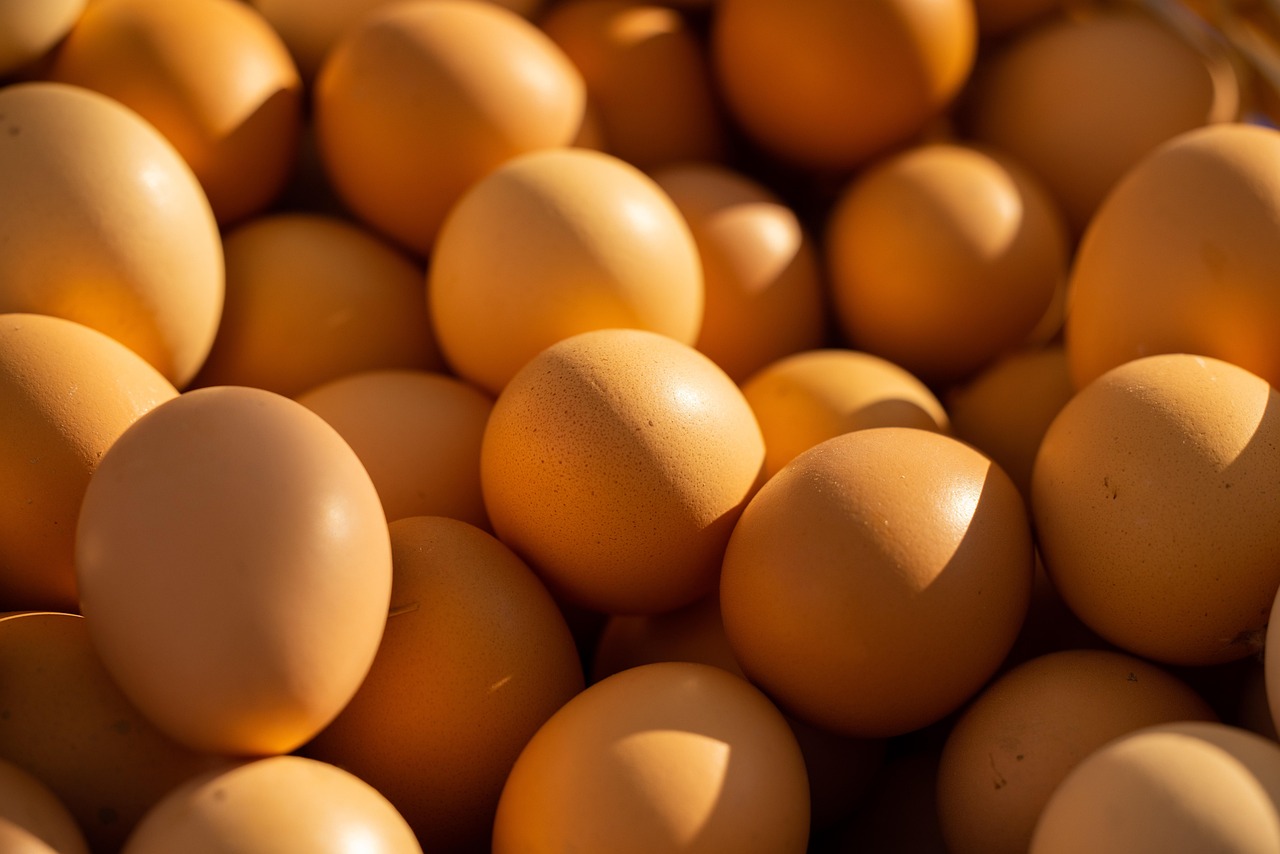
- Eggs: One large egg contains about 6 grams of protein. They are incredibly versatile: hard-boiled, scrambled, poached, or as an omelet. Hard-boiled eggs can be prepared in advance and stored in the fridge for quick snacks or additions to salads.
- Greek Yogurt: A 6-ounce serving can provide 15-20 grams of protein. Choose plain, unsweetened varieties to avoid added sugars. It can be eaten alone, with fruit, or used as a base for dips and sauces.
- Cottage Cheese: Similar to Greek yogurt, cottage cheese is a good source of protein (around 12-14 grams per half cup). It pairs well with fruit, vegetables, or whole-grain crackers.
- Canned Fish (Tuna, Salmon, Sardines): These are excellent, convenient protein sources. They are shelf-stable and require no cooking. Tuna or salmon can be mixed with Greek yogurt or avocado for a healthier spread, while sardines offer bone health benefits due to calcium and vitamin D.
- Nut Butters: Peanut, almond, or cashew butter spread on whole-grain toast, apple slices, or celery sticks provides protein and healthy fats. Look for varieties with minimal added sugar and no hydrogenated oils.
- Cheese: Cubes of cheese, string cheese, or sliced cheese are convenient snacks. Opt for lower-sodium options where possible.
- Cooked Legumes (Canned Beans, Lentils, Chickpeas): These are fantastic plant-based protein sources. Canned versions are ready to eat after a quick rinse. Add them to salads, soups, or mash them into spreads.
- Protein Powder: Can be easily added to smoothies, oatmeal, or even mashed potatoes to boost protein content without significantly altering flavor or texture.
When considering easy protein options, the practical implication is often about convenience. Keeping a well-stocked pantry and refrigerator with these items can make a significant difference. The trade-off is often cost, as some convenience foods can be pricier, but the health benefits usually justify the investment.
81 High-Protein Dinner Recipes
While 81 specific recipes cannot all be listed here, the principle behind having a vast repertoire is to ensure variety and prevent meal fatigue. The goal isn’t necessarily to cook 81 unique dishes, but to understand the categories and techniques that allow for endless variations of high-protein dinners.
Categorizing recipes by protein source or cooking method can help. For instance, think about:
- Poultry-based: Chicken breast (baked, grilled, stir-fried, stewed), turkey meatballs, ground turkey chili.
- Fish & Seafood-based: Baked cod, pan-seared scallops, shrimp stir-fry, fish tacos.
- Red Meat-based (lean cuts): Lean beef stir-fry, pork tenderloin with roasted apples, shepherd’s pie with lean ground beef.
- Legume/Plant-based: Black bean burgers, lentil shepherd’s pie, chickpea and spinach curry, tofu and vegetable skewers.
- Egg-based (dinner options): Frittatas, quiches, savory stratas.
For each category, consider different preparation methods:
- Sheet Pan Meals: As mentioned, these are incredibly easy. Pair any protein (chicken, fish, tofu, sausages) with sturdy vegetables (broccoli, carrots, potatoes, bell peppers) and roast.
- Slow Cooker Meals: Ideal for stews, chilis, and pulled meats. Requires minimal hands-on time.
- Stir-fries: Quick cooking, versatile, and excellent for using up leftover vegetables.
- One-Pot Pastas/Grains: Cook pasta or grains directly in sauce with protein (e.g., chicken and pasta in a tomato-based sauce).
- Grilling/Broiling: Fast cooking methods for meats and fish, often requiring minimal cleanup.
The practical implication of having many options is flexibility. If you’re tired of chicken, you can easily pivot to fish or a plant-based meal. The trade-off is needing a broader range of ingredients, but many staple items (onions, garlic, common spices) are used across numerous recipes.
High Calorie High Protein Diet Ideas + Recipes
While many older adults need to increase protein, some also face challenges with maintaining a healthy weight due to decreased appetite or increased energy expenditure from illness or recovery. In these cases, a high-calorie, high-protein diet becomes essential. The focus shifts from just protein to also boosting calorie density in a nutritious way.
Strategies for High-Calorie, High-Protein Meals:
- Add Healthy Fats: Incorporate olive oil, avocado, nuts, seeds, and full-fat dairy products.
- Example: Drizzle extra olive oil on salads and roasted vegetables. Add avocado slices to sandwiches or eggs.
- Boost with Carbs: Include complex carbohydrates like sweet potatoes, quinoa, brown rice, and whole-grain bread.
- Example: Serve protein with a larger portion of roasted sweet potatoes or a side of quinoa.
- Fortify Drinks: Blend protein powder, milk (dairy or fortified plant-based), nut butter, and fruit into smoothies.
- Example: A smoothie with Greek yogurt, protein powder, banana, and almond butter.
- Snack Smart: Encourage frequent, calorie-dense, protein-rich snacks.
- Example: A handful of trail mix (nuts, seeds, dried fruit), cheese and whole-grain crackers, or a small bowl of full-fat cottage cheese.
Recipe Ideas for High-Calorie, High-Protein:
- Creamy Chicken and Wild Rice Soup: Use full-fat milk or cream, and add plenty of chicken and wild rice for both protein and complex carbohydrates.
- Salmon with Pesto Pasta: Pesto is calorie-dense due to oil and nuts. Combine with whole-grain pasta and flaky salmon.
- Loaded Baked Potatoes: Top a large baked potato with chili (meat or bean-based), cheese, Greek yogurt or sour cream, and chives.
- Nut Butter and Banana Toast: Spread generous amounts of nut butter on thick slices of whole-grain toast, top with banana slices, and a sprinkle of chia seeds.
- Avocado and Egg Toast: Mash avocado on toast, top with a fried or poached egg, and a sprinkle of everything bagel seasoning.
The practical implications here involve choosing ingredients that naturally have higher calorie content but still offer nutritional value. The trade-off might be higher fat content, but for individuals needing to gain or maintain weight, these fats are often beneficial. Always consult with a healthcare provider or dietitian if significant weight changes are a concern.
Top 5 High Protein Meals for Seniors
When condensing the vast array of options, these five meals stand out for their combination of high protein content, ease of preparation, and general appeal to older adults.
Greek Yogurt with Berries and Nuts:
- Why it’s great: Extremely quick, no cooking required, versatile for breakfast or snack. Greek yogurt provides a significant protein boost, and berries add antioxidants and fiber. Nuts offer healthy fats and additional protein.
- Protein per serving: ~20-25g (depending on yogurt and nuts)
- Prep: 2 minutes.
Sheet Pan Lemon Herb Salmon and Asparagus:
- Why it’s great: Minimal cleanup, balanced meal with protein, healthy fats (omega-3s), and vegetables. The flavors are bright and generally well-liked.
- Protein per serving: ~25-30g (depending on salmon portion)
- Prep: 10 minutes active, 20 minutes passive cooking.
Hearty Lentil and Vegetable Soup: A more grounded way to view thisat:** A fantastic plant-based option, rich in fiber and protein. Can be made in large batches and frozen for future meals. It’s warming and easy to digest. A more grounded way to view thisserving:** ~15-20g (depending on portion)
- Prep: 15 minutes active, 45-60 minutes simmering.
Chicken and Veggie Stir-fry with Brown Rice: A more grounded way to view thisat:** Highly customizable with whatever vegetables are on hand. Quick cooking, lean protein, and complex carbohydrates. Can be made with pre-cooked chicken for even faster prep. A more grounded way to view thisserving:** ~25-35g (depending on chicken portion)
- Prep: 20-25 minutes.
Cottage Cheese and Fruit Bowl: A more grounded way to view thisat:** Simple, refreshing, and packed with protein. Ideal for a light lunch or substantial snack. Can be enhanced with a sprinkle of cinnamon or a drizzle of honey. A more grounded way to view thisserving:** ~12-18g (depending on cottage cheese portion) A more grounded way to view thisnutes.
These meals represent a balance of different cooking styles and protein sources, making them excellent high-protein recipes for older adults seeking to maintain muscle and overall health. They address common challenges like reduced appetite (smaller, frequent meals), ease of chewing (softer textures like soup or yogurt), and minimal cooking effort.
Conclusion
Prioritizing high-protein recipes is a proactive step toward healthy aging, particularly for older adults aiming to combat muscle loss and maintain vitality. The emphasis should always be on making these dietary changes sustainable, enjoyable, and tailored to individual needs and preferences. By incorporating simple, flavorful, and easy-to-prepare protein-rich foods into daily meals, older adults can significantly support their muscle health, energy levels, and overall well-being. Remember that consistency is key, and even small, regular adjustments to protein intake can yield substantial long-term benefits.