
Maintaining muscle mass and strength becomes increasingly important as we age, particularly for active seniors. A key component of this is adequate protein intake. This article explores why protein is crucial for older adults and offers practical, easy-to-prepare high-protein recipes and meal ideas designed to support muscle health, combat sarcopenia, and enhance overall well-being. We’ll focus on accessible ingredients and straightforward cooking methods to make healthy eating an enjoyable and sustainable part of an active lifestyle.
The Role of Protein in Healthy Aging
For active seniors, protein isn’t just about building bulk; it’s fundamental for preserving existing muscle, supporting recovery from physical activity, and maintaining metabolic function. As we age, the body’s ability to synthesize protein can become less efficient, a phenomenon sometimes referred to as “anabolic resistance.” This means older adults often require more protein per kilogram of body weight than younger individuals to achieve the same muscle protein synthesis.
Sarcopenia, the age-related loss of muscle mass and strength, is a significant concern. It can impact mobility, balance, and independence. Adequate protein, combined with regular resistance exercise, is a primary strategy for mitigating sarcopenia. High-protein diets can also contribute to satiety, helping with weight management, and provide the building blocks for enzymes, hormones, and immune cells.
While the specific protein recommendations can vary based on individual health status and activity levels, many health organizations suggest that older adults aim for 1.0 to 1.2 grams of protein per kilogram of body weight daily, or even higher for those with specific health conditions or intense activity levels. For someone weighing 150 pounds (approximately 68 kg), this would translate to about 68 to 82 grams of protein per day. Spreading this intake throughout the day across meals and snacks is often more effective than consuming a large amount in one sitting.
Easy High-Protein Food for Seniors
Incorporating high-protein foods doesn’t have to be complicated. The key is to choose nutrient-dense options that are versatile and easy to prepare. Focus on whole, unprocessed foods.
Consider these categories for your meals and snacks:
- Lean Meats: Chicken breast, turkey, lean beef cuts (sirloin, round), pork loin. These are excellent sources of complete protein, meaning they contain all essential amino acids.
- Fish and Seafood: Salmon, tuna, cod, shrimp, sardines. Many fish, especially fatty fish like salmon, also provide beneficial omega-3 fatty acids.
- Eggs: A highly bioavailable protein source, eggs are inexpensive and incredibly versatile for any meal of the day.
- Dairy Products: Greek yogurt, cottage cheese, milk, cheese. These offer protein, calcium, and often vitamin D. Opt for plain, unsweetened varieties of yogurt and cottage cheese.
- Legumes: Lentils, beans (black beans, kidney beans, chickpeas). These are plant-based protein sources also rich in fiber.
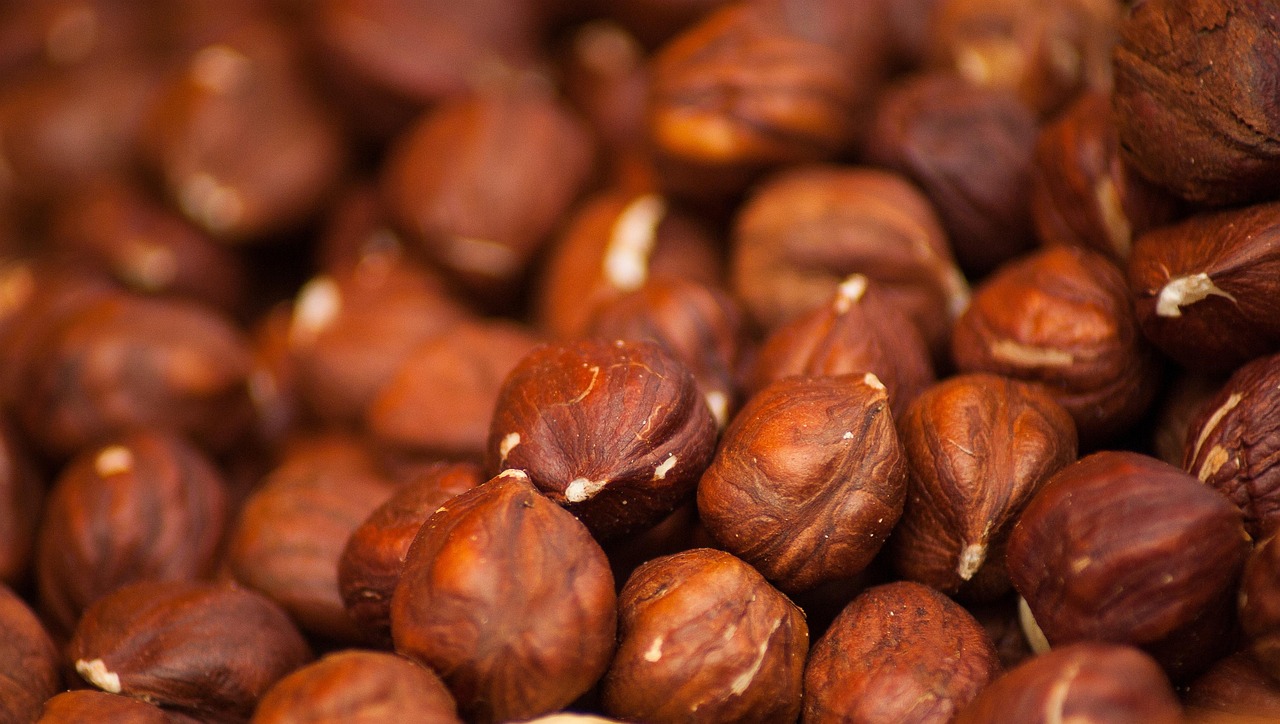
- Nuts and Seeds: Almonds, walnuts, chia seeds, flax seeds, pumpkin seeds. Good for snacks or as additions to meals, providing protein, healthy fats, and fiber.
- Soy Products: Tofu, tempeh, edamame. Excellent plant-based protein options, especially for those following vegetarian or vegan diets.
- Protein Powders: Whey, casein, soy, pea, or rice protein powders can supplement meals or snacks, especially if appetite is low or protein needs are very high.
When selecting foods, consider ease of chewing and digestion. Softer proteins like cottage cheese, Greek yogurt, scrambled eggs, and well-cooked fish can be particularly helpful.
What Are Some High-Protein Recipes for Older Adults?
Here are some practical and delicious high-protein recipes suitable for active seniors, focusing on simplicity and nutritional value. These recipes are designed to be adaptable and can often be made in larger batches for convenience.
Breakfast Ideas:
- Greek Yogurt Parfait with Berries and Nuts: Layer 1 cup plain Greek yogurt (15-20g protein) with 1/2 cup mixed berries and a small handful of chopped almonds or walnuts (3-5g protein).
- Scrambled Eggs with Spinach and Feta: Whisk 2-3 eggs (12-18g protein) with a splash of milk. Sauté a handful of fresh spinach until wilted, then add eggs and scramble. Stir in 1-2 tablespoons of crumbled feta cheese (adds flavor and a little extra protein). Serve with a slice of whole-grain toast.
- Cottage Cheese and Fruit Bowl: 1 cup cottage cheese (25g protein) topped with sliced peaches, pineapple, or melon. A sprinkle of chia seeds adds fiber and healthy fats.
Lunch Ideas:
- Tuna Salad Lettuce Wraps: Mix a can of drained tuna (20g protein) with plain Greek yogurt or a small amount of mayonnaise, chopped celery, and a squeeze of lemon. Serve in large lettuce cups instead of bread for a lighter option.
- Lentil Soup (Batch Cook): Cook a big pot of lentil soup with carrots, celery, onions, and vegetable broth. Lentils are packed with protein (about 9g per 1/2 cup cooked) and fiber. Freeze individual portions for quick meals.
- Chicken and Veggie Skewers: Marinate chicken breast chunks (cut into 1-inch pieces) in a simple mixture of olive oil, lemon juice, and herbs. Thread onto skewers with bell peppers, zucchini, and cherry tomatoes. Grill or bake until cooked through. Serve with a small side of quinoa or brown rice.
Dinner Ideas:
- Sheet-Pan Salmon with Asparagus and Sweet Potatoes: This is a one-pan wonder. Toss cubed sweet potatoes and asparagus spears with olive oil, salt, pepper, and garlic powder. Spread on a baking sheet. Place salmon fillets on the same sheet. Bake at 400°F (200°C) for 15-20 minutes, or until salmon is cooked and vegetables are tender. Salmon provides about 22g of protein per 3oz serving.
- Turkey Meatloaf Muffins: Instead of a large loaf, make individual meatloaf muffins using lean ground turkey (20-25g protein per serving). Mix ground turkey with an egg, breadcrumbs (or rolled oats), finely chopped onion and bell pepper, and your favorite seasonings. Bake in a muffin tin. These are portion-controlled and cook quickly.
- Bean and Cheese Quesadillas: Warm whole-wheat tortillas. Fill with black beans (about 7g protein per 1/2 cup), shredded cheese, and a sprinkle of corn. Fold and cook in a dry pan until cheese is melted and tortillas are lightly browned. Serve with salsa and a dollop of Greek yogurt.
High-Protein Dinners That Are Easier Than Chicken
Sometimes, even preparing chicken feels like too much effort. These alternatives offer substantial protein with minimal fuss.
1. Cottage Cheese and Veggie Bowl with Everything Bagel Seasoning
This isn’t just a snack; it can be a quick and satisfying dinner. A cup of cottage cheese provides around 25 grams of protein. Add chopped cucumber, cherry tomatoes, and a sprinkle of everything bagel seasoning for flavor and texture. A drizzle of olive oil can add healthy fats. It requires no cooking whatsoever.
2. Speedy Shrimp Scampi with Zucchini Noodles
Shrimp cooks very quickly and is a lean protein source (about 20g per 3oz serving). Sauté shrimp with garlic, olive oil, a splash of white wine or broth, and a squeeze of lemon juice. Serve over pre-made zucchini noodles (or regular pasta if preferred), which can be quickly steamed or lightly sautéed. The total cooking time is often under 15 minutes.
3. Pre-Cooked Rotisserie Chicken with Steamed Green Beans and Quinoa
While this technically involves chicken, it leverages a pre-cooked rotisserie chicken, eliminating the cooking step. Simply shred the chicken and serve alongside quick-cooking quinoa (which offers protein itself, about 8g per cup cooked) and microwavable steamed green beans. A balanced, high-protein meal ready in minutes.
4. Hard-Boiled Egg and Avocado Toast with Hemp Seeds
Toast a slice of whole-grain bread. Mash half an avocado on top, season with salt and pepper. Slice two hard-boiled eggs (12-14g protein) over the avocado toast. Sprinkle with hemp seeds (about 3g protein per tablespoon) for an extra boost. This requires no active cooking, just assembly.
Easy High-Protein Snacks for Seniors
Snacks play a crucial role in meeting daily protein targets, especially if appetite is smaller at meal times. They can also prevent energy slumps.
- Hard-Boiled Eggs: Keep a batch in the fridge for a quick grab-and-go snack (6g protein per egg).
- Cheese Sticks or Cubes: Portable and satisfying (around 7g protein per stick).
- Handful of Nuts or Seeds: Almonds, walnuts, pumpkin seeds, or a mixed trail mix (check for low sugar options) (5-7g protein per 1/4 cup).
- Greek Yogurt with a sprinkle of cinnamon: Simple, creamy, and high in protein (15-20g per cup).
- Cottage Cheese with Sliced Cucumber: Refreshing and protein-packed (25g per cup).
- Edamame (Steamed): A good plant-based option, either in the pod or shelled (11g protein per 1/2 cup).
- Protein Smoothie: Blend milk (dairy or fortified plant milk), a scoop of protein powder, a banana, and a handful of spinach for an easy, nutrient-dense drink.
- Beef or Turkey Jerky (Low Sodium): A convenient, shelf-stable protein source, look for options without excessive sodium or added sugars (around 10g protein per ounce).
High Calorie High Protein Diet Ideas + Recipes
For some active seniors, particularly those experiencing unintentional weight loss, a high-calorie, high-protein approach might be beneficial. This means not only increasing protein but also ensuring sufficient energy intake from healthy fats and complex carbohydrates.
Strategies for increasing calories and protein:
- Add Healthy Fats: Incorporate olive oil, avocado, nuts, seeds, and nut butters into meals and snacks.
- Use Full-Fat Dairy: Opt for whole milk, full-fat Greek yogurt, and cheeses if tolerated.
- Boost Smoothies: Add protein powder, nut butter, avocado, oats, and full-fat yogurt to smoothies.
- Regular Snacking: Plan for 2-3 substantial snacks between meals.
- Fortify Meals: Stir protein powder into oatmeal, soups, or mashed potatoes. Add extra cheese to eggs or vegetables.
High-Calorie, High-Protein Recipe Example: Power Bowl
This recipe combines multiple protein and calorie sources in one satisfying meal.
Ingredients:
- 1 cup cooked quinoa (provides complex carbs and about 8g protein)
- 4 oz cooked chicken breast or salmon, shredded or flaked (25-30g protein)
- 1/2 avocado, sliced (healthy fats, calories)
- 1/4 cup black beans, rinsed (fiber, plant protein)
- Handful of mixed greens or spinach
- 2 tbsp olive oil and lemon juice dressing
- 1 tbsp pumpkin seeds (healthy fats, protein)
- Optional: 1 hard-boiled egg, sliced (additional 6g protein)
Instructions:
- Layer the cooked quinoa, mixed greens, chicken/salmon, avocado, and black beans in a bowl.
- Drizzle with olive oil and lemon juice dressing.
- Top with pumpkin seeds and sliced hard-boiled egg if using.
This bowl provides a significant amount of protein, healthy fats, and complex carbohydrates, making it a nutrient-dense option for those needing extra calories and protein.
FAQ
What is the best high protein diet for seniors? The “best” high-protein diet for seniors emphasizes lean protein sources from a variety of foods, distributed throughout the day. It’s not about a restrictive diet but rather a balanced eating pattern that consistently meets protein needs. This includes lean meats, poultry, fish, eggs, dairy products (especially Greek yogurt and cottage cheese), legumes, nuts, and seeds. The focus should be on whole, minimally processed foods to ensure adequate intake of other essential nutrients like vitamins, minerals, and fiber. Consulting with a healthcare provider or registered dietitian is advisable to tailor recommendations to individual health needs and goals.
How much protein should a 70-year-old eat per day? While general recommendations for adults are around 0.8 grams of protein per kilogram of body weight, many experts suggest that older adults, including those aged 70 and above, benefit from a higher intake due to age-related changes in protein metabolism. A common recommendation for active seniors is 1.0 to 1.2 grams of protein per kilogram of body weight per day. For example, a 70-year-old weighing 150 pounds (approximately 68 kg) would aim for roughly 68 to 82 grams of protein daily. This protein intake should be spread across meals and snacks rather than consumed in one large sitting.
What are 5 foods that seniors should eat every day? While daily consumption of specific foods can vary, focusing on these categories generally provides a strong nutritional foundation for seniors:
- Lean Protein Sources: Such as eggs, Greek yogurt, or lean chicken/fish. Crucial for muscle maintenance.
- Colorful Fruits and Vegetables: Berries, leafy greens, broccoli, carrots. Rich in vitamins, minerals, and antioxidants.
- Whole Grains: Oats, quinoa, brown rice, whole-wheat bread. Provide energy, fiber, and B vitamins.
- Healthy Fats: Avocado, nuts, seeds, olive oil. Support brain health, reduce inflammation, and aid nutrient absorption.
- Calcium-Rich Foods: Milk, fortified plant milks, cheese, fortified cereals. Important for bone health.
Conclusion
Prioritizing protein in the diet is a fundamental strategy for active seniors looking to maintain muscle mass, strength, and overall vitality. By focusing on simple, accessible, and delicious high-protein recipes, older adults can effectively combat sarcopenia, enhance recovery from physical activity, and support their active lifestyles. The key lies in consistent, varied protein intake from whole food sources, integrated into meals and snacks throughout the day. Experiment with the recipes and ideas presented here to find what works best for your taste and routine, making healthy eating an enjoyable and sustainable habit for years to come.