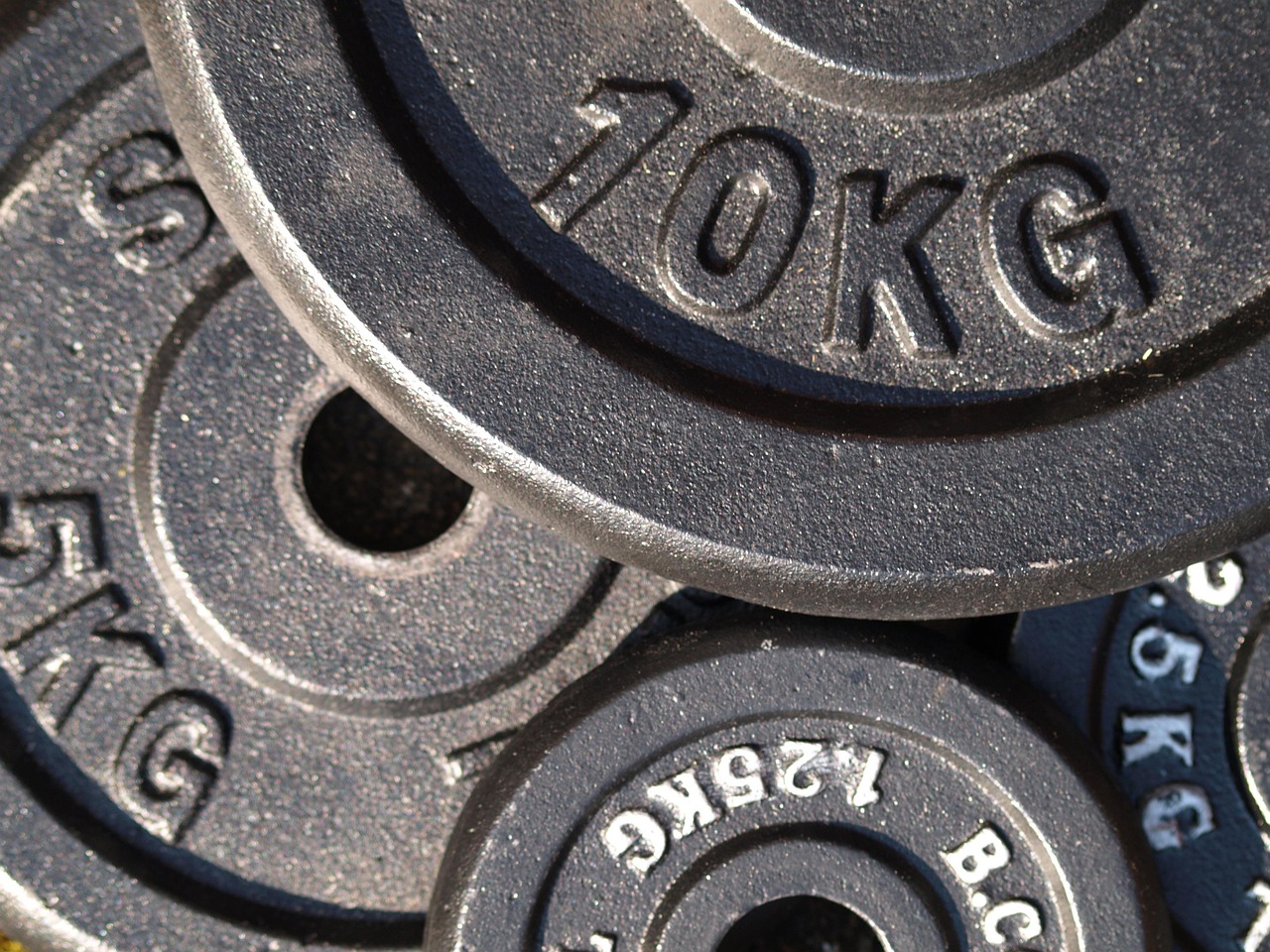

Achieving and maintaining muscle health throughout life is more than just an aesthetic goal; it’s a fundamental component of overall well-being, independence, and vitality. This article explores the foundational muscle health principles that contribute to building and preserving muscle mass and function across the lifespan. We’ll examine how these principles apply to different stages of life, the practical implications of various approaches, and the factors that influence long-term muscle preservation.
Preserve Your Muscle Mass for Lifelong Muscle Health
Preserving muscle mass is crucial because muscle tissue isn’t just for strength; it’s metabolically active, playing a role in glucose regulation, bone density, and even immune function. The natural aging process often brings a gradual decline in muscle mass and strength, a condition known as sarcopenia. This decline typically begins in our 30s and accelerates after age 60, impacting everything from balance and mobility to metabolic rate.
The core idea behind muscle preservation is consistent engagement. Muscles respond to demand. If they are not regularly challenged, they will atrophy. This isn’t about becoming a bodybuilder in old age, but rather about providing adequate stimulus to signal to the body that muscle tissue is still necessary.
Practically, this means incorporating some form of resistance training into your routine. This doesn’t necessarily require a gym membership or heavy weights. Bodyweight exercises, resistance bands, or even household objects can provide sufficient stimulus. The key is progressive overload – gradually increasing the challenge over time. For instance, if you start with 10 squats, you might eventually aim for 12, then 15, or switch to a more challenging variation.
A common trade-off is the time commitment. Many people feel they don’t have enough time for dedicated strength training. However, even two to three sessions of 20-30 minutes per week can make a significant difference. Another consideration is the risk of injury, especially as we age. Proper form is paramount. Consulting with a qualified fitness professional, even for a few sessions, can help establish safe and effective techniques. For someone recovering from an injury or managing chronic pain, modifications are essential. For example, a person with knee issues might opt for wall squats or leg presses instead of traditional squats. The goal is to find movements that challenge the muscles without exacerbating existing conditions.
How Can Strength Training Build Healthier Bodies as We Age?
Strength training is arguably the most effective intervention for building and maintaining muscle mass and function as we age. Its benefits extend far beyond just bigger muscles, impacting almost every system in the body.
The process involves creating microscopic tears in muscle fibers, which the body then repairs and rebuilds, making them stronger and sometimes larger. This adaptive response is what leads to increased strength and muscle mass. For older adults, this translates directly into improved functional capacity. Tasks that might become difficult, such as carrying groceries, climbing stairs, or getting up from a chair, become easier.
One practical implication is the reduction in fall risk. Stronger leg muscles and improved balance, both direct outcomes of strength training, significantly lower the likelihood of falls, which are a major cause of injury and disability in older populations. Consider an individual who struggles with stability. Regular resistance exercises targeting the glutes, hamstrings, and core can enhance their proprioception (the body’s sense of its position in space) and overall stability, making them more confident on their feet.
Another benefit lies in bone health. Strength training places stress on bones, stimulating osteoblasts (bone-building cells) to lay down new bone tissue. This helps counteract age-related bone density loss, reducing the risk of osteoporosis and fractures. For someone concerned about bone density, exercises like squats, deadlifts (with appropriate form and weight), and overhead presses are particularly beneficial as they are compound movements that load multiple joints and bones.
A common misconception is that strength training is only for the young or already fit. This is not the case. Programs can be tailored for any fitness level, from chair-based exercises for those with limited mobility to advanced weightlifting for seasoned athletes. The “trade-off” here might be the initial discomfort or muscle soreness (DOMS - Delayed Onset Muscle Soreness) that can occur after starting a new routine. This is a normal physiological response and typically subsides as the body adapts. Starting slowly and gradually increasing intensity helps mitigate this.
For example, a person who has been largely sedentary might begin with bodyweight exercises like wall push-ups, chair squats, and calf raises. After a few weeks, they might progress to light dumbbells or resistance bands, slowly increasing the challenge as their strength improves. The key is consistency and adaptation.
Why Muscle Mass Matters and How to Keep It
Muscle mass is a vital indicator of overall health, often overlooked until its decline becomes noticeable. Beyond strength and appearance, adequate muscle mass is critical for metabolic health, injury prevention, and even cognitive function.
Its importance stems from its role as a metabolic engine. Muscle tissue burns more calories at rest than fat tissue, contributing to a higher basal metabolic rate. This helps in weight management and can prevent the accumulation of excess body fat, which is linked to numerous health issues. Furthermore, muscles are the primary site for glucose uptake and storage. Higher muscle mass improves insulin sensitivity, reducing the risk of type 2 diabetes. Imagine two individuals of the same weight: one with higher muscle mass and lower body fat, and another with lower muscle mass and higher body fat. The individual with more muscle will generally have better blood sugar control and a more efficient metabolism.
To keep muscle mass, the foundational principles revolve around three pillars: progressive resistance training, adequate protein intake, and sufficient rest and recovery.
- Progressive Resistance Training: As discussed, regularly challenging your muscles is non-negotiable. This means lifting weights, using resistance bands, or performing bodyweight exercises that push your muscles beyond their current capacity. The progression can involve increasing weight, repetitions, sets, or decreasing rest times.
- Adequate Protein Intake: Protein provides the amino acids necessary for muscle repair and growth. Without sufficient protein, the body struggles to rebuild muscle tissue, especially after exercise. The general recommendation for active adults is around 1.6 to 2.2 grams of protein per kilogram of body weight per day, distributed throughout meals. For example, a 70kg (154lb) individual might aim for 112-154 grams of protein daily. This might mean including lean meats, poultry, fish, eggs, dairy, legumes, and protein supplements in their diet.
- Sufficient Rest and Recovery: Muscles grow and repair outside of the gym. Overtraining without allowing for recovery can lead to diminishing returns, increased injury risk, and chronic fatigue. Aim for 7-9 hours of quality sleep per night and incorporate rest days into your training schedule.
A common trade-off is the perceived difficulty of consistently hitting protein targets or fitting in enough rest. Meal prepping can help with protein intake, and prioritizing sleep often requires conscious effort to manage evening routines. For those with dietary restrictions (e.g., vegetarian, vegan), careful planning is needed to ensure a complete amino acid profile from plant-based sources. For instance, combining legumes with grains (like beans and rice) can provide a full spectrum of essential amino acids.
7 Reasons Why Strength Training Is Key to Living Longer
While “living longer” is a complex outcome influenced by many factors, strength training contributes significantly by improving several key health markers and functional capacities. Here are seven reasons why:
- Maintains Muscle Mass and Strength: Directly combats sarcopenia, preserving physical independence.
- Improves Bone Density: Reduces the risk of osteoporosis and fractures, particularly critical in later life.
- Enhances Metabolic Health: Increases insulin sensitivity, aids in blood sugar control, and boosts resting metabolism for better weight management.
- Reduces Risk of Chronic Diseases: Lowered risk of type 2 diabetes, cardiovascular disease, and certain cancers due to improved body composition and metabolic function.
- Boosts Cognitive Function: Studies suggest a link between physical activity, especially resistance training, and improved brain health, memory, and executive function.
- Improves Balance and Mobility: Stronger muscles and better proprioception lead to fewer falls and greater ease of movement.
- Elevates Mood and Mental Health: Releases endorphins, reduces symptoms of depression and anxiety, and fosters a sense of accomplishment and self-efficacy.
Consider an older adult who incorporates strength training three times a week. They might find they can play with grandchildren more actively, garden without pain, and navigate uneven terrain with confidence. The cumulative effect of these improvements contributes to a higher quality of life and a reduced burden of age-related diseases, which in turn supports longevity. The trade-off is the consistent effort required, but the return on investment in terms of health and independence is substantial.
The Importance of Muscle Mass on Healthy Aging
Healthy aging is characterized by the ability to maintain functional independence, cognitive vitality, and a good quality of life. Muscle mass plays a central, often underappreciated, role in achieving these goals.
Beyond the direct benefits of strength and mobility, muscle mass acts as a reserve. In times of illness, injury, or stress, the body can catabolize (break down) muscle protein to supply amino acids for immune function, tissue repair, and energy. Individuals with greater muscle reserves tend to recover more quickly and completely from these challenges. This is a critical factor in healthy aging, as the elderly are more susceptible to illness and injury. For example, after a hospitalization, an individual with robust muscle mass is far more likely to regain their previous level of function than someone who was already sarcopenic.
Furthermore, muscle mass is integral to maintaining a healthy body composition. As we age, there’s a tendency to lose muscle and gain fat, even if body weight remains stable. This shift, known as sarcopenic obesity, is particularly detrimental, combining the negative effects of low muscle mass with the risks associated with excess body fat. It exacerbates metabolic dysfunction, increases inflammation, and further impairs physical function.
The practical implication is that focusing solely on weight on the scale can be misleading. A more holistic approach considers body composition. Regular strength training, combined with adequate nutrition, is the primary strategy to mitigate sarcopenic obesity.
| Indicator | Good Muscle Mass | Low Muscle Mass (Sarcopenia) |
|---|---|---|
| Metabolic Health | Improved insulin sensitivity, efficient glucose control | Increased insulin resistance, higher risk of type 2 diabetes |
| Physical Function | Easier movement, better balance, reduced fall risk | Difficulty with daily tasks, increased fall risk, reduced mobility |
| Recovery from Illness/Injury | Faster and more complete recovery | Prolonged recovery, increased risk of complications |
| Bone Density | Higher bone mineral density, lower osteoporosis risk | Lower bone mineral density, higher osteoporosis risk |
| Energy Levels | Higher resting metabolism, more vitality | Lower resting metabolism, increased fatigue |
The trade-off for prioritizing muscle mass might involve shifting dietary focus from purely calorie restriction to nutrient density, particularly protein. It also means potentially adopting a more structured exercise routine than simply walking, though walking remains valuable for cardiovascular health. For those who have never engaged in resistance training, the learning curve can be a deterrent, but the long-term benefits far outweigh this initial hurdle.
Muscle Strength is Key to Living Healthier, Longer
Muscle strength is not just about lifting heavy objects; it’s a fundamental aspect of physiological resilience and quality of life. Stronger muscles allow for greater independence, better protection against injury, and enhanced performance in daily activities.
The concept is simple: the stronger your muscles, the less effort required for any given task. This ‘reserve capacity’ is invaluable. For instance, if lifting a 10-pound bag of groceries uses 50% of your maximum strength, it’s far more taxing than if it uses only 10% of your maximum strength. The latter allows for more energy for other activities and reduces fatigue. This reserve capacity directly correlates with how “easy” life feels, especially as demands increase with age.
Building and maintaining muscle strength involves consistent application of the progressive overload principle. This means regularly challenging muscles with resistance that is slightly beyond their current capacity, then allowing them to adapt and grow stronger. This cycle of challenge, adaptation, and growth is what drives strength gains.
Consider the example of grip strength. Often used as a proxy for overall body strength, strong grip is linked to better cardiovascular health, lower risk of disability, and increased longevity. Simple exercises like carrying heavy bags, using grip strengtheners, or performing deadlifts (which heavily engage grip) can contribute to this.
One practical implication is designing a balanced strength training program that targets all major muscle groups. Focusing disproportionately on one area can lead to imbalances and potential injury. A full-body routine performed 2-3 times per week, hitting legs, back, chest, shoulders, and arms, is a practical approach.
A potential trade-off is the perception that strength training must be intense or involve heavy lifting. While progressive overload is key, it doesn’t always mean maximal lifts. For many, especially beginners or older adults, consistent moderate resistance is highly effective. It’s about smart training, not just hard training. Learning proper technique is crucial to avoid injury. Many gyms offer introductory sessions with trainers who can teach safe movement patterns. For someone worried about joint pain, modifying exercises (e.g., using machines instead of free weights, adjusting range of motion) can allow them to build strength without exacerbating discomfort.
FAQ
Can you gain muscle while on Zepbound?
Zepbound (tirzepatide) is a medication primarily used for weight management, often leading to significant weight loss. While it can be effective for reducing body fat, there’s a risk of losing some muscle mass alongside fat, as is common with any substantial calorie deficit. To mitigate muscle loss and potentially gain muscle while on Zepbound, it’s crucial to combine the medication with a structured resistance training program and ensure adequate protein intake. The body still needs the stimulus from exercise and the building blocks from protein to maintain or build muscle, even when in a calorie deficit.
What do eggs do to your muscles after 50?
Eggs are an excellent source of high-quality protein, which is vital for muscle maintenance and growth at any age, including after 50. As we age, the body’s anabolic response (muscle building) can become less efficient, a phenomenon called “anabolic resistance.” Consuming sufficient protein, particularly around exercise, helps counteract this. Eggs provide all nine essential amino acids needed for muscle protein synthesis, making them a highly effective and bioavailable protein source. Incorporating eggs into your diet, whether for breakfast, lunch, or a snack, supports the ongoing repair and rebuilding of muscle tissue, which is crucial for preserving muscle mass and strength as you age.
Can you build muscle with high cortisol?
Chronically elevated cortisol levels, often associated with stress, can make building muscle more challenging. Cortisol is a catabolic hormone, meaning it promotes the breakdown of tissues, including muscle, for energy. While acute, transient spikes in cortisol (like those during intense exercise) are normal and part of the adaptive process, persistently high levels can hinder muscle protein synthesis and accelerate muscle protein breakdown. This doesn’t mean building muscle is impossible with high cortisol, but it can be significantly more difficult. Managing stress through lifestyle interventions (e.g., adequate sleep, stress reduction techniques, balanced training) is important for optimizing your body’s ability to build and maintain muscle.
Conclusion
Lifelong muscle health is not a passive state but an active pursuit, built upon consistent foundational muscle health principles. By understanding the importance of preserving muscle mass, engaging in progressive strength training, prioritizing adequate nutrition, and ensuring sufficient recovery, individuals can significantly impact their physical independence, metabolic health, and overall quality of life as they age. It’s an investment that pays dividends across the lifespan, empowering you to navigate life’s challenges with greater resilience and vitality.