Adequate protein intake is essential at every stage of life, but its importance often increases with age. For older adults, insufficient protein can contribute to muscle loss (sarcopenia), slower recovery from illness, and a general decline in strength and vitality. While protein shakes offer a convenient solution, relying solely on them can overlook the broader benefits of whole foods and varied dietary approaches. This guide explores practical and creative strategies to boost protein in your daily diet, focusing on older adults, without making every meal feel like a chore.
What Are the Best Sources of Protein? Here’s What to Know
Protein sources vary widely in their nutritional profiles, digestibility, and culinary applications. Understanding these differences can help you make informed choices that fit your preferences and dietary needs. The “best” sources aren’t just about raw protein content, but also about the accompanying vitamins, minerals, and other beneficial compounds.
Generally, protein sources are categorized into animal-based and plant-based.
Animal-Based Proteins: These are often considered “complete proteins,” meaning they contain all nine essential amino acids that the human body cannot produce on its own.
- Lean Meats: Chicken breast, turkey, lean cuts of beef (sirloin, round), and pork loin. These offer high protein density with relatively lower fat content.
- Fish and Seafood: Salmon, tuna, cod, shrimp, and scallops are not only rich in protein but often provide omega-3 fatty acids, which are beneficial for heart and brain health.
- Eggs: An incredibly versatile and affordable source, eggs contain high-quality protein in both the yolk and white.
- Dairy Products: Milk, yogurt (especially Greek yogurt), cottage cheese, and hard cheeses. These also provide calcium, which is crucial for bone health.
Plant-Based Proteins: While many individual plant proteins are “incomplete,” combining various plant sources throughout the day can ensure you get all essential amino acids.
- Legumes: Lentils, chickpeas, black beans, kidney beans, and edamame. These are also excellent sources of fiber.
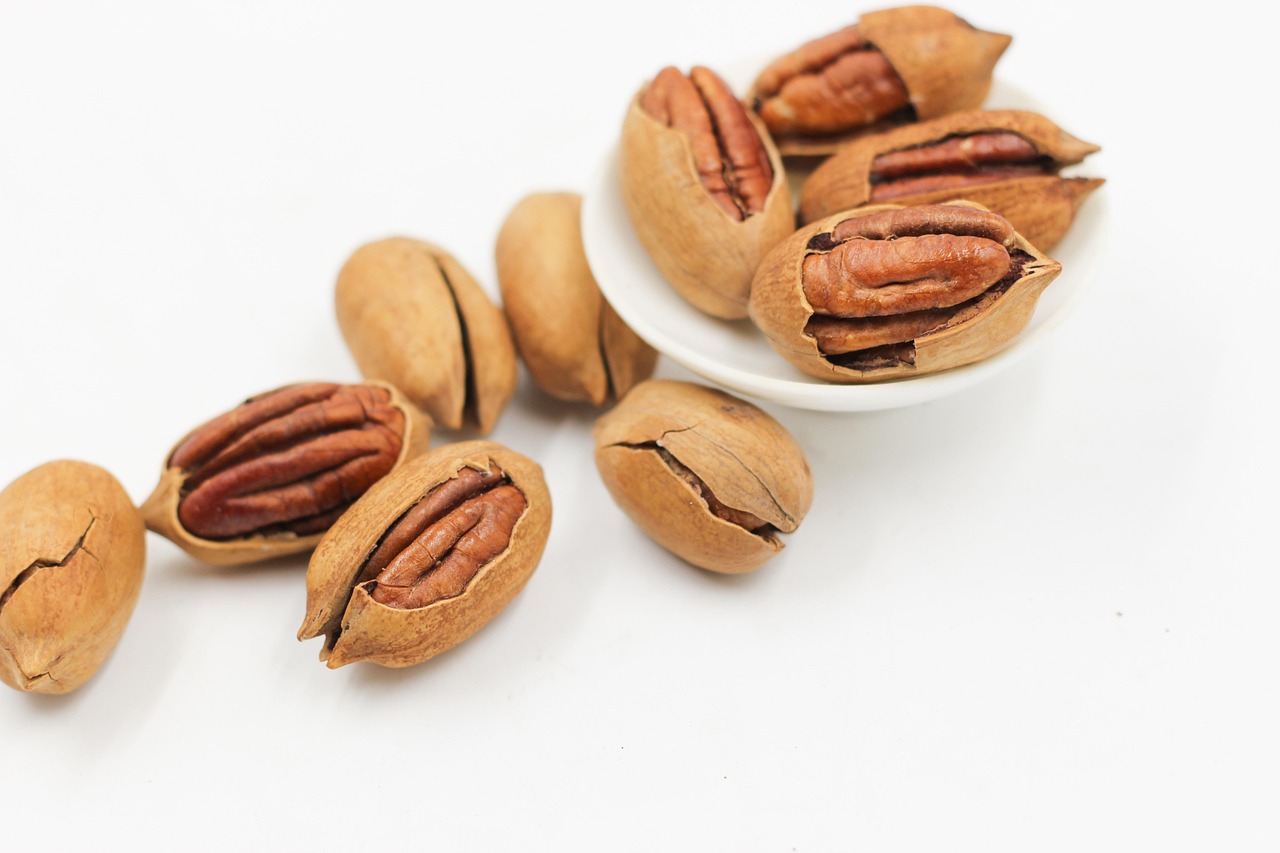
- Nuts and Seeds: Almonds, walnuts, peanuts, chia seeds, flax seeds, pumpkin seeds, and sunflower seeds. They offer healthy fats in addition to protein.
- Whole Grains: Quinoa, oats, brown rice, and whole wheat bread. Quinoa is notable for being a complete protein.
- Soy Products: Tofu, tempeh, and edamame are versatile and can be incorporated into many dishes.
- Vegetables: While not as protein-dense as other sources, vegetables like spinach, broccoli, and asparagus contribute small amounts of protein that add up over the day.
When choosing protein sources, consider factors beyond just protein content. For older adults, ease of chewing and digestion can be important. Softer textures like cooked fish, eggs, yogurt, and well-cooked legumes might be preferred over tougher cuts of meat or very fibrous nuts. Variety is also key to ensuring a broad spectrum of nutrients and keeping meals interesting.
Best High Protein Foods for Older Adults
For older adults, selecting high-protein foods involves considering not just protein content, but also digestibility, nutrient density, and ease of preparation. The goal is to maximize nutritional benefit while minimizing potential issues like chewing difficulties or digestive discomfort.
Here’s a breakdown of some top choices:
- Greek Yogurt: This is a powerhouse. A single serving can provide 15-20 grams of protein. Its smooth texture makes it easy to eat, and it also offers probiotics for gut health and calcium for bones. Opt for plain, unsweetened varieties to control sugar intake.
- Eggs: As mentioned, eggs are highly digestible and packed with protein (about 6 grams per large egg). They are incredibly versatile – scrambled, boiled, poached, or in an omelet – making them suitable for any meal.
- Cottage Cheese: Another dairy champion, cottage cheese delivers a significant protein punch (around 12-14 grams per half-cup) and is soft, making it easy to consume. It pairs well with fruit or as a side with savory dishes.
- Salmon and Other Fatty Fish: Beyond protein (around 20-25 grams per 3-ounce serving), fish like salmon, mackerel, and sardines are rich in omega-3 fatty acids, which support heart and brain health and may reduce inflammation. Their tender flesh is often easier to chew than red meat.
- Chicken and Turkey (Skinless, Lean Cuts): White meat poultry is an excellent source of lean protein (about 25-30 grams per 3-ounce serving). Cooking methods that keep it moist, such as poaching, baking, or stewing, can make it more palatable.
- Lentils and Beans: These plant-based options are not only rich in protein (around 15-18 grams per cooked cup) but also high in fiber, which aids digestion and can help manage blood sugar. They can be incorporated into soups, stews, salads, or even made into dips.
- Tofu and Tempeh: For those seeking plant-based alternatives, tofu (about 10-15 grams per half-cup) and tempeh (around 15-20 grams per half-cup) are versatile and absorb flavors well. Their textures can be adapted through various cooking methods, from soft and silken to firm and chewy.
- Nut Butters: Peanut, almond, or cashew butter (2-4 grams per tablespoon) can be spread on toast, added to smoothies, or eaten with fruit. Choose varieties with minimal added sugar and salt.
When planning meals, think about incorporating a variety of these foods. For instance, an egg for breakfast, a lentil soup for lunch, and baked salmon for dinner, along with yogurt as a snack, would provide a substantial and well-distributed protein intake throughout the day.
Nutrition Needs for Older Adults: Protein
The nutritional landscape shifts as we age, and protein stands out as particularly critical. While general dietary guidelines are valuable, older adults have specific protein needs that often exceed those of younger adults. This increased requirement is primarily due to age-related physiological changes.
Sarcopenia and Anabolic Resistance: A primary concern for older adults is sarcopenia, the progressive loss of muscle mass and strength that occurs with aging. This loss can significantly impact mobility, balance, and overall independence. Compounding this is “anabolic resistance,” meaning that older muscles require a higher amount of protein intake to stimulate muscle protein synthesis compared to younger muscles. Simply put, older bodies need more protein to maintain the same muscle mass.
Recovery and Immune Function: Adequate protein also plays a vital role in recovery from illness, injury, or surgery. It supports wound healing and helps maintain a robust immune system, which can be particularly important as immune function naturally declines with age.
Recommended Protein Intake: Current recommendations for healthy older adults generally suggest a protein intake of 1.0 to 1.2 grams of protein per kilogram of body weight per day (g/kg/day). For comparison, the general adult recommendation is 0.8 g/kg/day. For an older adult weighing 70 kg (approximately 154 lbs), this translates to 70-84 grams of protein daily. If an older adult is experiencing acute or chronic illness, or recovering from surgery, these needs can increase further, sometimes up to 1.5 g/kg/day.
Distribution of Protein: It’s not just about the total daily amount; how protein is distributed throughout the day also matters. Research suggests that spreading protein intake across all meals, rather than consuming most of it in one large meal, can be more effective for stimulating muscle protein synthesis. Aim for roughly 25-30 grams of protein per main meal (breakfast, lunch, and dinner) and incorporate protein-rich snacks.
Considerations:
- Kidney Function: While high protein intake is generally safe for healthy kidneys, individuals with pre-existing kidney disease should consult their doctor or a registered dietitian to determine appropriate protein levels.
- Appetite Changes: Some older adults experience a decrease in appetite. In these cases, focusing on nutrient-dense, protein-rich foods that are palatable and easy to consume becomes even more important.
- Hydration: Increasing protein intake also necessitates adequate hydration, as protein metabolism requires water.
Understanding these specific needs allows for a more targeted approach to diet planning, ensuring that older adults receive the necessary building blocks to maintain health and quality of life.
Plan Your Protein with BOOST
While the brand “BOOST” refers to a specific line of nutritional supplements, we can interpret “Plan Your Protein with BOOST” as a broader concept: how to strategically boost your protein intake, especially for older adults, using various methods including, but not limited to, supplemental drinks. This section focuses on practical planning and integration.
Effective protein planning involves more than just eating more protein; it’s about smart choices, timing, and making protein accessible and enjoyable.
1. Prioritize Protein at Every Meal: Instead of thinking of protein as an add-on, make it the central component of your main meals.
- Breakfast: Move beyond toast. Think eggs, Greek yogurt with nuts, cottage cheese, or a smoothie with protein powder.
- Lunch: Include lean meat, fish, beans, or lentils in salads, sandwiches, or soups.
- Dinner: Ensure a good portion of lean protein, whether it’s poultry, fish, tofu, or a lentil-based dish.
2. Smart Snacking: Snacks are an excellent opportunity to bridge protein gaps between meals.
- Easy Grab-and-Go: Hard-boiled eggs, cheese sticks, a handful of almonds or walnuts, individual Greek yogurt cups.
- Quick Prep: Apple slices with peanut butter, cottage cheese with fruit, edamame pods.
3. Fortify Your Foods: This is where creativity comes in, especially for those with smaller appetites or chewing difficulties.
- Add Protein Powder: Unflavored or vanilla protein powder (whey, casein, or plant-based) can be mixed into oatmeal, soups, mashed potatoes, or even pancake batter without significantly altering the taste or texture.
- Dairy Boost: Add powdered milk to soups, casseroles, or hot cereals. Use evaporated milk instead of regular milk in recipes.
- Nutritional Yeasts/Seeds: Sprinkle nutritional yeast on savory dishes for a cheesy flavor and some protein. Add chia or flax seeds to yogurt, oatmeal, or smoothies.
- Cheese: Grated cheese can be added not just to pasta, but also to scrambled eggs, steamed vegetables, or baked potatoes.
4. Consider Nutritional Supplements (like BOOST, if appropriate): For some older adults, especially those with very low appetites, significant unintentional weight loss, or difficulty consuming enough whole foods, oral nutritional supplements can be a valuable tool.
- Ready-to-Drink Shakes: Products like BOOST or Ensure provide a convenient, calorie- and protein-dense option. They are formulated to deliver a balanced array of nutrients.
- Protein Powders: As mentioned, these can be incorporated into homemade dishes and drinks.
5. Meal Prepping: Preparing protein-rich components in advance can make healthy eating easier throughout the week. Cook a batch of chicken breast, hard-boil eggs, or prepare a lentil salad for quick additions to meals.
Decision Table: Whole Foods vs. Supplements for Protein Boost
| Feature | Whole Food Protein Sources (e.g., chicken, beans, yogurt) | Nutritional Supplements (e.g., protein powder, ready-to-drink shakes) |
|---|---|---|
| Primary Benefit | Comprehensive nutrition (fiber, vitamins, minerals) | Convenience, concentrated protein, easy to consume |
| Digestibility | Varies by food, may require chewing | Generally easy to digest, often liquid form |
| Cost-Effectiveness | Often more economical per gram of protein | Can be more expensive |
| Satiety | High due to fiber and complex nutrients | Varies; liquids may be less satiating |
| Versatility | Endless culinary possibilities | Limited to mixing or drinking |
| Best Use Case | Foundation of daily diet, varied nutrient intake | Bridging gaps, low appetite, recovery, convenience |
| Considerations | Preparation time, chewing ability, food preferences | Potential for added sugars, artificial ingredients, cost |
Ultimately, the best approach often involves a combination of whole foods as the primary source, supplemented strategically when needed. The goal is to make protein intake consistent, sufficient, and enjoyable.
Protein Needs for Adults 50+
As individuals cross the threshold into their 50s and beyond, the body’s physiological processes begin to change, directly influencing nutritional requirements. Protein, in particular, takes on an elevated role in maintaining health and functional independence. The common misconception that older adults need less food, and therefore less protein, is often detrimental.
Why Protein is Crucial Post-50:
- Combating Sarcopenia: This age-related muscle loss can begin as early as the 40s but accelerates significantly after 50. Adequate protein intake, combined with regular resistance exercise, is the most effective strategy to slow down and even reverse sarcopenia. Losing muscle mass impacts strength, balance, and the ability to perform daily activities.
- Maintaining Bone Health: Protein works synergistically with calcium and vitamin D to support bone density. While calcium often gets the spotlight for bones, protein provides the structural matrix upon which minerals are deposited.
- Immune System Support: A well-functioning immune system relies on sufficient protein to produce antibodies and immune cells. This is particularly important for older adults who may be more susceptible to infections.
- Wound Healing and Recovery: Whether it’s from a minor cut or a major surgery, the body requires ample protein to repair tissues and recover effectively.
- Appetite and Weight Management: Protein is known for its satiety-inducing properties. For older adults who may struggle with unintended weight loss or have a reduced appetite, ensuring protein-rich meals can help maintain a healthy weight and prevent malnutrition. Conversely, for those managing weight, protein helps preserve muscle mass during calorie restriction.
- Blood Sugar Control: Protein has a minimal impact on blood sugar levels compared to carbohydrates, making it a valuable component of meals for managing blood glucose, especially for those with or at risk of type 2 diabetes.
Specific Recommendations for Adults 50+:
As previously noted, the general recommendation for healthy older adults is 1.0 to 1.2 grams of protein per kilogram of body weight per day. This means a 150-pound (approximately 68 kg) individual might aim for 68 to 82 grams of protein daily.
It’s also important to consider the distribution of protein throughout the day. Rather than consuming a large amount of protein at dinner and very little at breakfast or lunch, aiming for roughly 25-30 grams of protein at each main meal is often recommended to maximize muscle protein synthesis.
Practical Implications:
- Be Mindful of “Empty Calories”: Focus on nutrient-dense protein sources rather than processed foods that offer little else.
- Variety is Key: Rotate between animal and plant-based proteins to ensure a broad spectrum of nutrients and essential amino acids.
- Listen to Your Body: If chewing or digestion becomes an issue, explore softer protein sources or modified textures (e.g., smoothies, ground meats, well-cooked legumes).
- Combine with Activity: Protein’s benefits for muscle health are significantly amplified when combined with regular physical activity, especially resistance training.
Meeting protein needs post-50 is not just about extending life, but about enhancing its quality, preserving independence, and maintaining the ability to enjoy daily activities.
Increasing Protein Intake to Help Older Adults… - PMC - NIH
The National Institutes of Health (NIH) and the PubMed Central (PMC) repository frequently highlight research on the critical role of protein for older adults. The consistent message from these scientific bodies underscores that increasing protein intake is a key nutritional strategy to counteract age-related decline and promote healthy aging.
The Scientific Basis:
Research published in journals indexed by PMC often explores how protein benefits older adults. Key findings typically include:
- Mitigation of Sarcopenia: Research consistently demonstrates that higher protein intake is associated with better preservation of muscle mass and strength in older adults. It helps to overcome the “anabolic resistance” where older muscles are less responsive to lower doses of protein.
- Improved Functional Outcomes: Beyond just muscle mass, adequate protein is linked to better physical function, including improved gait speed, balance, and the ability to perform activities of daily living (ADLs). This directly translates to greater independence and a reduced risk of falls.
- Enhanced Recovery from Illness/Injury: Clinical studies often show that older adults who consume more protein during hospitalization or recovery periods have better outcomes, including faster wound healing, reduced length of hospital stay, and improved rehabilitation success.
- Support for the Immune System: Protein is fundamental for the synthesis of antibodies and other immune components. Research suggests that sufficient protein intake can help maintain a more robust immune response in older adults, potentially reducing the incidence and severity of infections.
- Prevention of Malnutrition: Unintentional weight loss and malnutrition are significant concerns in older populations. Protein-rich foods are often nutrient-dense, helping to provide essential calories and micronutrients, thereby preventing nutritional deficiencies.
Practical Recommendations from Research:
The scientific literature generally translates into actionable advice for older adults and caregivers:
- Higher Daily Targets: The scientific consensus points towards a protein intake of 1.0 to 1.2 grams per kilogram of body weight per day for healthy older adults, exceeding the standard adult recommendation. For those who are ill, frail, or recovering, this might increase to 1.2 to 1.5 g/kg/day.
- Even Distribution: Spreading protein intake across all meals (e.g., 25-30 grams per meal) is emphasized as being more effective for stimulating muscle protein synthesis than consuming most protein in one large meal.
- Focus on Quality: Prioritizing high-quality protein sources (those rich in essential amino acids, particularly leucine) such as lean meats, poultry, fish, eggs, dairy, and soy products is often recommended.
- Combine with Exercise: The anabolic benefits of protein are maximized when combined with regular physical activity, especially resistance training. The synergy between protein and exercise is crucial for muscle maintenance and growth.
- Address Barriers: Researchers also highlight the need to address common barriers to adequate protein intake in older adults, such as decreased appetite, chewing or swallowing difficulties, financial constraints, and social isolation. Strategies like food fortification, easy-to-chew options, and nutritional counseling are often suggested.
In essence, the scientific community, as reflected in publications on platforms like PMC/NIH, provides strong evidence that proactively increasing and strategically distributing protein intake is a vital component of a healthy aging strategy, directly impacting physical function, disease recovery, and overall quality of life for older adults.
FAQ
Q: What is the best high protein diet for seniors? A: There isn’t a single “best” diet, but rather an approach. A high-protein diet for seniors should focus on lean, digestible protein sources distributed throughout the day. This typically means including 25-30 grams of protein at each main meal from sources like lean meats, poultry, fish, eggs, Greek yogurt, cottage cheese, legumes, and tofu. It should also be rich in fruits, vegetables, and whole grains for fiber and micronutrients, and tailored to individual preferences, chewing ability, and any existing medical conditions. Consulting a registered dietitian can help create a personalized plan.
Q: How much protein should I have on tirzepatide? A: When taking medications like tirzepatide (used for managing type 2 diabetes and sometimes weight loss), maintaining adequate protein intake is particularly important. These medications can reduce appetite and food intake, which might lead to muscle loss if protein isn’t prioritized. While there isn’t a universal protein recommendation specifically for tirzepatide users, the general guideline for older adults (1.0-1.2 grams of protein per kilogram of body weight per day) is a good starting point. However, it’s crucial to discuss your specific protein needs with your doctor or a registered dietitian, as they can provide personalized advice based on your health status, goals, and medication regimen. They may recommend aiming for the higher end of the protein range or suggest strategies to ensure sufficient intake.
Q: Does protein help with dopamine? A: Yes, protein plays an indirect but important role in dopamine production. Dopamine is a neurotransmitter involved in mood, motivation, and reward, and it’s synthesized in the brain from an amino acid called tyrosine. Tyrosine is one of the building blocks found in protein. When you consume protein, it’s broken down into amino acids, including tyrosine, which then becomes available for dopamine synthesis. Therefore, a diet with adequate protein provides the necessary raw materials for your body to produce dopamine and other neurotransmitters. However, simply consuming more protein doesn’t guarantee higher dopamine levels, as many other factors influence neurotransmitter balance.
Conclusion
Boosting protein in the daily diet, especially for older adults, is far more nuanced and creative than simply reaching for a protein shake. It’s about understanding individual needs, making informed food choices, and integrating protein strategically throughout the day. By focusing on a variety of whole food sources—from lean meats and fish to eggs, dairy, legumes, and fortified options—older adults can effectively combat sarcopenia, support recovery, bolster immune function, and maintain vital independence. The goal is to make protein intake both sufficient and enjoyable, transforming everyday meals and snacks into powerful tools for healthy aging.