
The bathroom scale offers a single, often misleading, number. For many, especially as they age, focusing solely on weight can obscure a critical health challenge: sarcopenic obesity. This condition involves a combination of excessive body fat and insufficient muscle mass, creating a complex health landscape that traditional weight measurements fail to capture. Understanding body composition is paramount here, moving beyond simple weight to analyze the proportions of fat, muscle, bone, and water that make up the body. For individuals navigating sarcopenic obesity, this deeper insight into their physical makeup is not just informative; it’s essential for guiding effective health strategies.
The Interplay of Body Composition, Sarcopenic Obesity, and Cognitive Function
Sarcopenic obesity is more than just being overweight with weak muscles; it’s a systemic issue with far-reaching implications, including potential impacts on cognitive function. The core idea is that the metabolic and inflammatory environment created by this specific body composition can affect brain health. Excessive visceral fat, for instance, produces inflammatory markers and hormones that can cross the blood-brain barrier. Simultaneously, declining muscle mass, often seen as a protective metabolic organ, reduces the body’s ability to regulate glucose and amino acids, which are crucial for brain function.
Consider a scenario where two individuals weigh the same and have the same Body Mass Index (BMI). One might have a high percentage of muscle and a healthy fat distribution, while the other exhibits sarcopenic obesity – high fat, low muscle. The latter individual, despite an identical BMI, is at a higher risk for metabolic dysfunction, chronic inflammation, and potentially, accelerated cognitive decline. This isn’t to say sarcopenic obesity directly causes cognitive impairment in every case, but it establishes a physiological environment that is less favorable for brain health and resilience.
The practical implications are significant. Interventions focused purely on weight loss, without considering body composition, might inadvertently worsen sarcopenia by leading to muscle loss alongside fat loss. A better approach targets fat reduction while preserving or increasing muscle mass. For example, a diet severely restricted in protein, combined with minimal physical activity, could lead to weight loss but exacerbate muscle wasting, especially in older adults. Conversely, a protein-adequate diet paired with resistance training aims to improve body composition by building muscle and reducing fat, thereby mitigating some of the systemic risks associated with sarcopenic obesity, including those related to cognitive well-being.
Analyzing Body Composition, Functionality, and Muscle Quality in Sarcopenic Obesity
Understanding sarcopenic obesity requires looking beyond just the quantity of muscle and fat to their quality and how they impact physical functionality. Body composition analysis in this context aims to quantify not just total fat mass and lean mass, but also where fat is distributed (e.g., visceral vs. subcutaneous) and the quality of the lean mass itself. Muscle quality refers to the strength or power generated per unit of muscle mass, which can decline independently of total muscle mass.
For instance, an older adult might maintain a seemingly adequate amount of muscle according to a scan, but if that muscle is infiltrated with fat (intramuscular adipose tissue), its contractile function—its “quality”—can be severely compromised. This leads to reduced strength, slower gait speed, and increased difficulty with activities of daily living, even if the total muscle mass number looks acceptable.
A key trade-off in assessment is balancing precision with accessibility. High-precision methods like DEXA scans offer detailed insights into muscle and fat distribution, but they aren’t always readily available or affordable. Simpler methods, such as bioelectrical impedance analysis (BIA) or even anthropometric measurements (skin folds, circumferences), can provide estimates, but with varying degrees of accuracy and without the granular detail of fat infiltration or regional muscle distribution.
Consider a patient undergoing rehabilitation after a hip fracture. If they have sarcopenic obesity, their recovery trajectory will likely differ significantly from someone with robust muscle mass. Their reduced muscle quality and higher fat mass contribute to slower healing, poorer balance, and a higher risk of subsequent falls. In this case, detailed body composition analysis, perhaps through a DEXA scan, could inform a tailored rehabilitation program emphasizing resistance training and adequate protein intake to specifically address muscle quality and functional strength, rather than just focusing on overall weight or general exercise. The goal isn’t just to lose weight, but to improve the functional capacity of the existing muscle and reduce the inflammatory burden of excess fat.
Assessing Body Composition for Sarcopenic Obesity: Methods and Metrics
Accurate assessment of body composition is crucial for diagnosing and managing sarcopenic obesity. While the bathroom scale provides total weight, it offers no insight into the critical ratio of fat to muscle. Various methods exist, each with its own advantages, limitations, and specific metrics.
Here’s a comparison of common body composition assessment methods:
| Method | Principle | Key Metrics | Advantages | Disadvantages |
|---|---|---|---|---|
| DEXA Scan (Dual-energy X-ray Absorptiometry) | Uses two X-ray beams to differentiate bone, lean tissue, and fat. | Total fat mass, lean mass, bone mineral density, regional fat/lean distribution. | Highly accurate, detailed regional analysis, gold standard for research. | Exposure to radiation (minimal), cost, limited accessibility. |
| BIA (Bioelectrical Impedance Analysis) | Measures electrical resistance through the body; fat impedes current more than lean tissue. | Total body water, fat mass, lean mass, body fat percentage. | Non-invasive, quick, portable, relatively inexpensive. | Sensitivity to hydration status, meal timing, skin temperature; accuracy varies between devices. |
| Air Displacement Plethysmography (Bod Pod) | Measures body volume by air displacement; uses body weight to calculate density and body fat. | Body volume, body density, fat mass, fat-free mass, body fat percentage. | Non-invasive, relatively quick, good for a wide range of body types. | Cost, requires specialized equipment, claustrophobia for some. |
| Skinfold Calipers | Measures subcutaneous fat thickness at specific sites with calipers. | Estimated body fat percentage. | Inexpensive, portable, no specialized equipment. | High operator dependency, less accurate for obese individuals, measures only subcutaneous fat. |
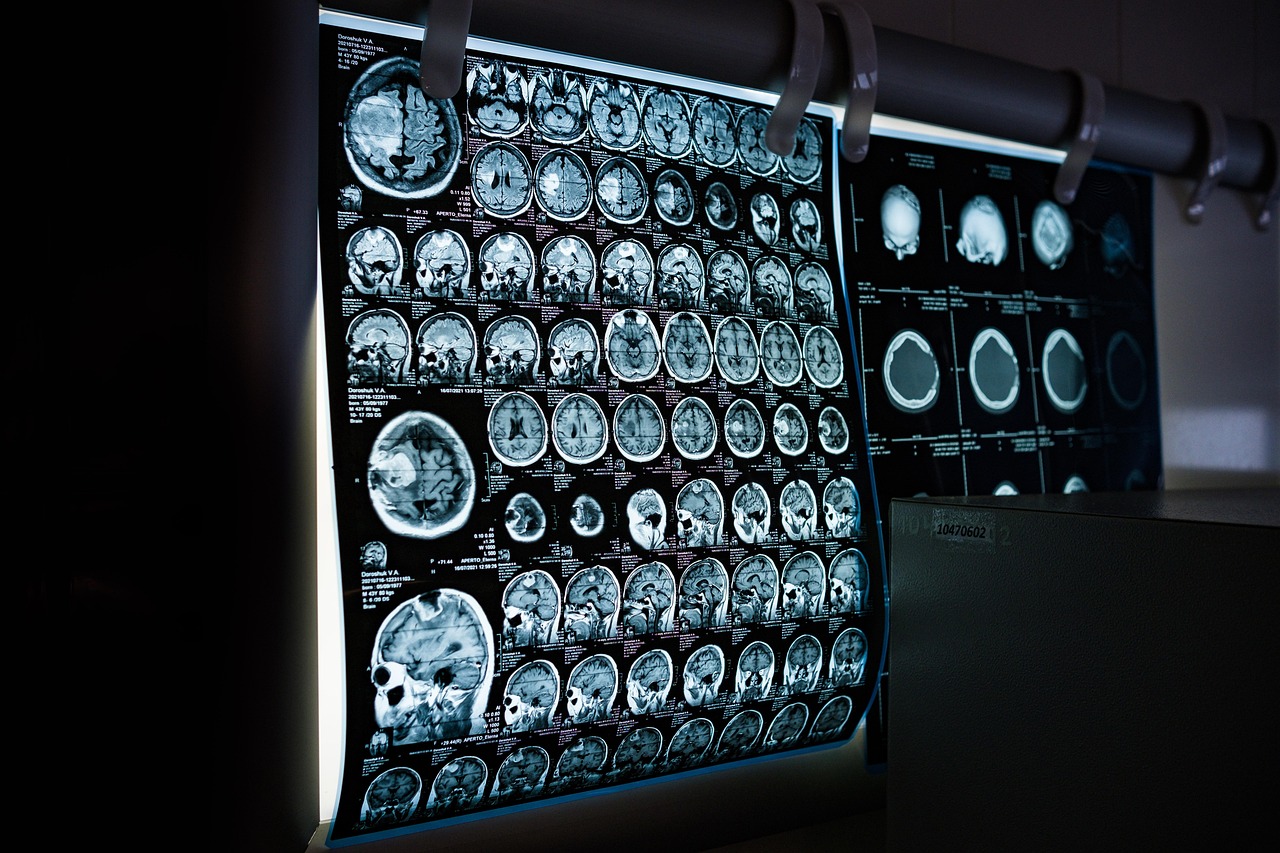
For sarcopenic obesity, the DEXA scan (DEXA scan muscle fat) is often considered the gold standard due to its ability to precisely measure lean mass (muscle) and fat mass, and crucially, their distribution. It can differentiate between visceral fat (which is metabolically more harmful) and subcutaneous fat, and also provides regional muscle mass, such as appendicular lean mass (muscle in the arms and legs), which is a key diagnostic criterion for sarcopenia.
Consider someone who appears “thin” but has low muscle mass and relatively high body fat (a phenomenon sometimes called “skinny fat”). A simple BMI or scale weight would classify them as normal weight, but a DEXA scan would reveal sarcopenic obesity, highlighting their increased health risks. Conversely, a very muscular individual might have a high BMI, but a DEXA scan would clarify that this is due to lean mass, not excess fat, distinguishing them from a truly obese individual. This detailed insight into muscle mass metrics and body fat percentage aging is invaluable for tailoring interventions.
Body Composition (Sarcopenia) in Obese Patients - PMC - NIH
The paradox of “obese sarcopenia” or sarcopenic obesity highlights a critical area of health research and clinical concern. Traditionally, obesity and sarcopenia were seen as distinct conditions. However, it’s increasingly clear that they frequently co-exist, particularly with aging. The National Institutes of Health (NIH) and various research bodies have extensively studied this intersection, emphasizing that obesity can paradoxically accelerate muscle loss and impair muscle function.
The core idea here is that excess adipose tissue (fat) is not merely inert storage; it’s an active endocrine organ that secretes pro-inflammatory cytokines. This chronic low-grade inflammation, often termed “metaflammation,” can directly contribute to muscle protein breakdown and hinder muscle synthesis. Furthermore, the sheer physical burden of carrying excess weight can lead to a more sedentary lifestyle, reducing the mechanical loading necessary to maintain muscle mass. This creates a vicious cycle where obesity promotes sarcopenia, and sarcopenia, by reducing metabolic rate and activity, can exacerbate obesity.
Consider an obese individual who develops type 2 diabetes. Their body’s ability to utilize glucose efficiently is compromised. Muscle tissue is a major site of glucose uptake. When muscle mass declines due to sarcopenia, insulin resistance can worsen, further complicating metabolic health. This illustrates a critical interplay: the fat mass generates inflammatory signals, and the reduced muscle mass diminishes metabolic capacity, creating a heightened risk for a cascade of adverse health outcomes, including cardiovascular disease, mobility impairment, and frailty.
Practical implications for healthcare providers involve moving beyond a sole focus on weight reduction. For obese patients, especially older adults, weight loss strategies must be carefully designed to preserve or increase muscle mass. A calorie-restricted diet without adequate protein or resistance training could lead to disproportionate muscle loss, worsening sarcopenia even as overall weight decreases. This is a crucial trade-off: achieving weight loss while simultaneously improving the healthy body composition. This often requires a multidisciplinary approach involving dietitians, exercise physiologists, and physicians to ensure that interventions address both fat reduction and muscle preservation/gain.
Changes in Body Composition, Muscle Function, and Interventions
Understanding the dynamic changes in body composition, particularly in the context of sarcopenic obesity, is key to developing effective interventions. As individuals age, a natural decline in muscle mass (sarcopenia) often occurs, alongside an increase in fat mass. When these two trends converge, sarcopenic obesity emerges, leading to significant reductions in muscle function. This isn’t just about weaker muscles; it impacts power, endurance, balance, and overall physical performance.
The changes are often subtle at first. A person might notice they can’t lift groceries as easily, or they feel more unstable walking on uneven ground. These are indicators of declining muscle function, even if their body weight hasn’t significantly changed. The fat accumulation, particularly visceral fat, further compounds the problem by promoting inflammation and insulin resistance, which directly impair muscle metabolism and regeneration.
Concrete examples of these changes are evident in gait speed. A healthy older adult typically walks at a certain pace. An individual with sarcopenic obesity might exhibit a slower gait speed, which is a strong predictor of future falls and disability. Their ability to rise from a chair or climb stairs might also be compromised, reflecting both reduced muscle strength and power.
Effective interventions for sarcopenic obesity must address both sides of the equation: reducing fat mass and increasing or preserving muscle mass and function.
- Resistance Training: This is perhaps the most critical intervention for muscle mass and quality. Lifting weights, using resistance bands, or bodyweight exercises stimulate muscle protein synthesis and improve strength. The intensity and progression are vital; muscles need to be challenged to adapt.
- Adequate Protein Intake: Muscle protein turnover requires sufficient dietary protein. For older adults, protein needs are often higher than previously thought to counteract anabolic resistance (where muscles become less responsive to protein signals). Spreading protein intake throughout the day, rather than consuming most of it at one meal, can also be beneficial.
- Calorie Management (Strategic Deficit): To reduce fat mass, a modest and sustainable calorie deficit is necessary. However, this deficit must be carefully managed to prevent excessive muscle loss. Combining it with high protein intake and resistance training is crucial.
- Aerobic Exercise: While not directly building muscle, aerobic exercise (like walking, swimming, cycling) improves cardiovascular health, helps with calorie expenditure for fat loss, and can enhance functional capacity.
The trade-off here is balancing aggressive fat loss with muscle preservation. Rapid, severe calorie restriction can lead to significant muscle loss. A more gradual, sustained approach that prioritizes resistance training and protein intake is generally more effective for improving healthy body composition and long-term functional outcomes. For instance, a person aiming to lose 20 pounds might focus on losing 1-2 pounds per week, ensuring that a significant portion of that loss is fat, supported by a structured strength training program and sufficient protein (e.g., 1.2-1.6 grams of protein per kilogram of body weight per day). This integrated approach is key to reversing the detrimental effects of sarcopenic obesity on muscle function and overall health.
Conclusion
Sarcopenic obesity represents a complex health challenge that extends far beyond a simple number on a scale. It’s a condition where excess body fat coexists with insufficient muscle mass, creating a metabolic environment ripe for chronic disease and functional decline, particularly as we age. Understanding body composition through methods like DEXA scans provides invaluable insights, revealing the critical balance—or imbalance—between fat and muscle that traditional weight measurements overlook.
For individuals contending with this condition, the takeaway is clear: health strategies must be nuanced. Interventions should prioritize the preservation and growth of muscle mass through resistance training and adequate protein intake, alongside targeted efforts to reduce unhealthy fat stores. This integrated approach, rather than a singular focus on weight loss, is essential for improving not just physical functionality and metabolic health, but also for enhancing overall quality of life. Shifting focus to a healthy body composition is a proactive step towards a more resilient and capable future.