Achieving consistent protein intake involves more than simply knowing which foods contain protein. It requires understanding your body’s needs, planning, and integrating protein-rich options into your daily routine in practical ways. This article explores actionable strategies for maintaining adequate protein levels, whether your goal is muscle preservation, satiety, or overall health. We’ll move beyond generic advice to discuss how to make consistent protein intake a sustainable part of your lifestyle.
7 Easy Ways to Up Your Protein Intake
Integrating more protein doesn’t always demand a complete diet overhaul. Often, small, consistent adjustments can make a significant difference. The key is to identify opportunities within your existing eating patterns.
Prioritize Protein at Breakfast: Starting your day with a substantial protein source sets a good foundation. Instead of toast or sugary cereal, consider eggs, Greek yogurt, cottage cheese, or a protein smoothie. For example, two large eggs provide about 12 grams of protein, while a cup of plain Greek yogurt can offer 20-25 grams. This approach helps curb morning hunger and provides a steady release of energy.
Smart Snacking: Many snacks are carbohydrate-heavy. Swapping them for protein-rich alternatives can significantly boost your daily total. Think a handful of almonds, a hard-boiled egg, cheese sticks, edamame, or beef jerky. These options not only contribute protein but also tend to be more filling, potentially reducing overall calorie intake from less nutritious choices.
Boost Your Beverages: Protein shakes and smoothies are obvious choices, but consider adding protein powder to coffee, oatmeal, or even pancake batter. Unflavored collagen peptides can also dissolve easily into hot or cold drinks without altering taste significantly, offering a convenient protein boost.
Layer Protein into Meals: Think about how you can add an extra layer of protein to dishes you already enjoy. Add grilled chicken to a salad, stir lentils into soup, sprinkle nutritional yeast on popcorn, or mix cottage cheese into scrambled eggs. These small additions accumulate over the day.
Choose Protein-Rich Grains and Pastas: While whole grains are beneficial, some offer more protein than others. Opt for quinoa, buckwheat, or whole wheat pasta over white rice or refined pasta when possible. Legume-based pastas (like chickpea or lentil pasta) are another excellent alternative, often boasting significantly higher protein content.
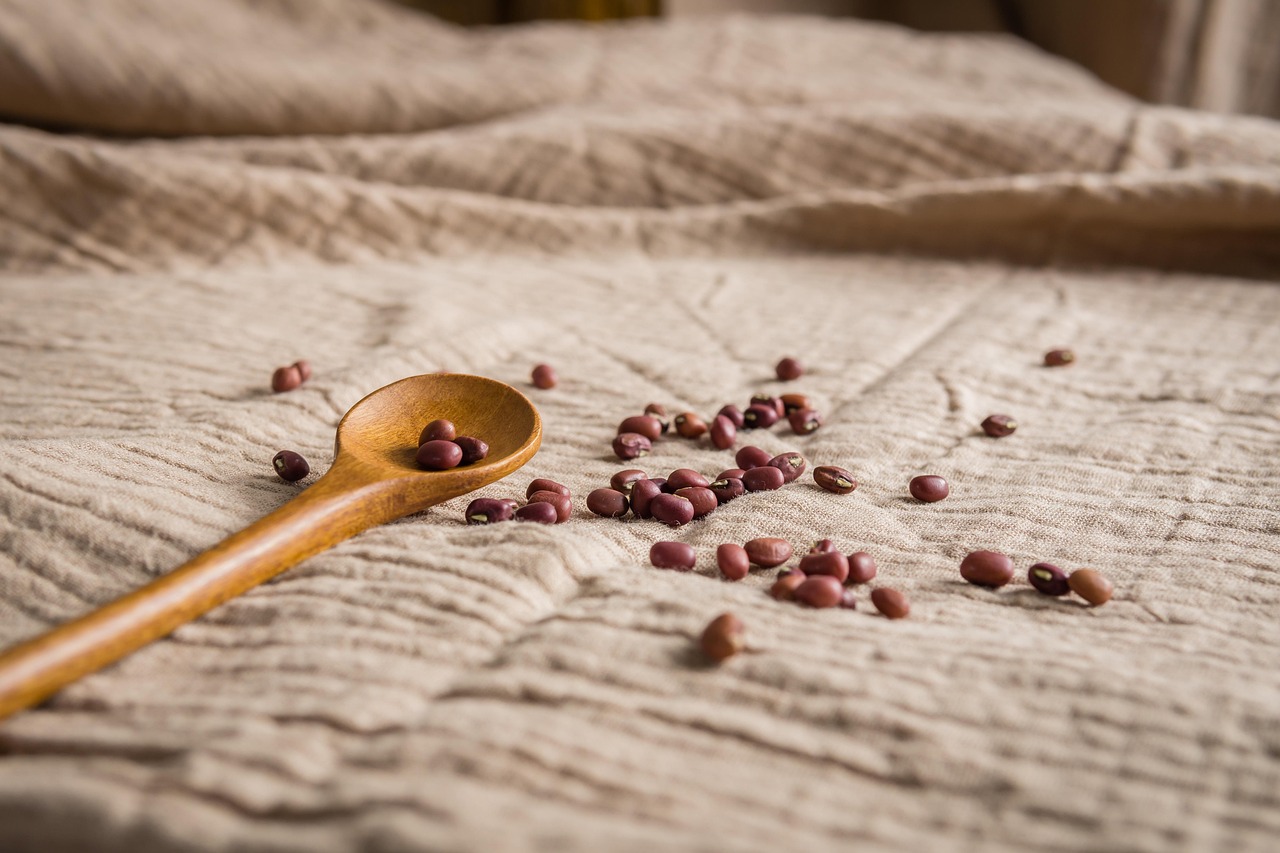
Don’t Forget Legumes: Beans, lentils, and chickpeas are versatile and affordable protein sources. They can be added to salads, soups, stews, or used as a base for vegetarian burgers. A half-cup serving of cooked lentils provides about 9 grams of protein and considerable fiber.
Plan Ahead: Spontaneous eating often leads to less-than-optimal choices. Dedicate some time to meal prep. Cook a batch of chicken breast, hard-boil eggs, or chop vegetables for quick additions to meals. Having protein sources readily available makes consistent intake much easier.
15 Easy Ways to Increase Your Protein Intake
Expanding on the previous section, here are more specific and actionable ideas to weave protein into your daily diet without feeling overwhelmed. The goal is to make these additions feel natural and effortless.
- Greek Yogurt Swap: Replace regular yogurt with Greek yogurt. The difference in protein content is substantial.
- Cottage Cheese Power-Up: Use cottage cheese as a snack, a side dish, or even blended into sauces for creaminess and protein.
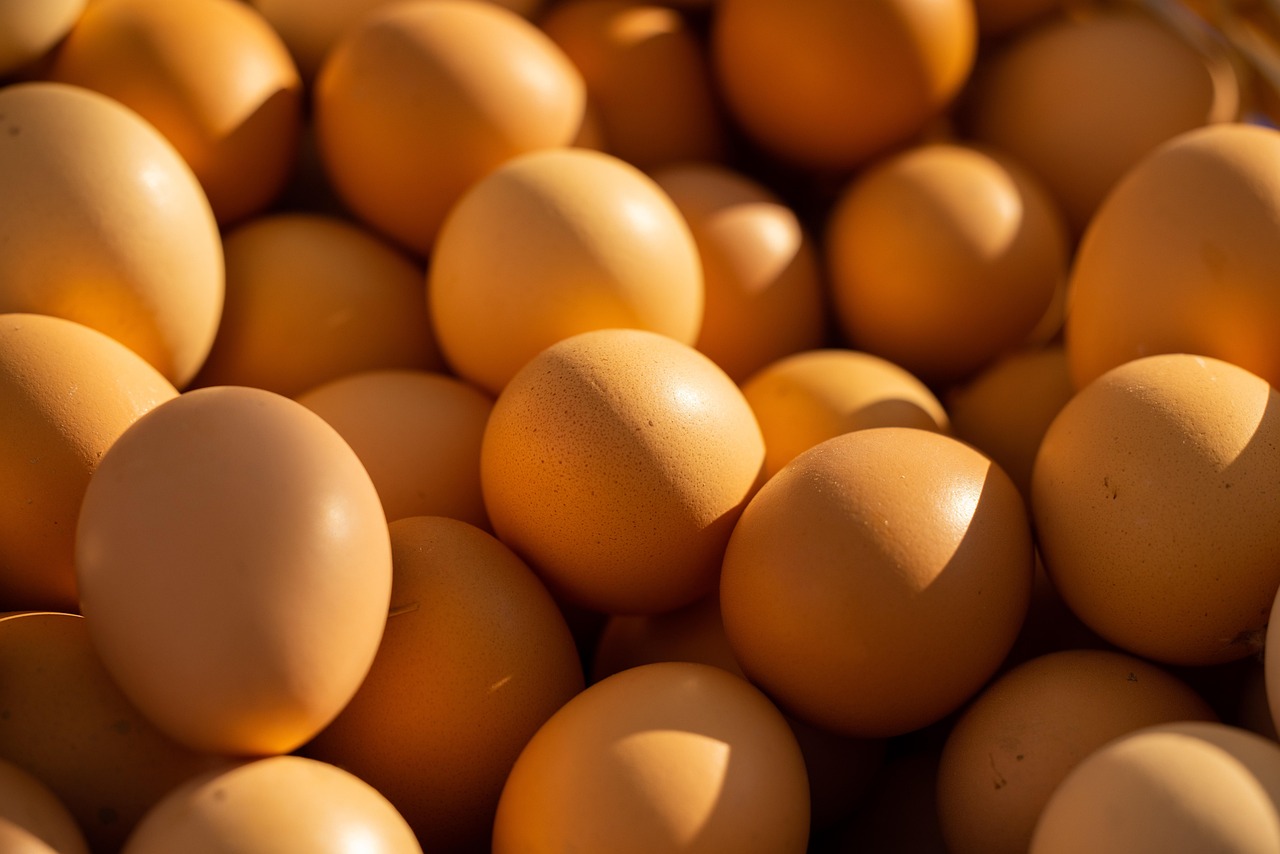
- Egg Every Day: Incorporate eggs into at least one meal. They’re quick, versatile, and complete protein sources.
- Nut and Seed Sprinkles: Add chia seeds, flax seeds, hemp hearts, or chopped nuts to oatmeal, salads, and smoothies.
- Edamame on the Side: Keep frozen edamame pods on hand for a quick, high-protein snack or side dish.
- Tuna or Salmon Pouches: Convenient and ready-to-eat, these are great for quick lunches or snacks.
- Jerky or Biltong: Choose lean, low-sugar varieties for a portable protein source.
- Protein Bars (Wisely Chosen): Not all protein bars are created equal. Look for options with higher protein, lower sugar, and decent fiber.
- Lentils in Everything: Stir cooked lentils into pasta sauce, chili, or even ground meat dishes to extend the protein.
- Cheese, Please: A slice of cheese or a handful of shredded cheese can add protein to sandwiches, salads, or eggs.
- Protein Powder in Baked Goods: Experiment with adding a scoop of unflavored protein powder to muffins, pancakes, or bread recipes.
- Nut Butters: Spread peanut, almond, or cashew butter on fruit, toast, or mix into oatmeal.
- Seafood Twice a Week: Aim for at least two servings of fish or seafood weekly, offering lean protein and healthy fats.
- Quinoa as a Base: Use quinoa as a base for grain bowls instead of rice, boosting both protein and fiber.
- Meat or Poultry with Every Main Meal: Ensure your main meals (lunch and dinner) consistently feature a solid protein source like chicken, beef, fish, or plant-based alternatives.
Protein: What’s Enough?
Determining adequate daily protein intake is not a one-size-fits-all answer. It depends on several factors, including age, activity level, health goals, and body composition. However, general guidelines exist, and understanding them is crucial for setting personal daily protein goals.
The Recommended Dietary Allowance (RDA) for protein is 0.8 grams per kilogram of body weight (g/kg). For an average sedentary adult weighing 70 kg (about 154 lbs), this translates to approximately 56 grams of protein per day. This amount is generally considered the minimum to prevent deficiency, but it may not be optimal for many individuals, especially those with specific goals.
For most active individuals, those aiming for muscle gain or preservation, and older adults, higher intakes are often recommended.
| Goal/Population | Recommended Protein Intake (g/kg body weight) | Example (for 70kg / 154lb individual) | Notes |
|---|---|---|---|
| Sedentary Adult (RDA) | 0.8 g/kg | ~56 grams | Minimum to prevent deficiency. May not be optimal for satiety or muscle health. |
| Active Adults / Athletes | 1.2 - 2.0 g/kg | 84 - 140 grams | Supports muscle repair, growth, and recovery. Higher end for intense training, calorie deficit, or muscle gain. |
| Weight Loss / Calorie Deficit | 1.6 - 2.2 g/kg | 112 - 154 grams | Helps preserve lean muscle mass during weight loss and promotes satiety. |
| Older Adults (65+) | 1.0 - 1.2 g/kg | 70 - 84 grams | Crucial for combating sarcopenia (age-related muscle loss) and maintaining strength and function. Some research suggests even higher may be beneficial. |
| Muscle Gain | 1.6 - 2.2 g/kg | 112 - 154 grams | Provides the necessary building blocks for muscle protein synthesis. Distributing intake throughout the day is often more effective. |
Note: These are general guidelines. Individual needs can vary. Consulting with a healthcare professional or registered dietitian is advisable for personalized recommendations, especially if you have underlying health conditions.
It’s also important to consider the quality of protein. Complete proteins, found in animal products (meat, poultry, fish, eggs, dairy) and some plant sources (soy, quinoa), contain all nine essential amino acids. Plant-based eaters can achieve complete protein intake by combining various sources throughout the day (e.g., rice and beans).
Tips to Increase Your Protein Intake
Beyond specific food choices, adopting certain habits and approaches can significantly improve your chances of consistent protein intake. These tips focus on planning, preparation, and mindful eating.
- Distribute Protein Throughout the Day (Protein Timing for Muscle): Instead of consuming most of your protein in one large meal, aim to spread it out. Studies suggest that consuming 20-40 grams of protein per meal, roughly every 3-4 hours, can optimize muscle protein synthesis, particularly for active individuals. This approach also helps with satiety and steady energy levels.
- Make Protein the Foundation of Your Plate: When planning meals, start with your protein source, then build the rest of the meal around it. This ensures protein isn’t an afterthought. For example, instead of “rice with a side of chicken,” think “chicken with a side of rice and vegetables.”
- Batch Cook Protein Sources: Dedicate time once or twice a week to cook larger quantities of protein. Grill several chicken breasts, bake a tray of salmon, or prepare a big pot of lentils or chili. Having cooked protein ready to go makes quick meals and snacks effortless.
- Read Food Labels: Pay attention to the protein content per serving when grocery shopping. This helps you identify hidden protein sources and make informed choices, especially with packaged foods.
- Keep Protein-Rich Snacks Accessible: Stock your fridge and pantry with easy-to-grab protein options. This reduces the likelihood of reaching for less nutritious alternatives when hunger strikes.
- Prioritize Whole Foods: While protein powders and bars have their place, prioritize whole food sources of protein. They often come with additional beneficial nutrients like fiber, vitamins, and minerals.
- Hydrate Adequately: While not directly protein-related, sufficient water intake supports overall metabolic function and can sometimes be confused with hunger, leading to unnecessary snacking.
- Don’t Fear Fats: Healthy fats (from avocados, nuts, olive oil) can complement protein in promoting satiety and overall nutrient absorption.
International Society of Sports Nutrition Position Stand: Protein for Consistent Protein Intake Strategies
The International Society of Sports Nutrition (ISSN) is a leading authority on sports nutrition. Their position stand on protein and exercise is highly relevant for anyone looking to optimize protein intake for muscle, performance, and body composition. While their recommendations are often geared towards athletes, the underlying principles apply broadly to achieving consistent protein intake for muscle preservation habits and general health.
Key takeaways from the ISSN’s stance, relevant to consistent protein intake strategies:
- Higher Intake for Active Individuals: The ISSN recommends that exercising individuals consume 1.4-2.0 grams of protein per kilogram of body weight per day. This range is significantly higher than the general RDA and is supported by scientific literature for optimizing exercise training adaptations.
- Protein Timing for Muscle: They emphasize distributing protein intake throughout the day, ideally every 3-4 hours, in moderate doses (e.g., 20-40 grams per serving). This approach is believed to maximize muscle protein synthesis. Consuming protein both before and after exercise is also recommended to support recovery and adaptation.
- Importance of Complete Proteins: The ISSN highlights the value of consuming high-quality proteins that contain all essential amino acids. While animal proteins are naturally complete, plant-based athletes can meet their needs by consuming a variety of plant protein sources.
- Protein for Weight Management: For individuals in a calorie deficit aiming for weight loss, higher protein intake (often at the upper end of the 1.4-2.0 g/kg range) is crucial. This helps preserve lean muscle mass, which is often at risk during periods of calorie restriction, and also contributes to greater satiety.
- Protein Safety: The ISSN concludes that chronic high protein intake (up to 3.4 g/kg/day) is safe for healthy, physically active individuals. Concerns about kidney damage in healthy individuals are largely unfounded, though those with pre-existing kidney conditions should consult a physician.
- Supplementation as a Tool: While whole foods should be the primary source of protein, supplements like whey, casein, or plant-based protein powders can be convenient and effective tools to meet daily protein goals, especially around training or when whole food options are not readily available.
In essence, the ISSN’s position reinforces that a more proactive and strategic approach to protein intake, including higher daily amounts and thoughtful distribution, is beneficial for most active adults and those with specific body composition goals.
High-Protein Foods: The Best Protein Sources to Include in a Diet
Understanding what to eat is fundamental to consistent protein intake. Focusing on nutrient-dense, high-protein foods helps meet your daily protein goals without excessive calories or unwanted additives. Here’s a look at excellent protein sources, categorized for clarity.
Animal-Based Proteins (Complete Proteins)
| Food Source | Typical Protein Content (per 100g cooked/prepared) | Notes |
|---|---|---|
| Chicken Breast (skinless) | 31g | Lean, versatile, and widely available. Excellent for grilling, baking, or shredding into salads. |
| Turkey Breast | 29g | Similar to chicken breast, often slightly leaner. Ground turkey is a good alternative to ground beef. |
| Lean Beef (e.g., sirloin) | 26g | Provides iron and B vitamins. Choose leaner cuts to manage saturated fat intake. |
| Salmon | 22g | Rich in omega-3 fatty acids in addition to high-quality protein. Other fatty fish like mackerel and sardines are also great. |
| Tuna (canned in water) | 25g | Convenient and affordable. Good for sandwiches, salads, or mixed with cottage cheese. |
| Eggs (large) | 13g (per 2 eggs) | Highly bioavailable protein, contains all essential amino acids. Versatile for breakfast, lunch, or snacks. |
| Greek Yogurt (plain, non-fat) | 10g (per 100g, or ~20-25g per cup) | Excellent source of probiotics, calcium, and protein. Use in smoothies, as a snack, or as a sour cream substitute. |
| Cottage Cheese | 11g (per 100g) | Slow-digesting casein protein, good for satiety. Can be eaten plain, with fruit, or blended into recipes. |
| Milk (cow’s, 2%) | 3.3g | Contains both whey and casein protein. |
Plant-Based Proteins (Often Need Complementary Sources)
| Food Source | Typical Protein Content (per 100g cooked/prepared) | Notes |
|---|---|---|
| Lentils | 9g | Versatile, affordable, and high in fiber. Excellent in soups, stews, salads, or as a meat substitute. |
| Black Beans | 9g | Good source of fiber and iron. Great in tacos, burritos, salads, or as a side dish. |
| Chickpeas (Garbanzo Beans) | 9g | Used in hummus, curries, roasted as a snack, or added to salads. |
| Tofu (firm) | 10g | Soy-based, complete protein. Absorbs flavors well, suitable for stir-fries, grilling, or baking. |
| Tempeh | 19g | Fermented soybean product with a firmer texture than tofu. Nutty flavor, great for grilling or crumbling into dishes. |
| Edamame | 11g | Whole, immature soybeans. Excellent snack, side dish, or addition to salads. |
| Quinoa (cooked) | 4g | A complete protein grain. Use as a side dish, in salads, or as a base for bowls. |
| Almonds | 21g | Healthy fats, fiber, and protein. Great snack, or added to oatmeal and salads. Other nuts (walnuts, pistachios) are also good. |
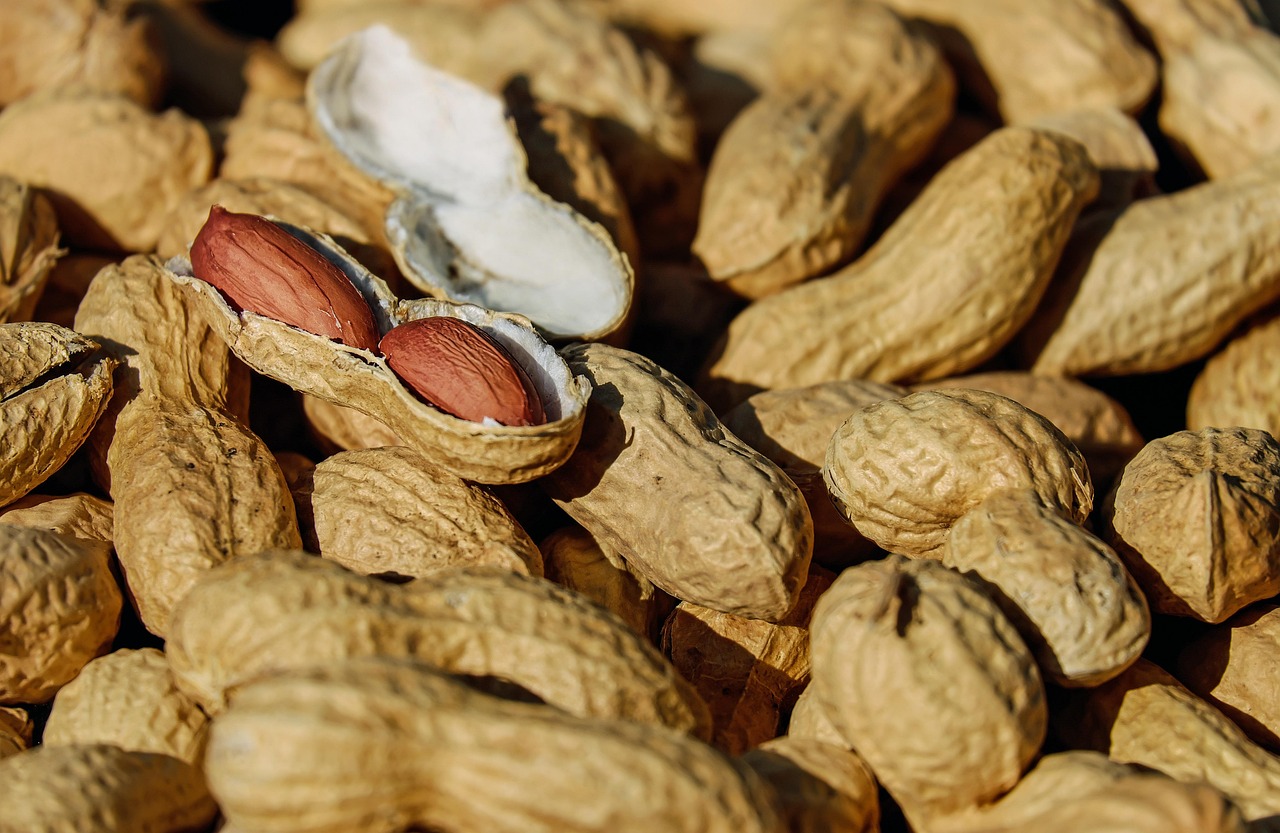
| Peanut Butter | 25g | A classic, but choose natural varieties with minimal added sugar. |
| Hemp Seeds | 31g | Nutrient-dense, complete protein. Sprinkle on yogurt, smoothies, salads, or oatmeal. |
| Chia Seeds | 17g | High in fiber, omega-3s, and protein. Great for puddings, smoothies, or as an egg substitute in baking. |
| Nutritional Yeast | 45g (per 100g, but typically consumed in smaller amounts) | Cheesy flavor, often fortified with B vitamins. Sprinkle on pasta, popcorn, or eggs. |
Note: Protein content can vary slightly based on brand, preparation method, and specific variety.
When planning your meals, aim for a variety of these sources to ensure you’re getting a broad spectrum of nutrients and to prevent dietary boredom. Combining different plant proteins throughout the day (e.g., beans and rice, hummus and whole-wheat pita) can ensure you consume all essential amino acids.
Conclusion
Achieving consistent protein intake is a practical, achievable goal that offers numerous benefits for muscle preservation, satiety, and overall health. It moves beyond simply knowing what protein is and delves into how to integrate it effectively into your daily life. By setting realistic daily protein goals, distributing intake throughout the day, prioritizing protein in meals and snacks, and choosing high-quality sources, you can build sustainable habits. Remember, consistency outweighs perfection, and small, deliberate changes can lead to significant long-term success in meeting your protein needs.