
For adults navigating the midlife years and beyond, the prospect of maintaining or rebuilding muscle can be appealing. Declining muscle mass, strength, and overall vitality are common concerns, leading many to explore options like “muscle boosters.” But what exactly are these products, and more importantly, are muscle boosters safe for adults 40 and over? The short answer is complex: it depends entirely on what’s in the bottle, your individual health, and your expectations. This guide aims to cut through the marketing hype and provide clear, actionable information so you can make informed decisions about natural muscle enhancers and supplement safety for seniors.
Muscle Building After 40
The physiological landscape changes as we age. After 40, several factors influence muscle growth and retention. Hormonal shifts, particularly a gradual decline in testosterone and growth hormone, can make building and maintaining muscle more challenging. This doesn’t mean it’s impossible; it simply means the process may require more deliberate effort and a smarter approach than in younger years.
Sarcopenia, the age-related loss of muscle mass and strength, typically begins around age 30 and accelerates after 50. This loss isn’t just about aesthetics; it impacts metabolism, bone density, balance, and overall quality of life. Resistance training becomes even more crucial in these decades, acting as a powerful countermeasure.
When considering “muscle boosters” in this context, it’s vital to recognize that no supplement can fully replace the fundamental principles of muscle building: consistent resistance exercise, adequate protein intake, sufficient sleep, and proper recovery. A supplement’s role, if any, is to support these foundational elements, not to substitute them. The safety of these products for someone over 40 often hinges on how they interact with existing health conditions or medications, which become more prevalent with age.
5 Tips for Building Muscle After 40 (And Mistakes to Avoid)
Building muscle effectively and safely after 40 involves strategic planning and a realistic outlook. Here are five key tips and common pitfalls to sidestep:
Prioritize Progressive Overload: The core principle of muscle growth remains the same: you must continually challenge your muscles. This means gradually increasing the weight, repetitions, or sets over time. Don’t fall into the trap of doing the same routine week after week without progression.
- Mistake to Avoid: Sticking to light weights out of fear of injury. While proper form is paramount, muscles need a significant stimulus to grow.
Focus on Compound Movements: Exercises like squats, deadlifts, presses (bench and overhead), and rows engage multiple muscle groups simultaneously, leading to greater hormonal response and overall strength gains. These are more efficient than isolating individual muscles.
- Mistake to Avoid: Spending too much time on isolation exercises (e.g., biceps curls, triceps extensions) at the expense of compound lifts.
Optimize Protein Intake: Protein is the building block of muscle. Aim for roughly 0.7 to 1 gram of protein per pound of body weight daily, distributed throughout your meals. This supports muscle protein synthesis.
- Mistake to Avoid: Underestimating protein needs or relying solely on supplements without addressing whole food intake.
Embrace Recovery: As you age, recovery becomes even more critical. This includes adequate sleep (7-9 hours), active recovery (light movement, stretching), and managing stress. Overtraining can lead to injury and hinder progress.
- Mistake to Avoid: Training too frequently or intensely without sufficient rest, leading to burnout or injury. Listen to your body.
Listen to Your Body and Adapt: Joint health, flexibility, and recovery capacity can change. Be willing to modify exercises, adjust intensity, or take extra rest days as needed. Don’t push through persistent pain.
- Mistake to Avoid: Trying to train like you did in your 20s or ignoring persistent aches and pains, which can lead to more serious injuries.
Bodybuilding Over 40 – Is it Safe for Your Health?
The term “bodybuilding” can conjure images of extreme diets and intense training, often associated with younger athletes. However, “bodybuilding over 40” can simply refer to a dedicated approach to resistance training with the goal of increasing muscle mass and improving body composition. When approached intelligently, it can be very safe and immensely beneficial for health.
The key to safety lies in moderation, proper form, and a proactive relationship with your healthcare provider. For adults over 40, building muscle can:
- Improve Bone Density: Resistance training places stress on bones, stimulating mineral deposition and strengthening them, which helps combat osteoporosis.
- Enhance Metabolic Health: More muscle mass means a higher resting metabolism, better blood sugar control, and improved insulin sensitivity, reducing the risk of type 2 diabetes.
- Boost Functional Strength: Everyday tasks become easier, reducing the risk of falls and improving overall independence.
- Support Mental Health: Exercise, including weight training, is a proven mood enhancer and stress reducer.
However, risks increase if individuals over 40 attempt to mimic the training or supplement regimens of younger, professional bodybuilders without proper guidance. High-impact exercises, excessive volume, or the use of performance-enhancing drugs without medical supervision can lead to injuries, cardiovascular strain, or hormonal imbalances. The goal should be sustainable, healthy gains, not necessarily competitive extremes.
Common Medications that Lifters Over 40 Take, and How They Interact with Supplements
As we age, it’s more common to be taking one or more prescription medications for various health conditions. This is a critical factor when considering any “muscle booster” or supplement. Interactions between supplements and medications can range from reducing the efficacy of a drug to causing dangerous side effects.
Here’s a non-exhaustive list of common medication categories and potential concerns:
| Medication Category | Examples | Potential Supplement Interactions (General) |
|---|---|---|
| Blood Thinners | Warfarin (Coumadin), Apixaban (Eliquis) | Supplements that can thin blood (e.g., fish oil in high doses, garlic, ginkgo, high-dose Vitamin E) |
| Blood Pressure Medications | ACE inhibitors, Beta-blockers, Diuretics | Stimulants (e.g., high-dose caffeine, pre-workouts), certain herbal supplements (e.g., yohimbe, bitter orange) |
| Diabetes Medications | Metformin, Insulin | Supplements that affect blood sugar (e.g., alpha-lipoic acid, chromium, fenugreek) |
| Statins (Cholesterol) | Atorvastatin (Lipitor), Rosuvastatin (Crestor) | Red yeast rice (contains statins), grapefruit juice (can increase statin levels) |
| Thyroid Medications | Levothyroxine (Synthroid) | Calcium, iron, fiber supplements (can reduce absorption if taken too close together) |
| Antidepressants/Anxiety | SSRIs, SNRIs | St. John’s Wort (can cause serotonin syndrome), stimulants |
Crucial Point: This table is for informational purposes only and does not replace professional medical advice. Always discuss all supplements, even seemingly innocuous ones, with your doctor or pharmacist. They can assess specific risks based on your health history and current medications. Many “muscle boosters” contain proprietary blends, making it difficult to know the exact dosage of each ingredient, further complicating potential interactions.
Building Muscle After 40
Let’s reiterate the core principles for building muscle effectively after 40, independent of supplement use. These are the aspects that truly drive results and health benefits:
- Resistance Training: This is non-negotiable. Aim for 2-4 sessions per week, targeting all major muscle groups. Focus on compound movements and progressive overload.
- Adequate Protein Intake: As discussed, consuming enough protein is fundamental for muscle repair and growth. Spread your protein intake throughout the day.
- Balanced Nutrition: Beyond protein, ensure you’re getting enough complex carbohydrates for energy, healthy fats for hormone production, and a wide array of vitamins and minerals from whole foods.
- Sufficient Sleep: Muscle repair and hormone regulation primarily occur during sleep. Prioritize 7-9 hours of quality sleep per night.
- Stress Management: Chronic stress elevates cortisol, a hormone that can hinder muscle growth and promote fat storage. Find effective coping mechanisms.
- Hydration: Water is essential for every bodily function, including nutrient transport and muscle performance.
While supplements might offer marginal benefits, their impact is dwarfed by consistent adherence to these lifestyle factors. Think of it this way: supplements are like the icing on a cake; without the cake itself (proper training, nutrition, and recovery), the icing is largely meaningless.
Should You Take Fitness Supplements After 40?
This is the central question for many. The landscape of “muscle boosters” is vast and often unregulated. Many products make grand claims without scientific backing, and some contain undisclosed or even harmful ingredients.
Instead of asking “should I take a muscle booster?”, a more productive question is “are there any specific nutritional gaps or performance needs that a well-researched and evidence-backed supplement might address, after I’ve optimized my diet and training?”
Here’s a breakdown of common categories and considerations for adults 40+:
1. Protein Supplements (Whey, Casein, Plant-Based)
- Purpose: To conveniently increase protein intake, especially if dietary sources are insufficient or difficult to consume.
- Safety for 40+: Generally safe for most healthy individuals. If you have kidney disease, consult your doctor. Choose products with minimal added sugars and artificial ingredients.
- Efficacy: Highly effective for meeting protein needs when whole foods aren’t practical.
2. Creatine Monohydrate
- Purpose: Helps muscles produce energy during high-intensity, short-duration activities (like weightlifting). Can lead to increased strength and muscle mass.
- Safety for 40+: One of the most researched and generally safe supplements. Some may experience mild gastrointestinal upset or water retention. Historically, concerns about kidney damage have largely been disproven in healthy individuals, but those with pre-existing kidney conditions should consult a doctor.
- Efficacy: Well-supported by research for improving strength and muscle mass.
3. Vitamin D and Calcium
- Purpose: Crucial for bone health, which becomes increasingly important with age. Vitamin D also plays a role in muscle function and immune health.
- Safety for 40+: Generally safe. Over-supplementation of Vitamin D can lead to toxicity, so blood tests to determine levels are recommended. Calcium supplements should be taken with caution; too much can have cardiovascular implications. Prioritize dietary sources.
- Efficacy: Essential for overall health and indirectly supports muscle and skeletal integrity.
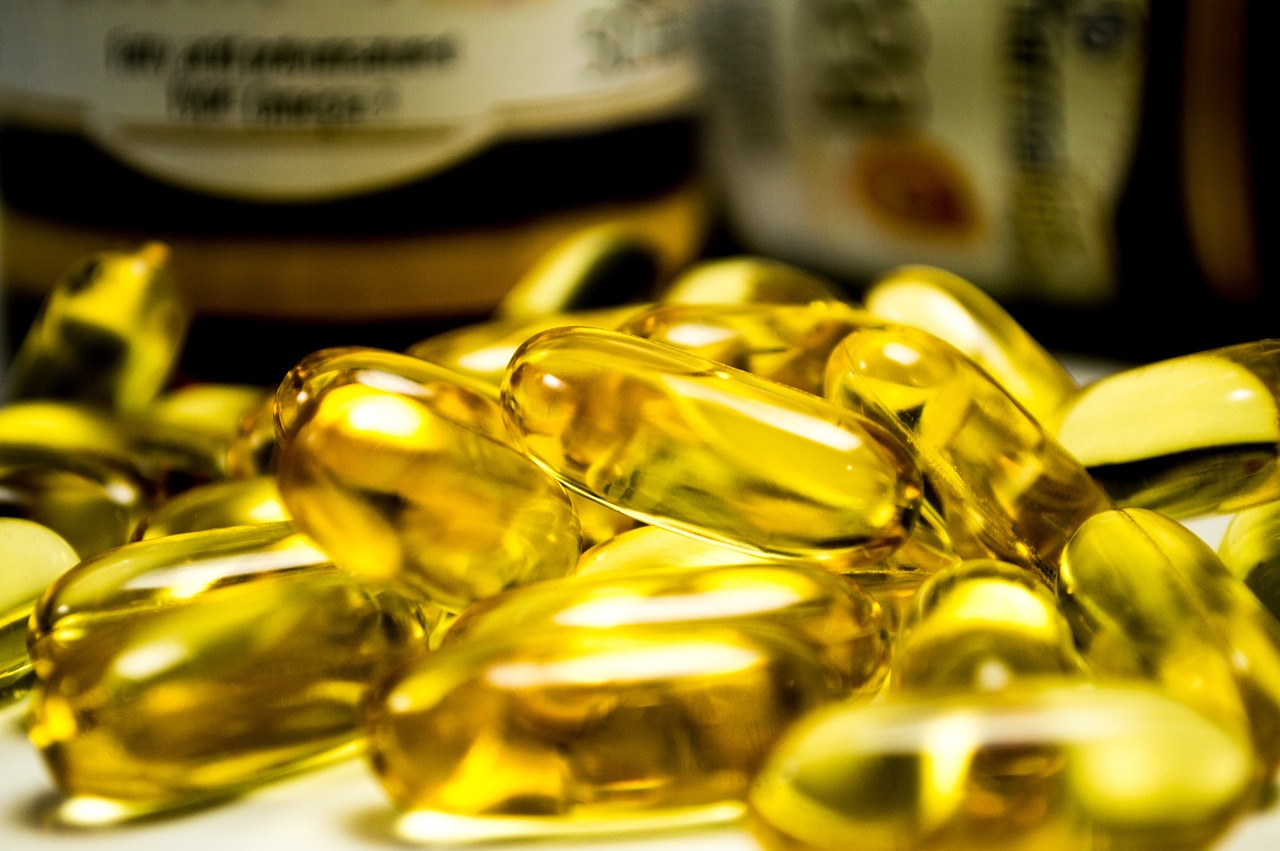
4. Omega-3 Fatty Acids (Fish Oil)
- Purpose: Anti-inflammatory properties, beneficial for joint health, cardiovascular health, and potentially muscle recovery. A more grounded way to view this0+:** Generally safe. Can have a mild blood-thinning effect, so caution is advised if on blood thinners or before surgery.
- Efficacy: Supports overall health and recovery, but not a direct “muscle builder.”
5. “Testosterone Boosters”
- Purpose: Marketed to naturally increase testosterone levels, which decline with age. Often contain ingredients like D-aspartic acid, fenugreek, zinc, magnesium.
- Safety for 40+: Often questionable. Many lack robust scientific evidence for significant testosterone elevation in healthy individuals. Some ingredients may interact with medications. It’s crucial to distinguish these from actual testosterone replacement therapy (TRT), which is a medical treatment requiring careful supervision. If you suspect low testosterone, consult an endocrinologist. Self-medicating with “boosters” can be ineffective or harmful.
- Efficacy: Generally low, especially for significant, measurable increases in testosterone.
6. Branched-Chain Amino Acids (BCAAs)
- Purpose: Thought to reduce muscle breakdown and improve recovery. A more grounded way to view this0+:** Generally safe.
- Efficacy: Most research suggests that if you’re consuming enough protein from whole foods or protein powder, additional BCAA supplementation offers little extra benefit.
Key Takeaway: Before considering any supplement, ask yourself:
- Is my diet optimized for muscle growth and overall health?
- Am I consistently engaging in effective resistance training?
- Am I getting enough sleep and managing stress?
- Have I discussed this supplement with my doctor, especially considering my medications and health conditions?
Opt for third-party tested products (e.g., NSF Certified for Sport, Informed-Sport) to minimize the risk of contamination or undisclosed ingredients.
FAQ
Is Muscle Booster trustworthy? “Muscle Booster” is often the name of a fitness app, not a specific supplement. If you’re referring to a particular supplement product, its trustworthiness depends entirely on the manufacturer, its ingredient list, and third-party certifications. Many products marketed as “muscle boosters” lack robust scientific evidence and may contain questionable ingredients. Always research specific products and consult with a healthcare professional.
Is it hard to build muscle at 40 years old? It’s generally harder to build muscle at 40 compared to your 20s due to natural age-related changes in hormones and metabolism. However, it is absolutely not impossible. With consistent, progressive resistance training, adequate protein intake, sufficient rest, and smart recovery, adults over 40 can build significant muscle mass and strength. The process may be slower, but the benefits are profound.
What supplements should I take to build muscle in my 40s? The most evidence-backed supplements for muscle building, after optimizing diet and training, are protein powder (if dietary protein is insufficient) and creatine monohydrate. Other supplements like Vitamin D, Omega-3s, and magnesium can support overall health and indirectly aid muscle function and recovery. Always discuss any supplement plan with your doctor, especially if you have underlying health conditions or take medications.
Conclusion
For adults over 40 looking to build muscle, the foundation remains consistent: smart resistance training, adequate protein, proper nutrition, and sufficient rest. “Muscle boosters” are a broad category, and their safety and efficacy vary wildly. While some, like protein powder and creatine, are well-researched and generally safe for healthy individuals, others are unproven, potentially harmful, or interact negatively with medications. Your best approach is to prioritize foundational health habits, consult with your doctor before adding any supplement to your regimen, and be critically discerning of marketing claims. Sustainable muscle gain in your 40s and beyond is achievable, but it’s built on science and consistency, not quick fixes.