Strength training, often associated with building muscle and athletic performance, offers significant benefits for individuals managing chronic conditions. Far from being an activity reserved for the perfectly healthy, carefully adapted resistance exercise can improve symptoms, enhance functional independence, and boost overall quality of life. The key lies in understanding how to modify traditional approaches to suit individual needs and limitations, transforming potential challenges into tangible gains. This article explores how to integrate strength training safely and effectively into a life with chronic conditions.
Strength Training as a Proactive Measure Against Chronic Disease
Regular physical activity, including strength training, plays a crucial role in both preventing and managing numerous chronic diseases. For many, the idea of “warding off” chronic disease might seem like a passive concept, but strength training provides an active, tangible way to build resilience within the body.
Consider the example of type 2 diabetes. Strength training improves insulin sensitivity, meaning the body’s cells become more responsive to insulin. This helps regulate blood sugar levels more effectively, reducing the need for medication in some cases or simply making the condition more manageable. For someone with prediabetes, it can delay or even prevent the onset of full-blown diabetes. The practical implication here is that consistent muscle engagement helps the body utilize glucose more efficiently, regardless of medication.
Another example is osteoporosis, a condition characterized by weak and brittle bones. Weight-bearing and resistance exercises stimulate bone formation, increasing bone density and reducing the risk of fractures. This isn’t about lifting maximal weights; even moderate resistance, like bodyweight exercises or light dumbbells, can provide the necessary stimulus. The trade-off might be slower progress compared to someone without osteoporosis, but the long-term benefit of reduced fracture risk is substantial. Edge cases might include individuals with severe osteoporosis who need to avoid high-impact movements or twisting motions, requiring highly supervised, controlled exercises.
For individuals with cardiovascular conditions, strength training can improve heart function, lower blood pressure, and reduce LDL (bad) cholesterol while increasing HDL (good) cholesterol. It’s not a replacement for aerobic exercise, but a complementary component. The practical implication is a strengthening of the entire circulatory system, making everyday tasks less taxing on the heart. However, individuals with uncontrolled high blood pressure or recent cardiac events would need medical clearance and a highly individualized program, often starting with very low intensity and gradually progressing.
Exercising With Chronic Conditions: Guidance from the National Institute on Aging
The National Institute on Aging (NIA) emphasizes that exercise, including strength training, is not just safe but essential for older adults and those with chronic conditions. Their guidance often centers on the principle of “start low, go slow,” encouraging a gradual approach to physical activity.
For someone managing arthritis, the thought of strength training might initially bring concerns about joint pain. However, the NIA’s perspective highlights that strengthening the muscles around affected joints can actually provide better support and reduce pain. For instance, quadriceps strengthening can significantly alleviate knee pain in individuals with osteoarthritis. The practical implication is that avoiding exercise due to pain can lead to a vicious cycle of weakening muscles and increased joint instability. Instead, exercises should be modified to avoid aggravating the joint. This might mean performing exercises in a seated position, using resistance bands instead of free weights, or reducing the range of motion. A trade-off could be slower muscle growth, but the primary goal shifts from hypertrophy to pain reduction and functional improvement.
Similarly, for individuals with Parkinson’s disease, strength training can help maintain muscle mass, improve balance, and reduce the risk of falls. The NIA’s recommendations would likely suggest exercises that focus on core stability and multi-joint movements, adapted to account for tremors or rigidity. For example, instead of standing squats, a person might perform seated chair stands, gradually increasing repetitions as tolerated. The edge case here would be ensuring exercises are performed in a safe environment, perhaps with a spotter or against a wall, to prevent falls.
The NIA’s guidance consistently stresses the importance of listening to one’s body and consulting healthcare professionals before starting any new exercise program. This isn’t just a disclaimer; it’s a fundamental principle for safe and effective adaptation, ensuring that the exercise plan aligns with the specific nuances of a chronic condition.
The Role of Strength Training in Managing Chronic Conditions
Beyond prevention, strength training plays a direct and active role in managing the day-to-day realities of living with chronic conditions. It’s not just about preventing decline; it’s about improving current function and quality of life.
Consider fibromyalgia, a condition characterized by widespread pain, fatigue, and tenderness. While high-intensity exercise might exacerbate symptoms, gentle resistance training can actually help. The practical implication is that strengthening muscles can improve endurance and reduce the perceived effort of daily tasks, indirectly lessening fatigue. A concrete example would be starting with very light resistance bands for exercises like bicep curls or triceps extensions, focusing on numerous repetitions with minimal load. The trade-off is often a need for very careful monitoring of post-exercise pain and fatigue, with rest days being as important as workout days. Edge cases might involve individuals with severe flares needing to pause training entirely and reintroduce it very gradually.
For individuals with multiple sclerosis (MS), strength training can combat muscle weakness and spasticity often associated with the condition. It helps maintain mobility and independence. For instance, exercises like seated leg presses or wall push-ups, performed with controlled movements, can strengthen critical muscle groups without overfatiguing the individual. The practical implication is that by preserving muscle strength, individuals with MS can continue to perform activities of daily living more easily. A key trade-off is the need to adjust for unpredictable fatigue or fluctuations in symptoms, sometimes requiring shorter, more frequent sessions rather than long, intense ones.
Benefits of Adapted Strength Training Across Conditions:
| Benefit Category | Impact on Chronic Conditions | Example |
|---|---|---|
| Physical Function | Improves mobility, balance, stability | Reduced fall risk in osteoporosis, easier walking in MS |
| Pain Management | Supports joints, reduces inflammation, improves posture | Decreased knee pain in arthritis, less back pain in fibromyalgia |
| Metabolic Health | Regulates blood sugar, improves cholesterol, aids weight management | Better glucose control in diabetes, reduced cardiovascular risk |
| Mental Well-being | Reduces anxiety, depression, boosts self-efficacy | Improved mood in depression, greater confidence in daily tasks |
| Energy Levels | Enhances endurance, reduces fatigue | Increased capacity for daily activities in chronic fatigue syndrome |
The overall role of strength training is to create a more robust and resilient body, making it better equipped to handle the demands of the chronic condition and everyday life.
Resistance Exercise Training in Individuals With and Without Comorbidities
The principles of resistance exercise training remain consistent whether an individual has one chronic condition or several (comorbidities). However, the presence of comorbidities necessitates an even more meticulous approach to adaptation.
When an individual presents with both diabetes and arthritis, for example, the exercise plan must address both concerns simultaneously. For diabetes, the goal is improved insulin sensitivity and glucose uptake. For arthritis, it’s joint support and pain management. The practical implication is choosing exercises that are effective for muscle strengthening but are also low-impact and joint-friendly. For instance, instead of traditional lunges, which might put stress on arthritic knees, a person could perform seated leg extensions or use a leg press machine, which provides controlled resistance.
Another scenario involves sarcopenia (age-related muscle loss) alongside a cardiovascular condition. Here, the aim is to rebuild and maintain muscle mass while being mindful of heart rate and blood pressure responses. The practical implication is that exercises should be performed at a moderate intensity, avoiding breath-holding (Valsalva maneuver) which can spike blood pressure. Short rest periods between sets might be necessary, and monitoring heart rate during exercise becomes crucial. An example would be performing chest presses with light dumbbells or resistance bands, focusing on controlled movements and steady breathing. The trade-off is that muscle gain might be slower than in a younger, healthy individual, but the primary goal is functional strength preservation and cardiovascular safety.
When multiple conditions are present, communication with all involved healthcare providers (e.g., endocrinologist, rheumatologist, cardiologist) is paramount. This ensures that the exercise prescription doesn’t inadvertently worsen one condition while trying to improve another. The edge case here is when conditions have conflicting exercise recommendations, requiring a highly skilled professional to navigate the best compromise. For instance, a condition that benefits from high-intensity interval training might conflict with another that requires very low-impact, steady-state exercise. In such cases, the priority shifts to safety and managing the most acute or risky condition.
Adapting Workouts for People with Chronic Conditions
Adapting workouts for chronic conditions is not about completely reinventing exercise, but rather about thoughtful modification. The core principles of progressive overload (gradually increasing challenge) still apply, but the rate and method of progression change significantly.
Here’s a breakdown of key adaptation strategies:
1. Start with Assessment and Medical Clearance
Before beginning any strength training program, especially with chronic conditions, a thorough medical evaluation is essential. A doctor can provide clearance and highlight specific limitations or contraindications. A physical therapist or exercise physiologist experienced in chronic conditions can then conduct a functional assessment to identify areas of weakness, imbalance, or pain.
2. Prioritize Form Over Weight
Poor form significantly increases the risk of injury, which can be particularly detrimental for someone with a chronic condition. Focus on executing movements correctly, even if it means using very light or no external resistance initially. For example, when performing a squat, ensure the knees track over the toes and the back remains neutral, using a chair for support if needed, rather than trying to lift a heavy barbell.
3. Modify Intensity, Volume, and Frequency
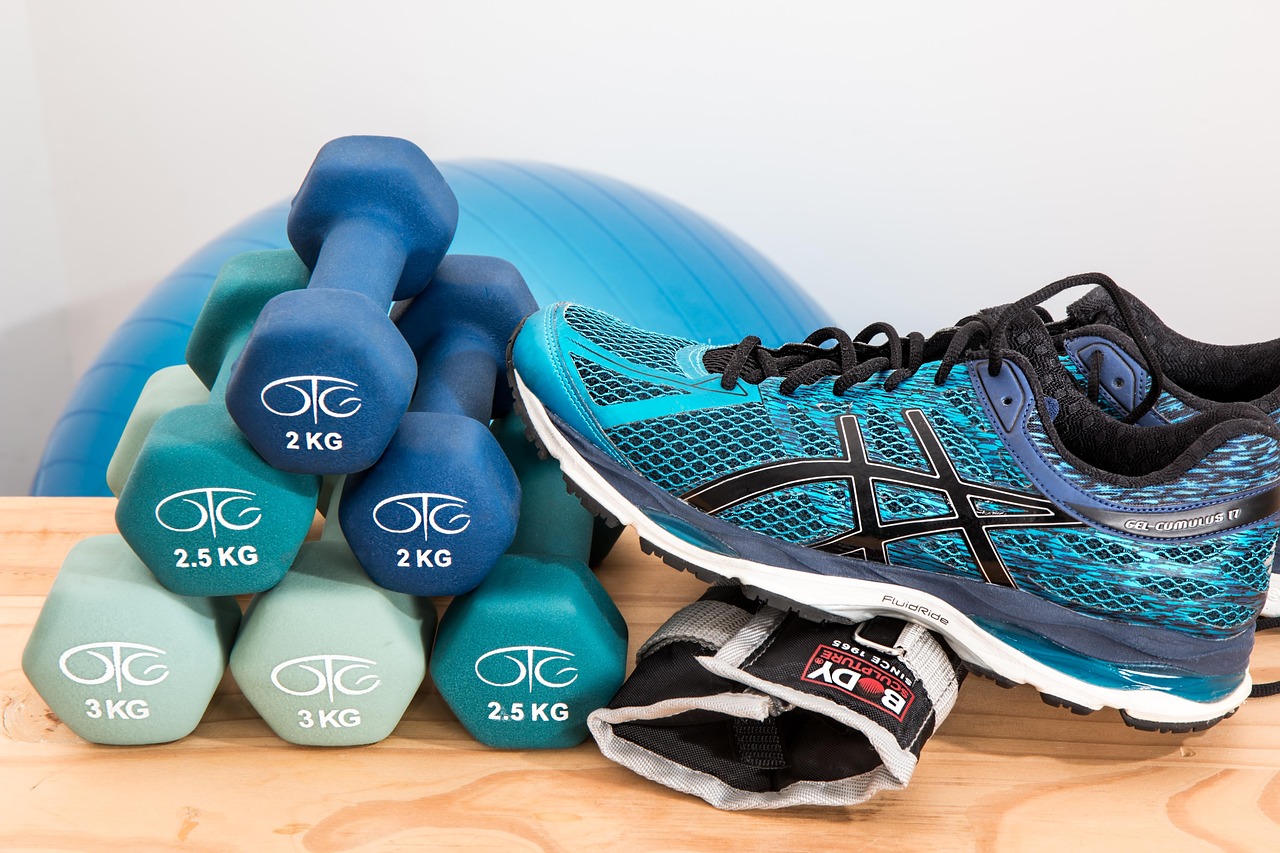
- Intensity: This refers to how hard you’re working. For many with chronic conditions, starting with very light resistance (e.g., resistance bands, bodyweight, light dumbbells) and a higher number of repetitions is safer and more effective than heavy lifting. The goal is to feel the muscles working, but not to the point of severe pain or extreme fatigue.
- Volume: This is the total amount of work (sets x reps). Shorter, more frequent sessions might be better tolerated than one long, intense workout. For example, two sets of 10-15 repetitions per exercise, performed 2-3 times per week, might be a good starting point.
- Frequency: How often you train. Adequate rest and recovery are crucial, especially for conditions involving inflammation or fatigue. Some might benefit from daily short sessions, while others need a full day or two between workouts.
4. Choose Appropriate Exercises
- Low-Impact: Opt for exercises that minimize stress on joints, such as seated exercises, water aerobics with resistance, or machine-based weights.
- Functional Movements: Focus on exercises that mimic daily activities, like standing up from a chair (squats), lifting objects (deadlifts with light weights or resistance bands), or reaching overhead. This directly translates to improved independence.
- Unilateral Exercises: Single-limb exercises (e.g., single-leg balance, alternating bicep curls) can address imbalances and improve stability, which is particularly beneficial for conditions affecting balance.
5. Incorporate Warm-up and Cool-down
A gentle warm-up (5-10 minutes of light cardio and dynamic stretches) prepares the body for activity, while a cool-down (5-10 minutes of static stretching) helps improve flexibility and reduce post-exercise soreness. For conditions like arthritis, a longer warm-up might be beneficial to lubricate joints.
6. Listen to Your Body and Be Flexible
This is perhaps the most critical adaptation. Chronic conditions often have unpredictable flares, fatigue, or pain levels. Be prepared to adjust your workout on any given day. If pain is present, modify the exercise, reduce the intensity, or choose a different movement. Some days, a gentle walk might be all that’s possible, and that’s perfectly acceptable. The goal is consistency over perfection.
For example, a person with rheumatoid arthritis might find that on days their joints are particularly inflamed, they need to stick to isometric exercises (contracting a muscle without moving the joint) or reduce the range of motion significantly. On better days, they might be able to incorporate more dynamic movements. The trade-off is that progress might not be linear, but the long-term benefit is sustained activity and improved joint health.
By focusing on these adaptations, individuals with chronic conditions can safely and effectively harness the power of strength training to improve their health and well-being.
Conclusion
Adapting strength training for chronic conditions is a nuanced but highly beneficial endeavor. It moves beyond the idea of exercise as a performance pursuit, reframing it as a vital tool for managing symptoms, improving functional independence, and enhancing overall quality of life. The core message is one of empowerment: with careful planning, medical guidance, and a gentle, progressive approach, resistance exercise can be safely integrated into nearly any chronic condition management plan. The key takeaways are to prioritize safety, listen to your body, and understand that consistency in modified activity often yields greater long-term benefits than sporadic, high-intensity efforts. For those living with chronic conditions, the journey towards greater strength is not about lifting the heaviest weight, but about building a more resilient and capable self.